
DbcultAccessing Vault...
Film History
Senior Film Conservator
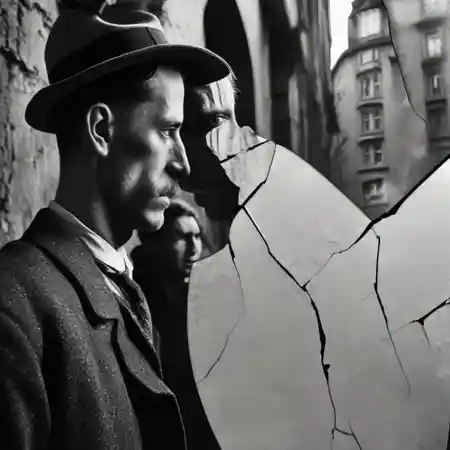
We are currently living through a surplus of the social parasite. From the salt-licked hallways of Saltburn to the high-stakes fashion fraud of Inventing Anna, modern audiences are obsessed with the interloper—the person who walks into a room they don’t own and convinces everyone they belong there. But if you think the 'grifter' subgenre began with the Talented Mr. Ripley, you haven’t been looking deep enough into the nitrate fog. The true blueprint for the social parasite was etched into the flickering frames of the 1910s and 20s, an era where identity was as fluid as the chemical emulsions on the film strip.
Silent cinema didn't just depict class struggle; it treated class as a costume. It understood, perhaps better than we do today, that the difference between a princess and a clerk was often nothing more than a change of lighting and a well-timed lie. This wasn't just storytelling; it was a manual for survival in a world where the old hierarchies were rotting and the new ones were yet to be defined. The cult of the identity thief was born here, in the shadows of the Weimar Republic and the pre-code alleys of New York.
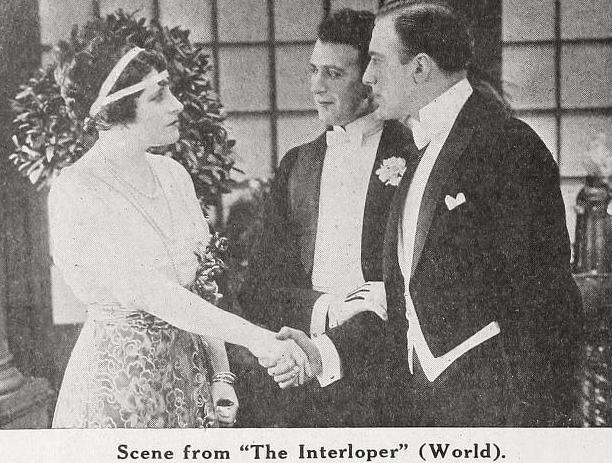
Take The Ghost Girl (1919). The premise is a masterclass in the kind of 'identity play' that would eventually become a staple of cult cinema. A girl expelled from school decides to pose as a 'slum girl.' She is taken in by a snobbish society woman who wants to 'save' her. The cruelty of the film lies in the realization that the upper class only cares about the lower class when they can treat them as a project, a doll to be dressed and undressed. It’s a voyeuristic exercise that mirrors our own modern obsession with 'ruin porn' and the aestheticization of poverty.
What makes The Ghost Girl feel like a cult artifact is its cynicism. There is no genuine empathy here—only the thrill of the masquerade. This film suggests that social identity is a game of masks, and once you realize the mask can be swapped, the entire structure of society begins to crumble. It predates the transgressive energy of 1970s underground cinema by fifty years, presenting a world where the 'truth' of a person is whatever they can convince a stranger to believe at three in the afternoon.
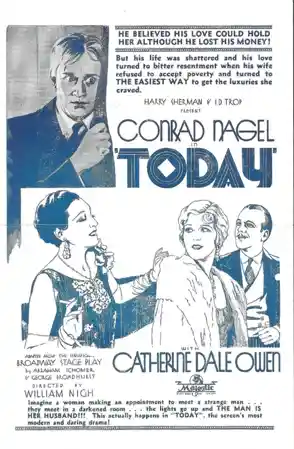
The silent era understood that identity was a performance long before the internet made it our primary occupation. Every frame was a negotiation of the self.
Then there is the lighter, though no less disturbing, Her Grace Commands (1929). On the surface, it’s a comedy of errors: a princess incognito falling for a lieutenant who is pretending to be a delicatessen clerk. But look closer at the visual choices. The lieutenant’s 'clerk' persona is performed with a specific kind of exaggerated humility that mocks the very working class it seeks to emulate. It’s a romantic fraud that works because both parties are lying about their station.
This is where I take my first stand: Incognito romances are fundamentally a form of psychological violence. They aren't 'cute' misunderstandings; they are experiments in power. By pretending to be a clerk, the lieutenant is testing whether he can be loved without his title, but he is doing so from a position of absolute safety. He can shed the 'clerk' skin whenever it becomes inconvenient. This trope of the high-born 'slumming it' for love would later mutate into the more sinister cult obsession with the wealthy predator who adopts the aesthetic of the fringe to hunt for new sensations.
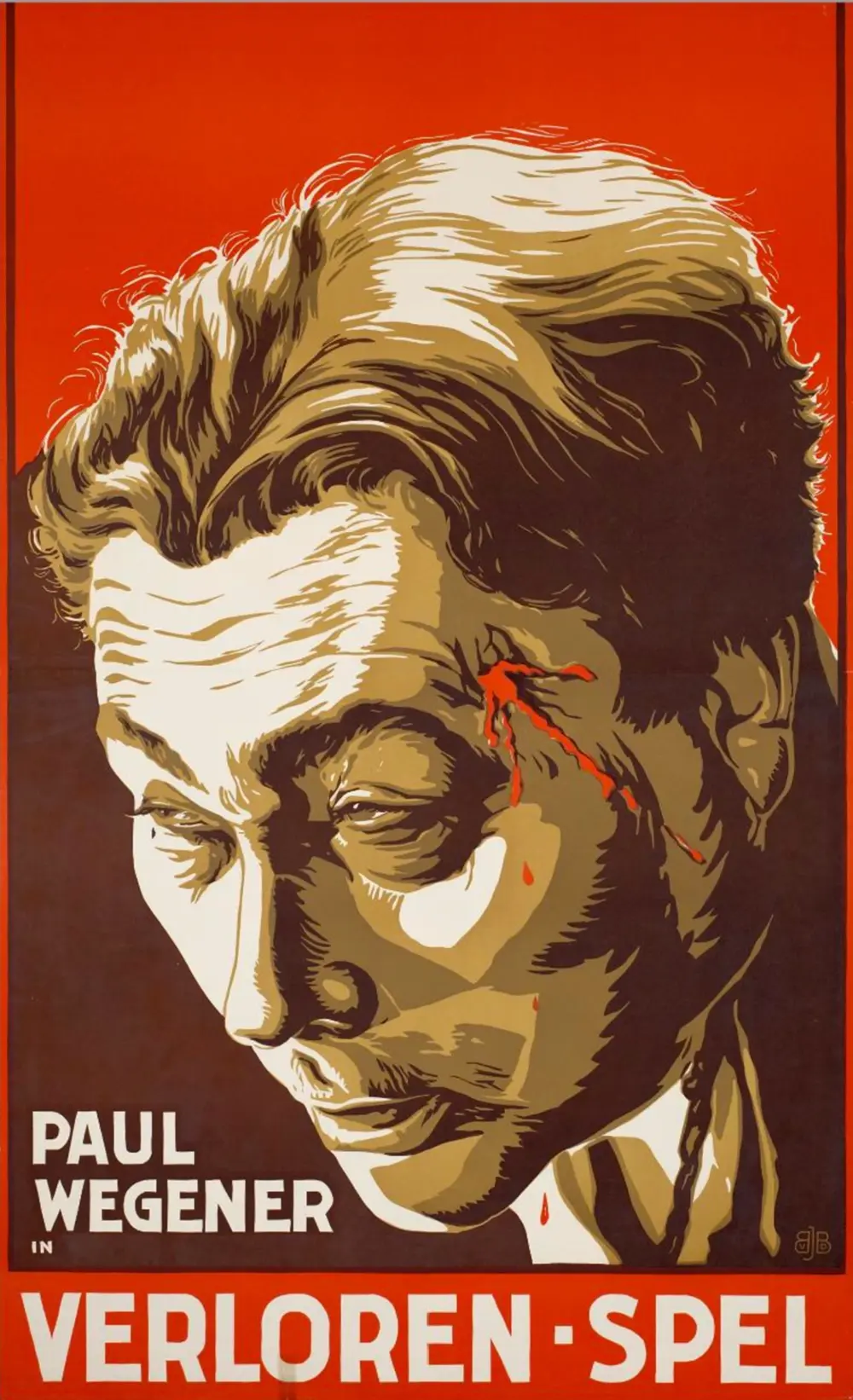
If Her Grace Commands is the light side of the coin, Batalion (1927) is the jagged, rusted edge. Dr. Frantisek Uher is a respected pillar of Prague society who discovers his wife’s infidelity and simply... disappears. He doesn't just leave; he discards his identity and becomes a fixture of 'The Batalion,' a notorious dive for the dispossessed. This isn't a temporary masquerade; it’s a total annihilation of the self.
The visual shift in Batalion is staggering. We move from the sterile, well-lit rooms of the medical elite to the smoky, claustrophobic shadows of the underworld. The camera lingers on the faces of the 'broken'—men and women whose identities have been erased by poverty and alcohol. Uher’s descent is portrayed not as a tragedy, but as a grim homecoming. He is the original anti-hero of the 'falling man' cult, the spiritual father to characters like William Foster in Falling Down or the doomed protagonists of 1940s noir.
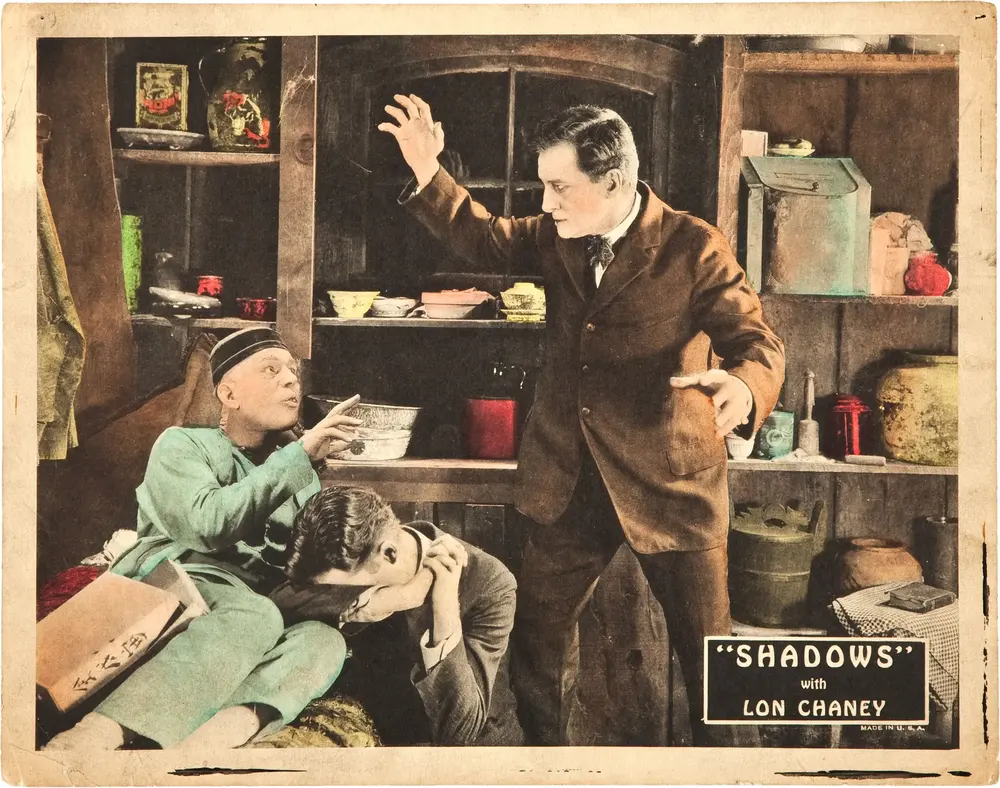
Perhaps the most 'cult' of all these identity-theft explorations is The Last Moment (1928). A man drowns himself, and as he dies, we see the crucial incidents of his life. This is where identity becomes truly fragmented. We don't see a linear story; we see a collage of failures. The man is a failed actor, a failed husband, a failed son. He is a man who tried on many hats and found none of them fit.
This film is a direct ancestor to the surrealist cult tradition. It suggests that our identities are nothing more than the sum of our regrets. It’s a harsh, uncompromising vision that refuses to give the audience a 'real' person to cling to. We only ever see the man through the lens of his own self-loathing.
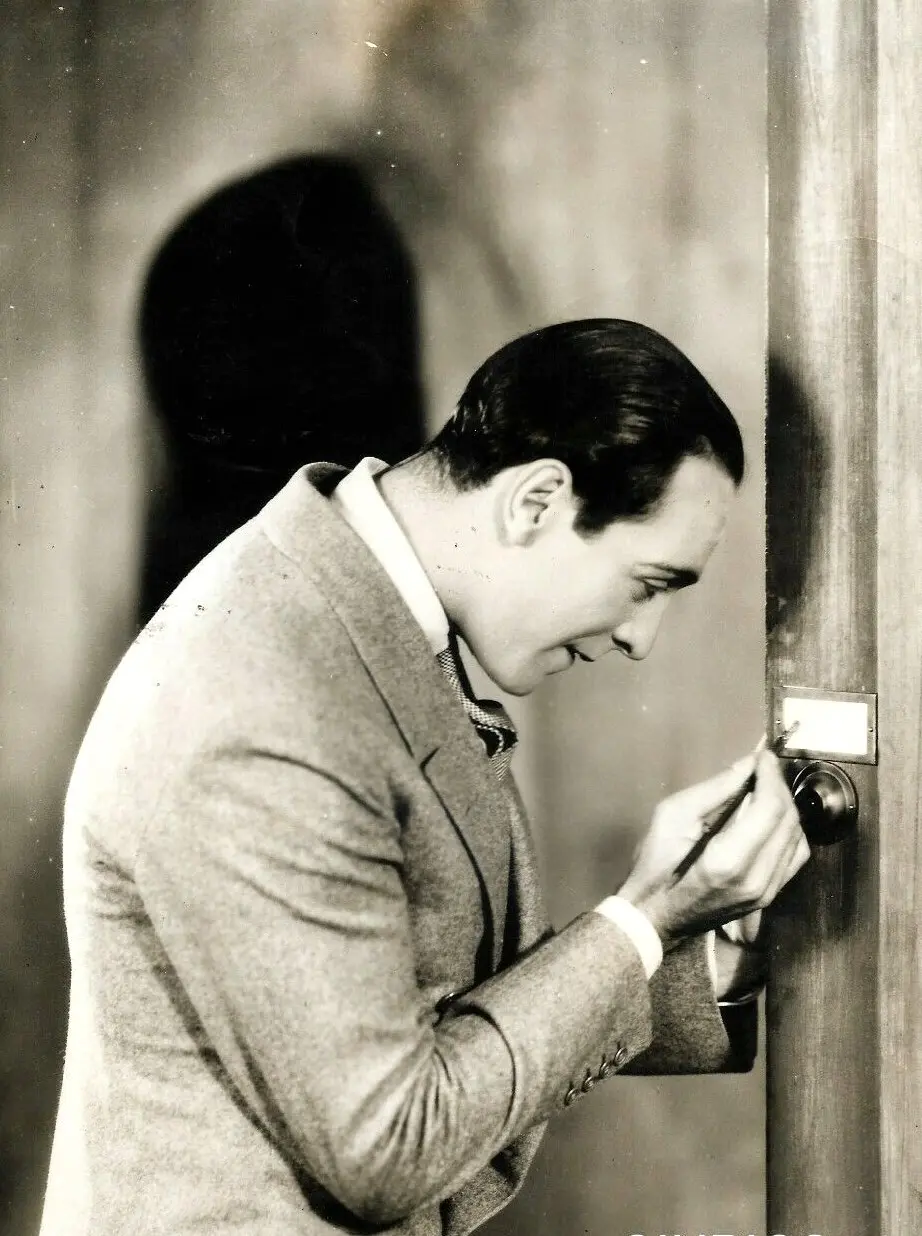
Identity theft in silent cinema wasn't always personal; often, it was systemic. In Exclusive Rights (1926), we see the 'invisible government'—a boss of crooks and politicians who control the city from the shadows. Here, the 'grift' is the entire political apparatus. The character of Al Morris isn't just a criminal; he is a performer who plays the part of a legitimate power broker while maintaining a hidden empire.
This theme is echoed in The Midnight Patrol, where Wu Fang rules the Chinese underworld with the help of a crooked politician. These films presented a world where the 'official' version of reality was a lie. This is the root of the 'conspiracy cult'—the belief that there is a secret world behind the one we see, populated by people who have stolen the positions of authority they occupy. It’s a paranoid, deeply American obsession that would eventually blossom into the 'Deep State' thrillers of the 70s and 80s.
My second debatable opinion: Most modern political thrillers are cowardly compared to these silent-era 'underworld' films. Today, we need our villains to have complex backstories and relatable motivations. In 1926, the villain was simply a man with a hidden face and a hand in everyone’s pocket. There was a raw, primal honesty to the way these films depicted corruption as a totalizing, identity-erasing force.
We cannot talk about identity theft without mentioning René Clair’s Le Voyage imaginaire (1926). A shy bank clerk is led into a subterranean world where people transform into animals and waxworks come to life. This is the ultimate conclusion of the grifter’s logic: if identity is a performance, then eventually the flesh itself will become plastic. The clerk’s journey is a dream, but it feels like a fevered premonition of the body horror genre.
The scenes in the wax museum are particularly haunting. The frozen, lifeless faces of the 'great men' of history are presented as just another set of masks that can be donned or discarded. It’s a direct critique of the rigidity of the French class system, but it also taps into a deeper, more existential fear: that underneath the mask, there is nothing at all. This 'nothingness' is the true heart of the social parasite cult. The interloper isn't just someone who wants your life; they are someone who has no life of their own.
When we watch a modern grifter film, we are often looking for a 'reason' why the protagonist does what they do. We want a childhood trauma or a social grievance. But the silent era offered us something more terrifying: the grifter as a force of nature, a glitch in the social machine. Films like The Ghost Girl and Batalion didn't need to explain the 'why.' They were content to show us the 'how'—the subtle shifts in posture, the strategic use of silence, and the ruthless exploitation of the other person’s desire to believe a lie.
The silent era's obsession with stolen identity remains the most honest period in film history. It didn't try to hide the gears of the grift behind 'compelling narratives' or 'visually stunning' distractions. It gave us the nitrate reality of the mask, and it dared us to look behind it. If you want to understand why we are still obsessed with the social parasite today, you need to turn off the sound and watch the shadows. The grifter has been here all along, and they’ve already stolen your seat in the theater.