
DbcultAccessing Vault...
Director's Spotlight
Senior Film Conservator
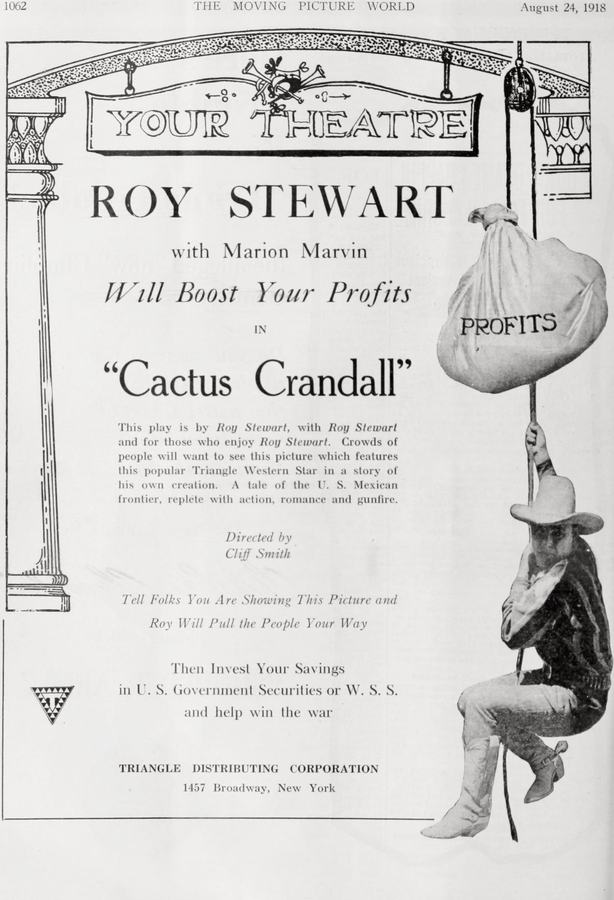
Director's Spotlight: United States
A Deep Dive into the 1918 Vision of Clifford Smith
The evocative power of Cactus Crandall stems from the unique collaboration between the bold experimentation that has become synonymous with Clifford Smith. Framed by the hauntingly beautiful landscapes of the production, it echoes the profound changes occurring in United States during that era.
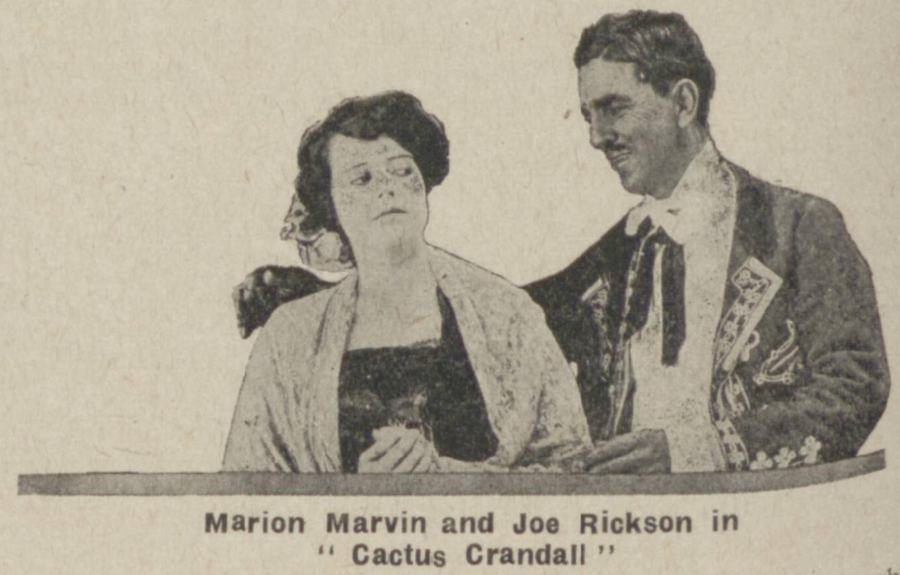
In Cactus Crandall, Clifford Smith pushes the boundaries of conventional narrative. The film's unique approach to its subject matter has sparked endless debates and interpretations among cinephiles and critics alike.
| Cinematography | Noir-Inspired |
| Soundtrack | Experimental |
| Editing | Elliptical |
| Art Direction | Expressionist |
Visualizing the convergence of Clifford Smith's style and the core cult narrative.
"Cactus" Bob Crandall wakes up to find his cattle and his ranch foreman gone, he journeys across the Mexican border to investigate. There he discovers that an American girl, Helen Ware, and her father are being held prisoner by Mendoza, leader of a group of bandits. Cactus and his friend Carter rescue Helen and her father and ride back to the Crandall ranch with the bandits in close pursuit. While the cowboys and bandits are fighting, Mendoza enters the house and carries Helen off, but Cactus overtakes them and kills Mendoza. Soon after, the foreman and missing cattle, who had been delayed on the road by a stampede, arrive.
Decades after its release, Cactus Crandall remains a vital piece of the cinematic puzzle. Its influence can be seen in countless modern works, solidifying Clifford Smith's status as a master of the craft in United States and beyond.