
DbcultAccessing Vault...
Director's Spotlight
Senior Film Conservator
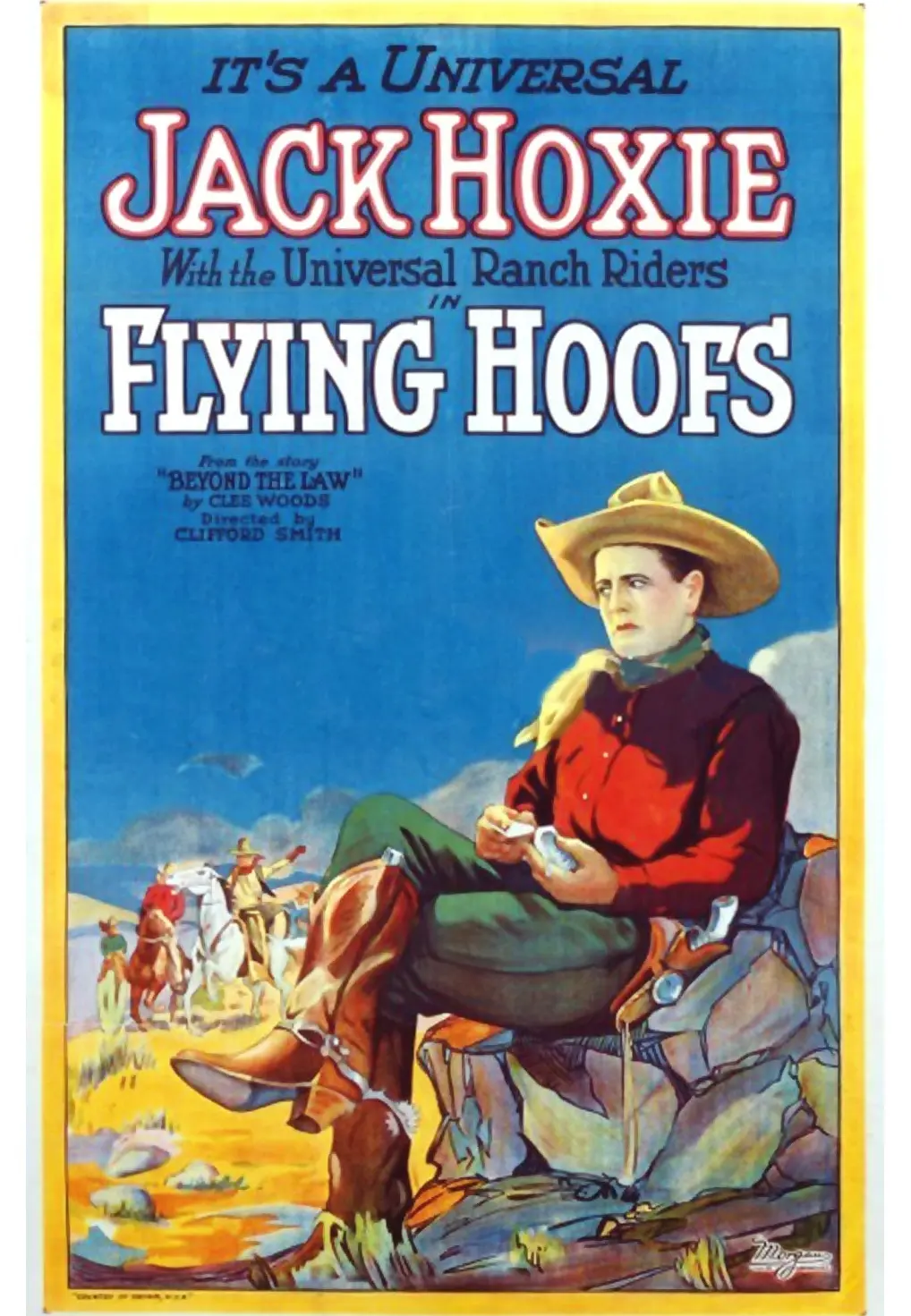
Director's Spotlight: United States
A Deep Dive into the 1925 Vision of Clifford Smith
Analyzing Flying Hoofs (1925) requires a deep dive into the unique directorial voice that Clifford Smith brought to the screen. By challenging the status quo of 1925 cinema, it continues to spark endless debates among critics and cinephiles alike.
In Flying Hoofs, Clifford Smith pushes the boundaries of conventional narrative. The film's unique approach to its subject matter has sparked endless debates and interpretations among cinephiles and critics alike.
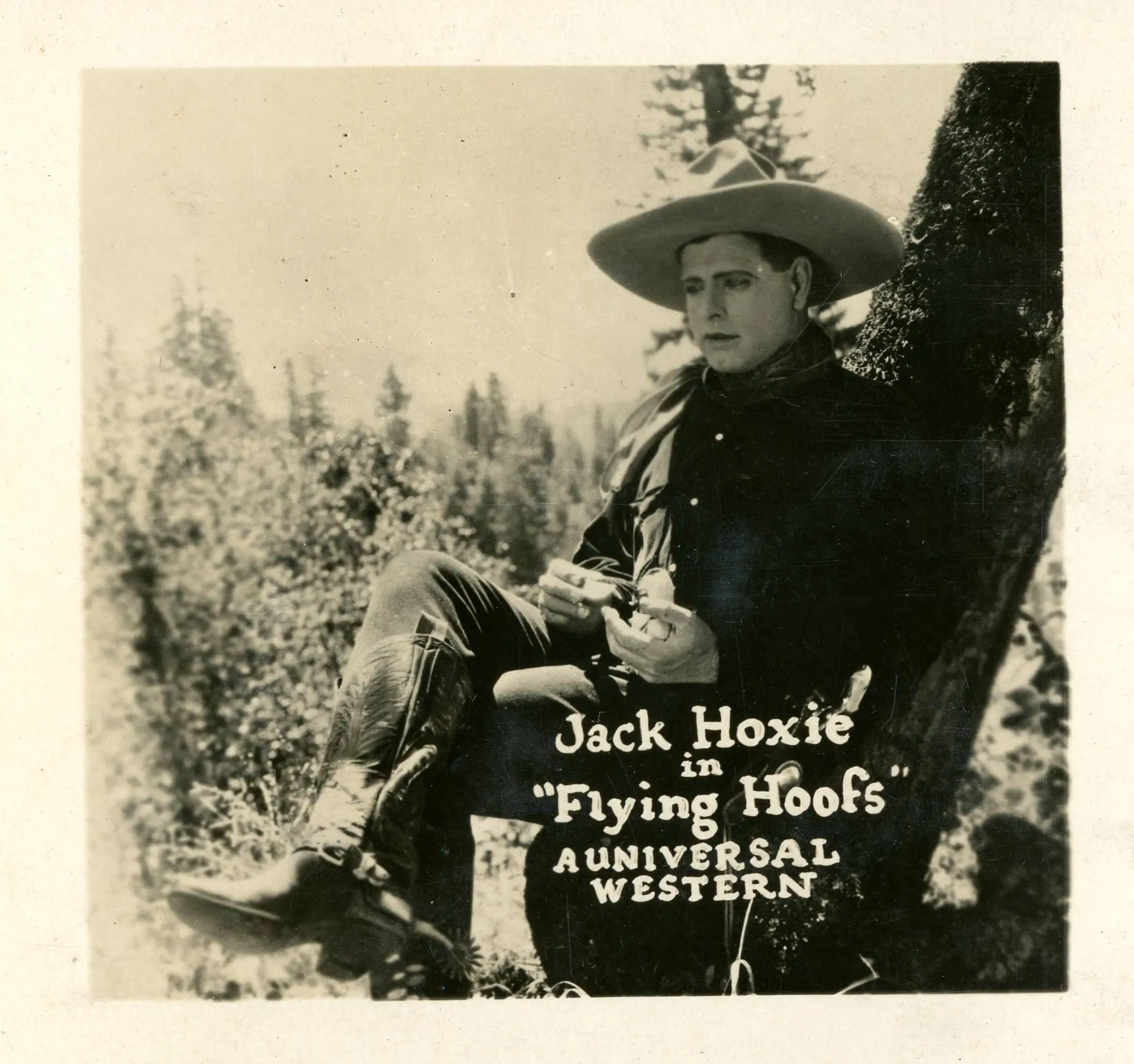
To fully appreciate Flying Hoofs, one must consider the cinematic climate of 1925. During this period, United States was undergoing significant artistic shifts, and Clifford Smith was at the forefront of this Drama movement, often challenging established norms.
| Cinematography | Handheld |
| Soundtrack | Minimalist |
| Editing | Slow-Burn |
| Art Direction | Brutalist |
Visualizing the convergence of Clifford Smith's style and the core Drama narrative.
Sheriff Frank Moody is on the trail of a bandit known as The Raven. However, the leads he develop indicate that The Raven is actually his younger brother Henry. Matters are further complicated when Henry threatens the town's banker, who has just foreclosed on the Moody family ranch, and when the bank is robbed soon thereafter, suspicion falls on Henry, who is soon arrested, tried and sentenced to hang. Sheriff Frank, though, still isn't convinced of his brother's guilt and is determined not to let him hang, no matter what it takes.
Decades after its release, Flying Hoofs remains a vital piece of the cinematic puzzle. Its influence can be seen in countless modern works, solidifying Clifford Smith's status as a master of the craft in United States and beyond.