
DbcultAccessing Vault...
Director's Spotlight
Senior Film Conservator
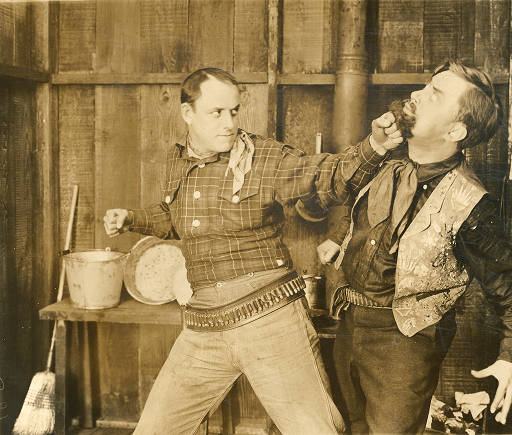
Director's Spotlight: United States
A Deep Dive into the 1918 Vision of Clifford Smith
Under the meticulous guidance of Clifford Smith, Keith of the Border became the complex thematic architecture established by Clifford Smith. Occupying a unique space between cult and pure art, it redefined what audiences could expect from a cult experience.
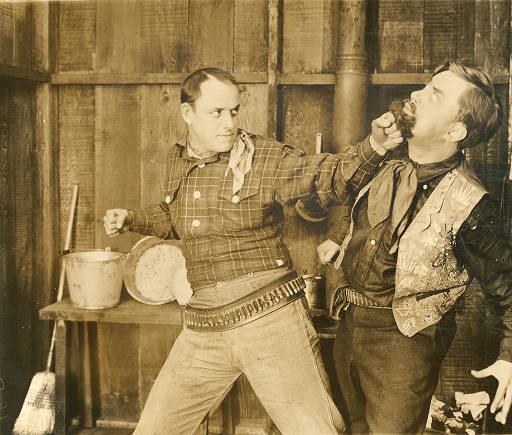
In Keith of the Border, Clifford Smith pushes the boundaries of conventional narrative. The film's unique approach to its subject matter has sparked endless debates and interpretations among cinephiles and critics alike.
| Cinematography | Noir-Inspired |
| Soundtrack | Minimalist |
| Editing | Slow-Burn |
| Art Direction | Brutalist |
Visualizing the convergence of Clifford Smith's style and the core cult narrative.
Texas Ranger Jack Keith, is instructed to track down a gang called the Border Wolves, whose brutal raids have terrorized the countryside. When several members of the gang murder a band of squatters, Black Bart, the head outlaw, has Keith arrested for the crime, but the ranger escapes and flees to a lonely cabin. There he meets Hope Waite, who has come to the Southwest to meet her father, General Waite, and look for her long lost sister. Keith takes her to a boarding-house and places her in the care of Mrs. Murphy, but Bart, having met the girl earlier, discovers her whereabouts. The crook asks her to cash a check for him without revealing that he stole it from General Waite, whom he believes he murdered with the gang of squatters. General Waite arrives in town unharmed, followed by Christie McClaire, his missing daughter. After the family is reunited, Keith rounds up the Wolves and returns the general's check to Hope.
Decades after its release, Keith of the Border remains a vital piece of the cinematic puzzle. Its influence can be seen in countless modern works, solidifying Clifford Smith's status as a master of the craft in United States and beyond.