
DbcultAccessing Vault...
Director's Spotlight
Senior Film Conservator
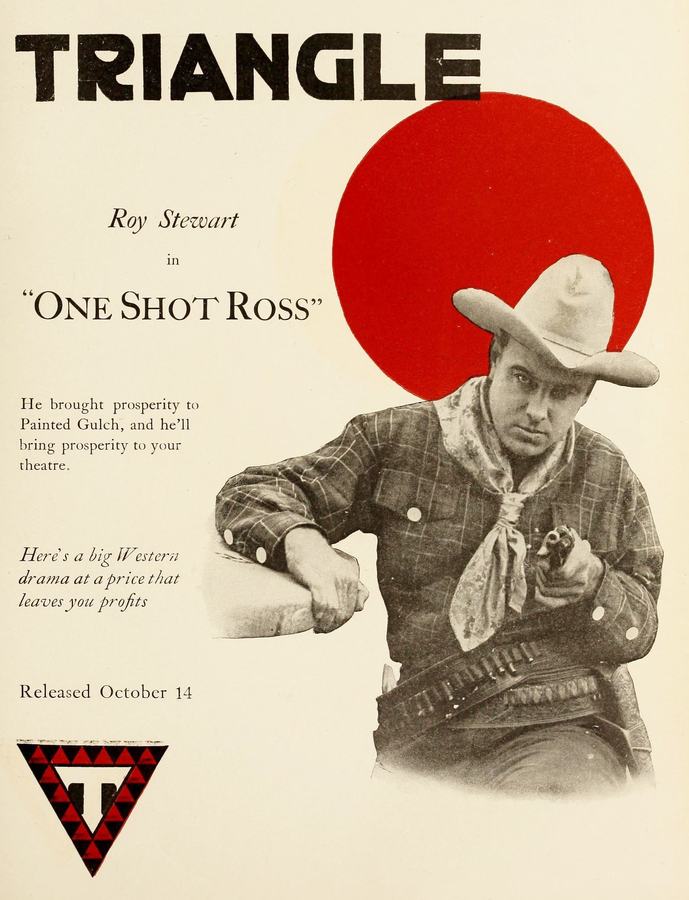
Director's Spotlight: United States
A Deep Dive into the 1917 Vision of Clifford Smith
The evocative power of One Shot Ross stems from the unique collaboration between the bold experimentation that has become synonymous with Clifford Smith. Framed by the hauntingly beautiful landscapes of the production, it echoes the profound changes occurring in United States during that era.
In One Shot Ross, Clifford Smith pushes the boundaries of conventional narrative. The film's unique approach to its subject matter has sparked endless debates and interpretations among cinephiles and critics alike.
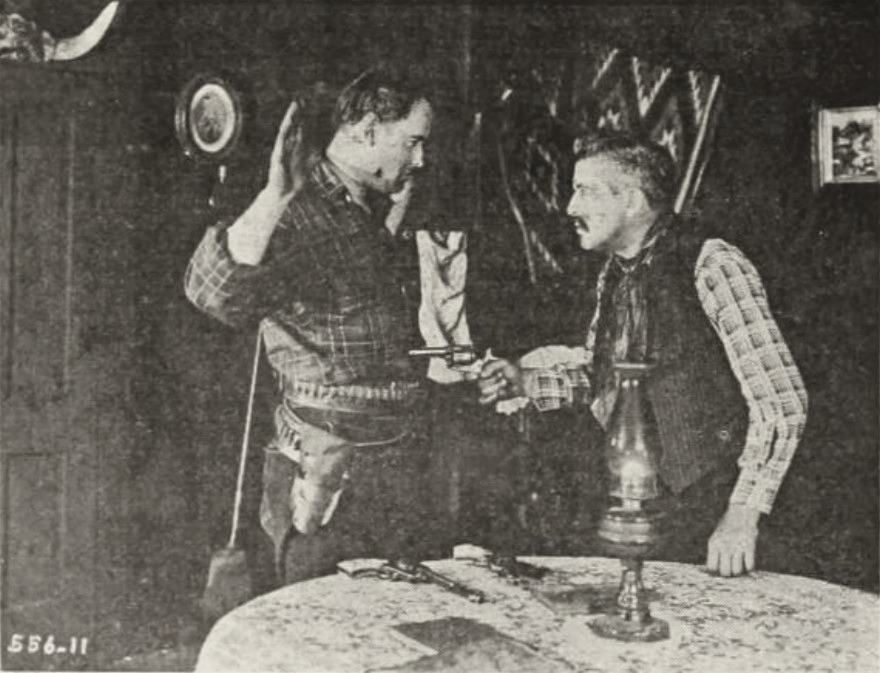
The visual language of One Shot Ross is defined by its use of shadows and framing, a hallmark of Clifford Smith's style. By utilizing a 1917-era palette, the film creates an immersive experience that perfectly complements its cult themes.
| Cinematography | Static |
| Soundtrack | Diegetic |
| Editing | Elliptical |
| Art Direction | Expressionist |
Visualizing the convergence of Clifford Smith's style and the core cult narrative.
"One Shot" Ross, who has brought law and order to the town of Painted Gulch, decides to hang up his six-shooters when he sees the daughter of one of his victims sobbing over her dead father's body. While traveling East, Ross's stagecoach is held up and Ross, knocked unconscious, is taken to a nearby cabin owned by the Sheridans. After Mr. Sheridan is killed when he inadvertently stumbles upon Jim Butler and his gang dividing up the spoils from the stage robbery, Ross takes pity on Nan, the old man's daughter, and decides to bring the outlaws to justice. Feigning feeble-mindedness, Ross obtains a job on Butler's ranch and uncovers evidence which proves that Butler is the leader of the outlaws. Heading the posse, Ross captures Butler's gang and then rides off to the Sheridan cabin where, in a shootout, he rescues Nan from Butler.
Decades after its release, One Shot Ross remains a vital piece of the cinematic puzzle. Its influence can be seen in countless modern works, solidifying Clifford Smith's status as a master of the craft in United States and beyond.