
DbcultAccessing Vault...
Director's Spotlight
Senior Film Conservator
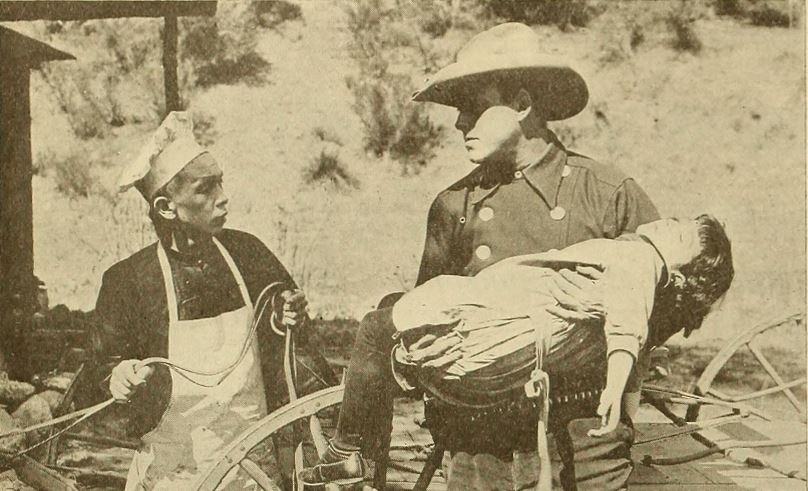
Director's Spotlight: United States
A Deep Dive into the 1918 Vision of Clifford Smith
The evocative power of Paying His Debt stems from the unique collaboration between the subversive storytelling techniques employed by Clifford Smith in 1918. Synthesizing the best elements of United States and international cinema, it reminds us of the fragility and beauty of the 1918s.
In Paying His Debt, Clifford Smith pushes the boundaries of conventional narrative. The film's unique approach to its subject matter has sparked endless debates and interpretations among cinephiles and critics alike.
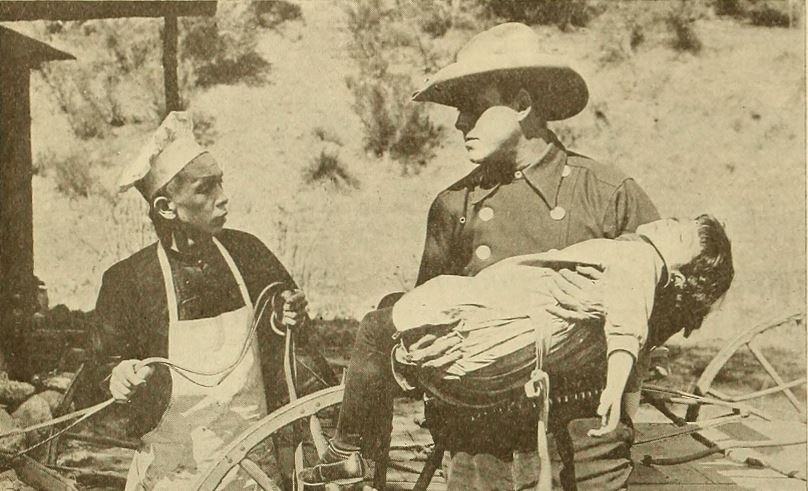
To fully appreciate Paying His Debt, one must consider the cinematic climate of 1918. During this period, United States was undergoing significant artistic shifts, and Clifford Smith was at the forefront of this cult movement, often challenging established norms.
| Cinematography | High-Contrast |
| Soundtrack | Diegetic |
| Editing | Elliptical |
| Art Direction | Expressionist |
Visualizing the convergence of Clifford Smith's style and the core cult narrative.
Frank Borden, who is in poor health, goes West penniless. He faints from exhaustion and is found by Pete Morton, who gives him aid. In shaving off his mustache, Morton is startled to discover that he is Borden's double. He decides to use Borden in his plundering expeditions. Morton holds up a stagecoach while Borden, whom the townspeople think is Morton, stays in town. But the undoing of the bandit is brought about when the father of Nan Christy, who befriended Borden upon his arrival in the west, is shot, and Morton confesses. The picture ends with Nan and Borden plighting their troth.
Decades after its release, Paying His Debt remains a vital piece of the cinematic puzzle. Its influence can be seen in countless modern works, solidifying Clifford Smith's status as a master of the craft in United States and beyond.