
DbcultAccessing Vault...
Director's Spotlight
Senior Film Conservator
Director's Spotlight: United States
A Deep Dive into the 1917 Vision of Clifford Smith
Few works in United States cinema carry the same weight as The Boss of the Lazy Y, especially regarding the technical innovation that Clifford Smith introduced to the cult format. Subverting the expectations of the typical 1917 audience, it bridges the gap between traditional cult and contemporary vision.
In The Boss of the Lazy Y, Clifford Smith pushes the boundaries of conventional narrative. The film's unique approach to its subject matter has sparked endless debates and interpretations among cinephiles and critics alike.
While deeply rooted in United States, The Boss of the Lazy Y has achieved a global reach, influencing directors from various backgrounds. Its ability to translate cult tropes into a universal cinematic language is why it remains a cult staple decades after its 1917 release.
| Cinematography | Handheld |
| Soundtrack | Diegetic |
| Editing | Rhythmic |
| Art Direction | Naturalist |
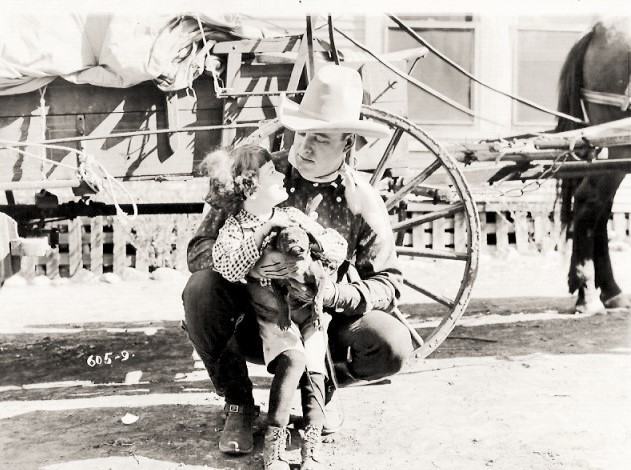
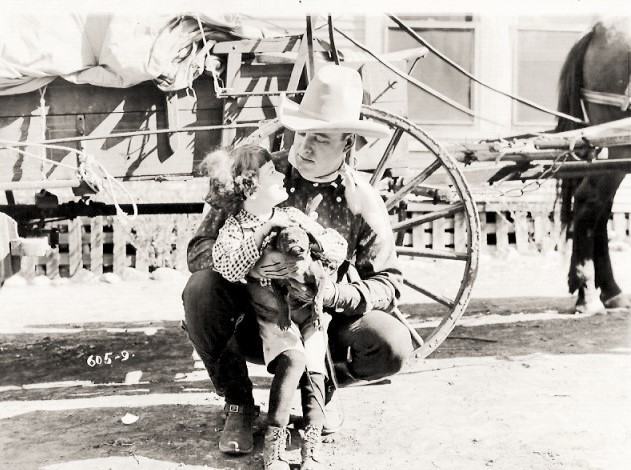
Visualizing the convergence of Clifford Smith's style and the core cult narrative.
After a serious argument with his father, Calumet Marston drifts around the west for several years. He returns to his home, the Lazy Y Ranch, after his parents are killed by a pair of vicious brothers, Tom and Neal Taggart. Before his death Marston's father had appointed pretty young Betty Clayton as ranch manager, and now the Taggart brothers are determined to take over the ranch, no matter who they have to kill to get it.
Decades after its release, The Boss of the Lazy Y remains a vital piece of the cinematic puzzle. Its influence can be seen in countless modern works, solidifying Clifford Smith's status as a master of the craft in United States and beyond.