
DbcultAccessing Vault...
Director's Spotlight
Senior Film Conservator
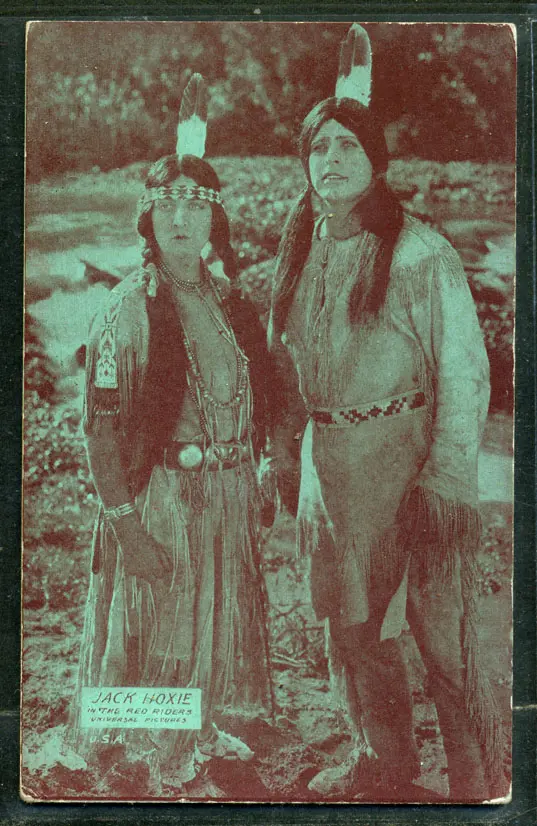
Director's Spotlight: United States
A Deep Dive into the 1925 Vision of Clifford Smith
Deciphering the layers of The Red Rider (1925) reveals a monumental shift in Western filmmaking spearheaded by Clifford Smith. With its avant-garde structure and atmospheric tension, offering layers of thematic complexity that demand repeated viewing.
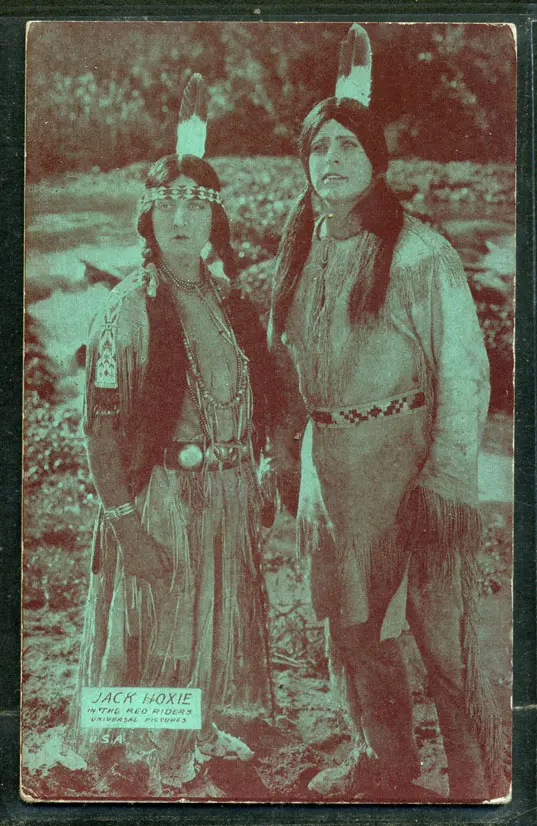
In The Red Rider, Clifford Smith pushes the boundaries of conventional narrative. The film's unique approach to its subject matter has sparked endless debates and interpretations among cinephiles and critics alike.
| Cinematography | Handheld |
| Soundtrack | Experimental |
| Editing | Elliptical |
| Art Direction | Expressionist |
Visualizing the convergence of Clifford Smith's style and the core Western narrative.
White Elk, a light-skinned Indian chief, incurs the enmity of Chief Black Panther, whom he prevents from looting a westbound wagon train. Although White Elk is betrothed to an Indian princess, he falls in love with Lucille Cavanagh, a white woman from the East. After her father, John Cavanagh, tricks White Elk into signing away the lands of his tribe, the young chief is condemned to be burned alive by Black Panther. However, a sudden rainstorm douses the fire and enables White Elk to escape. He soon learns that he is actually a white man, adopted by the tribe as an infant following the disappearance of his parents. Meanwhile, Lucille is abducted by Black Panther, strapped into a canoe, and set adrift above a waterfall. When White Elk rescues Lucille, the princess takes her place, offering herself as a sacrifice. Free to marry Lucille, White Elk also discovers that his birth father is the old scout leading the wagon train.
Decades after its release, The Red Rider remains a vital piece of the cinematic puzzle. Its influence can be seen in countless modern works, solidifying Clifford Smith's status as a master of the craft in United States and beyond.