
DbcultAccessing Vault...
Director's Spotlight
Senior Film Conservator
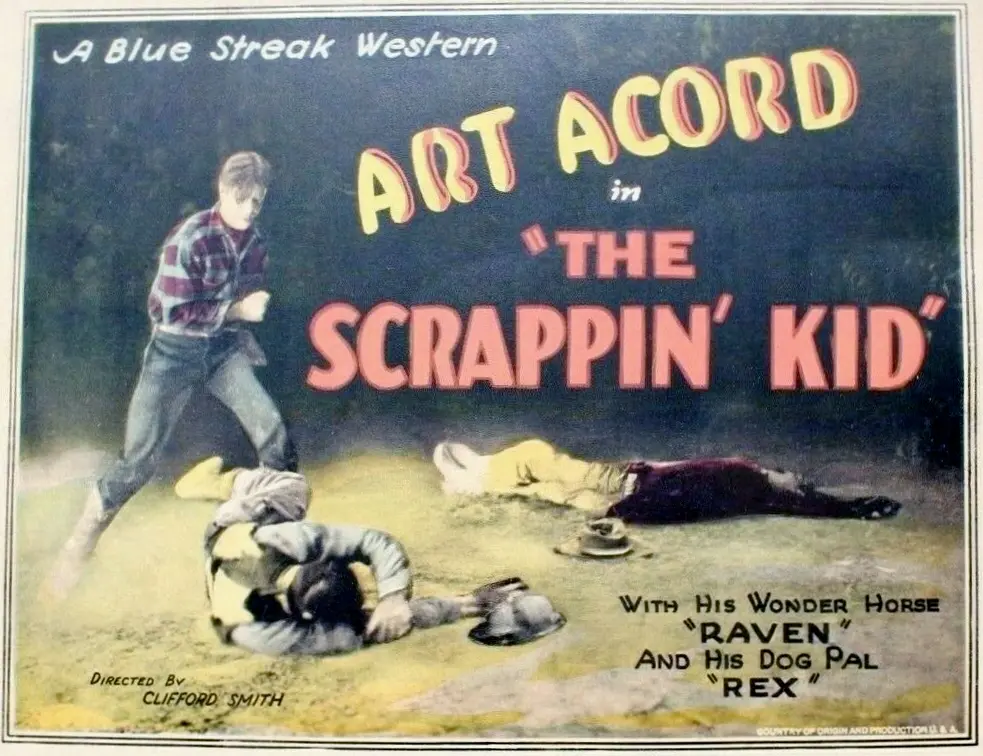
Director's Spotlight: United States
A Deep Dive into the 1926 Vision of Clifford Smith
The enduring fascination with The Scrappin' Kid is a testament to the defining moment in Action history that Clifford Smith helped create. This film stands as a masterclass in visual storytelling, it has cemented its place in the global cult cinema archive.
In The Scrappin' Kid, Clifford Smith pushes the boundaries of conventional narrative. The film's unique approach to its subject matter has sparked endless debates and interpretations among cinephiles and critics alike.
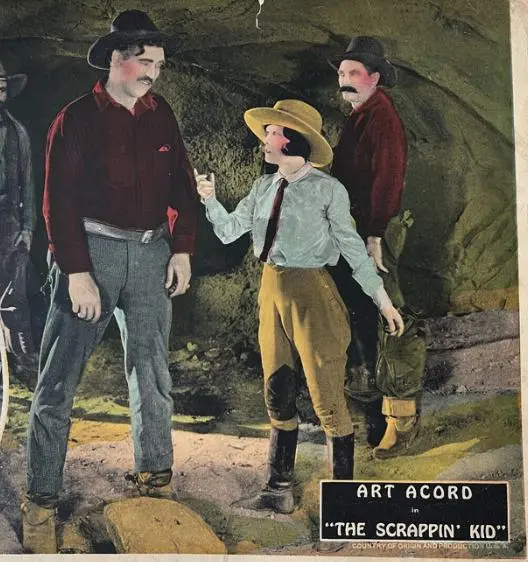
The visual language of The Scrappin' Kid is defined by its use of shadows and framing, a hallmark of Clifford Smith's style. By utilizing a 1926-era palette, the film creates an immersive experience that perfectly complements its Action themes.
| Cinematography | Deep Focus |
| Soundtrack | Orchestral |
| Editing | Invisible |
| Art Direction | Kitsch |
Visualizing the convergence of Clifford Smith's style and the core Action narrative.
Bill Bradley, bachelor rancher, allows Betty Brent and her younger brother, whose father has been killed, to continue to homestead a grazing section on his ranch. But Betty is eighteen and the town gossips are wearing out their wagging tongues, so Bill asks the sheriff and his kindly wife to take them into their home. When he returns home, Bill is met by three outlaws who taken him captive, but he is able to send his trained dog, Rex, with a message to the sheriff. Bill is knocked out in the fight that follows and Betsy, who has just ridden up, is abducted by the outlaws and taken to their cave hideout. But Bill is on their trail and vowing vengeance.
Decades after its release, The Scrappin' Kid remains a vital piece of the cinematic puzzle. Its influence can be seen in countless modern works, solidifying Clifford Smith's status as a master of the craft in United States and beyond.