
DbcultAccessing Vault...
Director's Spotlight
Senior Film Conservator
Director's Spotlight: United States
A Deep Dive into the 1925 Vision of Clifford Smith
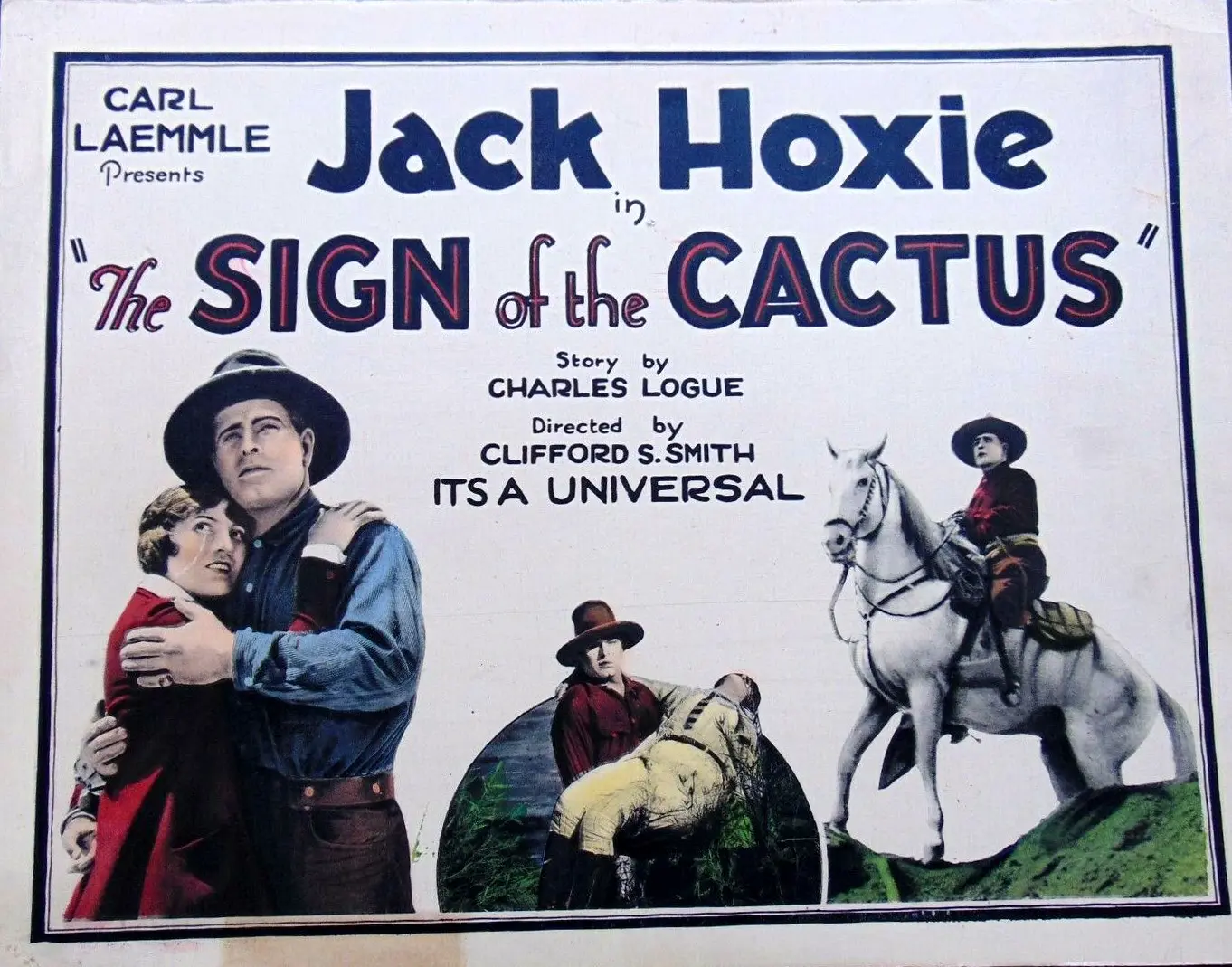
The artistic breakthrough represented by The Sign of the Cactus in 1925 highlights the uncompromising vision of Clifford Smith that defines this Western masterpiece. In the context of United States's rich cinematic history, it captures a specific kind of cinematic magic that is rarely replicated.
In The Sign of the Cactus, Clifford Smith pushes the boundaries of conventional narrative. The film's unique approach to its subject matter has sparked endless debates and interpretations among cinephiles and critics alike.
| Cinematography | Noir-Inspired |
| Soundtrack | Orchestral |
| Editing | Slow-Burn |
| Art Direction | Brutalist |
Visualizing the convergence of Clifford Smith's style and the core Western narrative.
A mysterious rider, known as Whitehorse Cactus, steals from the dishonest water company in order to help ranchers who have been cheated out of their water rights by its crooked agents. This elusive champion is, in actuality, Jack Hayes, whose vendetta began when his father was brutally slain by one of the hired gunmen of John Henderton, the owner of the water company. Riding in the hills one day, Jack stops the runaway horse of Henderton's daughter, Belle, who was his childhood sweetheart. Jack kills one of Henderton's hired gunmen, is tried and convicted, but escapes with the help of Panhandle George. Henderton is shot, and Jack is accused of the murder. Belle captures him, only to be told by the sheriff that she has the wrong man. Belle and Jack are reconciled, and soon they get married.
Decades after its release, The Sign of the Cactus remains a vital piece of the cinematic puzzle. Its influence can be seen in countless modern works, solidifying Clifford Smith's status as a master of the craft in United States and beyond.