
DbcultAccessing Vault...
Director's Spotlight
Senior Film Conservator
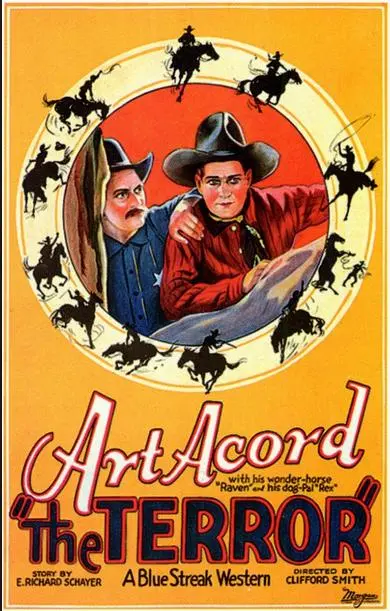
Director's Spotlight: United States
A Deep Dive into the 1926 Vision of Clifford Smith
Analyzing The Terror (1926) requires a deep dive into the defining moment in Drama history that Clifford Smith helped create. Defining a new era of United States artistic expression, it transcends regional boundaries to tell a universal story.
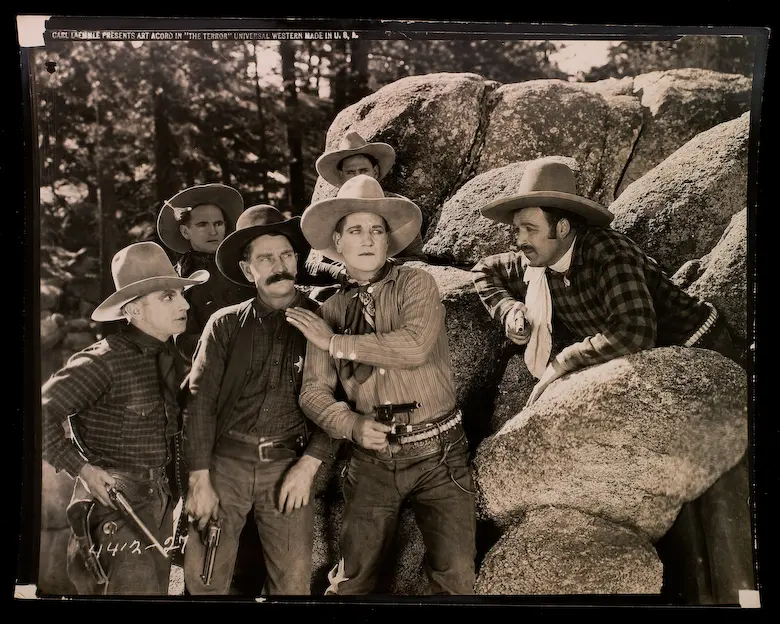
In The Terror, Clifford Smith pushes the boundaries of conventional narrative. The film's unique approach to its subject matter has sparked endless debates and interpretations among cinephiles and critics alike.
| Cinematography | Noir-Inspired |
| Soundtrack | Synth-Heavy |
| Editing | Disjunctive |
| Art Direction | Baroque |
Visualizing the convergence of Clifford Smith's style and the core Drama narrative.
Rancher Pop Morton and his daughter Molly are victims of Blair Hatley, (who is pursuing Molly and holds the mortgage on their ranch). Molly meets Art Downs, but she does not know that he is a Texas Ranger.. Art is mistaken by Steve Baird, (who is one of Blair Hatley's men), for "The Terror," a notorious Arizona bandit. Art goes along with it to go after the rustlers for Pop and Molly. He finds that Molly has been kidnapped by the rustlers. Art rescues Molly, but is then stopped along the trail by Hatley's brother. Molly is taken again by the rustlers. Later, Art returns to the Morton ranch with a posse. He rescues Pop Morton and Molly from the rustlers. He then discloses his true identity as a Texas Ranger and wins Molly's heart.
Decades after its release, The Terror remains a vital piece of the cinematic puzzle. Its influence can be seen in countless modern works, solidifying Clifford Smith's status as a master of the craft in United States and beyond.