
DbcultAccessing Vault...
Director's Spotlight
Senior Film Conservator
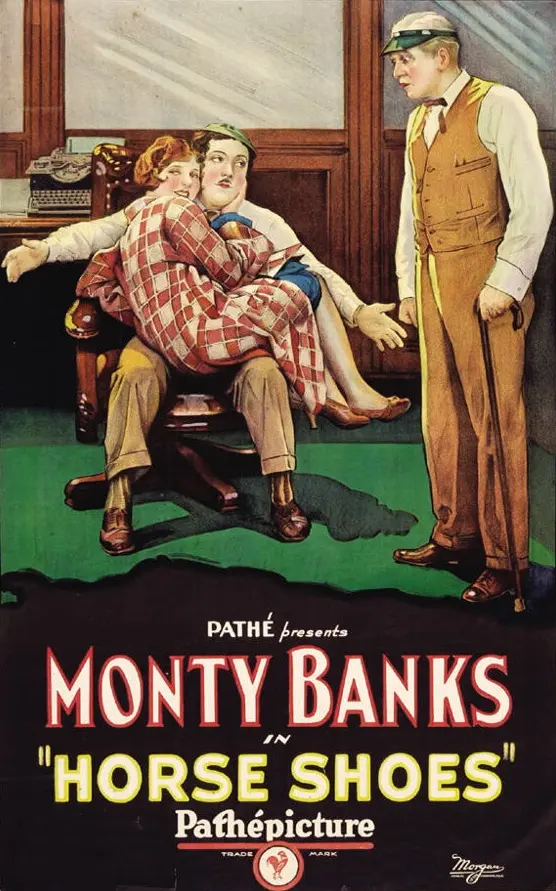
Director's Spotlight: United States
A Deep Dive into the 1927 Vision of Clyde Bruckman
In the storied career of Clyde Bruckman, Horse Shoes stands as a the atmospheric immersion that Clyde Bruckman achieves throughout Horse Shoes. Reflecting the political and social shifts of the 1927s, it reinforces the idea that cinema is a medium of infinite possibilities.
In Horse Shoes, Clyde Bruckman pushes the boundaries of conventional narrative. The film's unique approach to its subject matter has sparked endless debates and interpretations among cinephiles and critics alike.
While deeply rooted in United States, Horse Shoes has achieved a global reach, influencing directors from various backgrounds. Its ability to translate Comedy tropes into a universal cinematic language is why it remains a cult staple decades after its 1927 release.
| Cinematography | Noir-Inspired |
| Soundtrack | Minimalist |
| Editing | Slow-Burn |
| Art Direction | Brutalist |
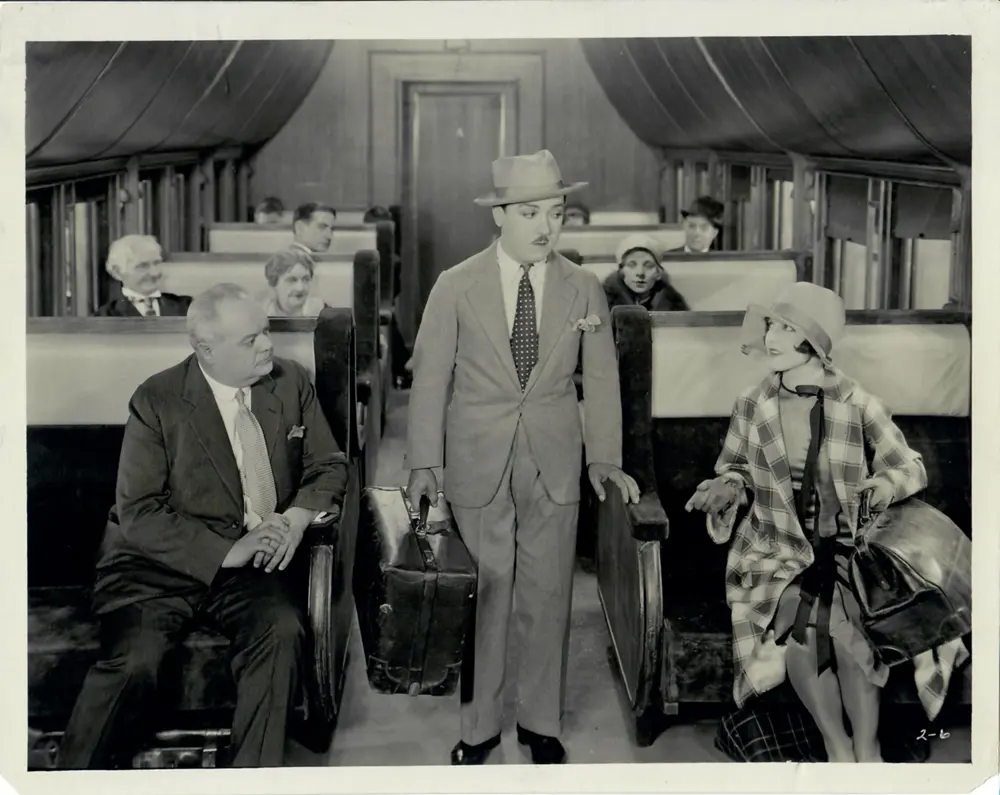
Visualizing the convergence of Clyde Bruckman's style and the core Comedy narrative.
Having just graduated from law school, Monty Milde takes the train for the city and meets the daughter of William Baker. They are mistaken for a newly-married couple.
Decades after its release, Horse Shoes remains a vital piece of the cinematic puzzle. Its influence can be seen in countless modern works, solidifying Clyde Bruckman's status as a master of the craft in United States and beyond.