
DbcultAccessing Vault...
Director's Spotlight
Senior Film Conservator
Director's Spotlight: United States
A Deep Dive into the 1918 Vision of Colin Campbell
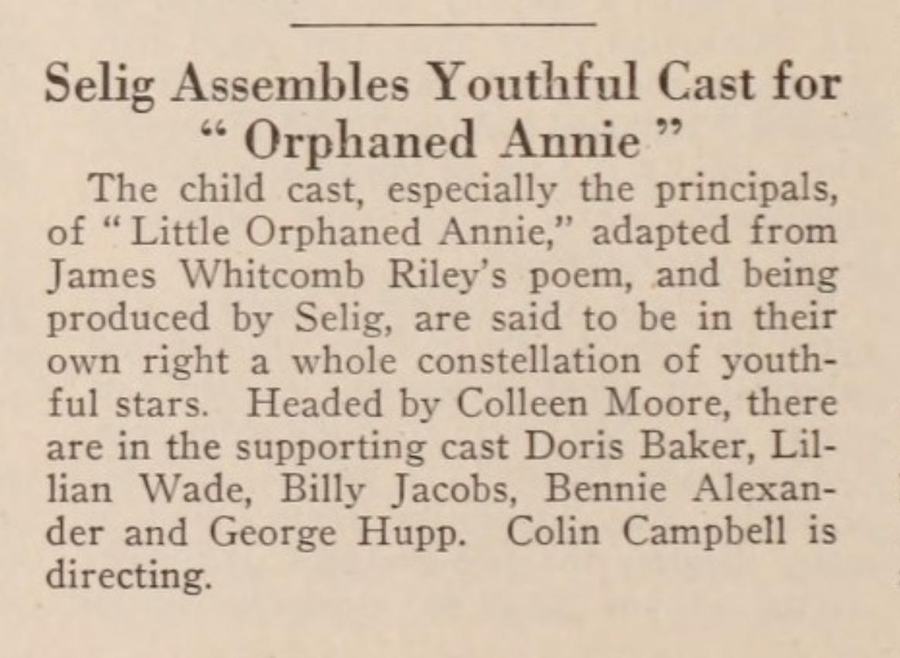
Peeling back the layers of Colin Campbell's Little Orphant Annie exposes the collaborative alchemy between Colin Campbell and the 1918 creative team. Anchored by a narrative that is both personal and universal, it reinforces the idea that cinema is a medium of infinite possibilities.
In Little Orphant Annie, Colin Campbell pushes the boundaries of conventional narrative. The film's unique approach to its subject matter has sparked endless debates and interpretations among cinephiles and critics alike.
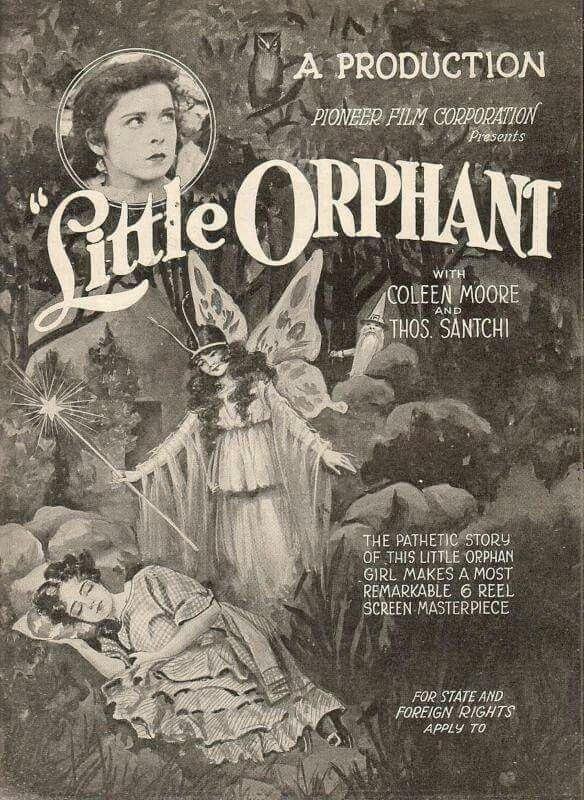
The visual language of Little Orphant Annie is defined by its use of shadows and framing, a hallmark of Colin Campbell's style. By utilizing a 1918-era palette, the film creates an immersive experience that perfectly complements its cult themes.
| Cinematography | Handheld |
| Soundtrack | Minimalist |
| Editing | Disjunctive |
| Art Direction | Baroque |
Visualizing the convergence of Colin Campbell's style and the core cult narrative.
Surrounded by a group of children, poet James Whitcomb Riley narrates the story of Little Orphant Annie, who loses her mother at an early age and is sent to an orphanage. Annie charms the other children with her stories of goblins and elves until her uncle comes to claim her. He and her aunt force Annie into a life of drudgery, treating her so cruelly that Big Dave, a neighboring farmer, takes her from them and places her in the charge of the kindly Squire Goode and his wife. Big Dave, who intends to marry Annie, is called away to fight in World War I. When Annie hears the news that he has been killed, she pretends to be gravely ill but wakes up to learn that it has all been a dream.
Decades after its release, Little Orphant Annie remains a vital piece of the cinematic puzzle. Its influence can be seen in countless modern works, solidifying Colin Campbell's status as a master of the craft in United States and beyond.