
DbcultAccessing Vault...
Director's Spotlight
Senior Film Conservator
Director's Spotlight: United States
A Deep Dive into the 1915 Vision of Colin Campbell
Analyzing The Carpet from Bagdad (1915) requires a deep dive into the unique directorial voice that Colin Campbell brought to the screen. By challenging the status quo of 1915 cinema, it continues to spark endless debates among critics and cinephiles alike.
In The Carpet from Bagdad, Colin Campbell pushes the boundaries of conventional narrative. The film's unique approach to its subject matter has sparked endless debates and interpretations among cinephiles and critics alike.
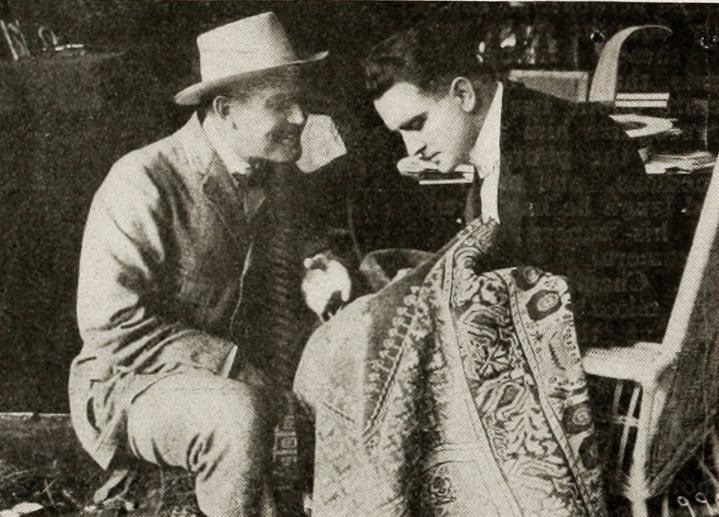
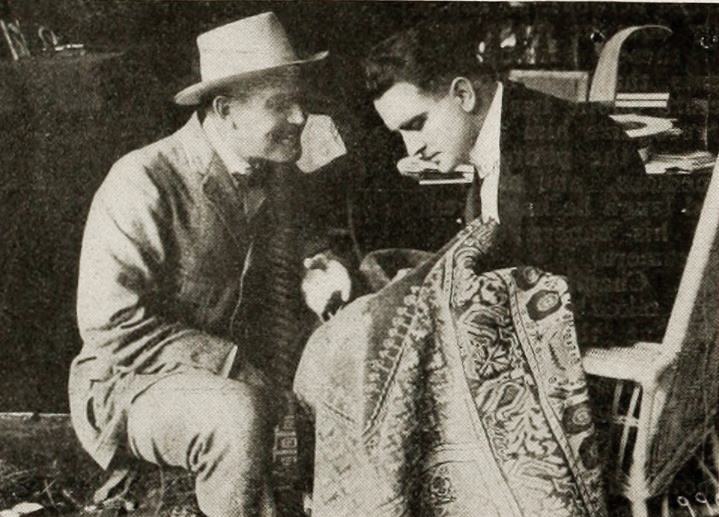
The visual language of The Carpet from Bagdad is defined by its use of shadows and framing, a hallmark of Colin Campbell's style. By utilizing a 1915-era palette, the film creates an immersive experience that perfectly complements its cult themes.
| Cinematography | Noir-Inspired |
| Soundtrack | Diegetic |
| Editing | Elliptical |
| Art Direction | Expressionist |
Visualizing the convergence of Colin Campbell's style and the core cult narrative.
The Pasha's servant Mohamed, is entrusted to guard the Sacred Carpet of Bagdad with his life. In New York, after banker Arthur Wadsworth forces his brother Horace to give up his inheritance, Horace joins a band of crooks and plans to rob the Wadsworth Bank by tunneling from the adjacent home of antique dealer George P. A. Jones. The gang follows Jones to Egypt and Bagdad, where Horace steals the carpet and sells it to Jones. Fortune Chedsoye, the innocent daughter of a gang member, falls in love with Jones. When Fortune discovers that Mohamed plans to kill Jones to retrieve the rug, she hides it with her mother's belongings. Mohamed forces Jones, Wadsworth, and Fortune into the desert, but they escape his torture during a sandstorm. Wadsworth then rejoins the gang at Jones' home in New York. When Fortune and Jones catch the crooks tunneling, Jones, sympathetically, gives them a two hour head-start before informing the police. Fortune and Jones keep the carpet, while in the East, Mohamed bows in resignation to Allah's will.
Decades after its release, The Carpet from Bagdad remains a vital piece of the cinematic puzzle. Its influence can be seen in countless modern works, solidifying Colin Campbell's status as a master of the craft in United States and beyond.