
DbcultAccessing Vault...
Director's Spotlight
Senior Film Conservator
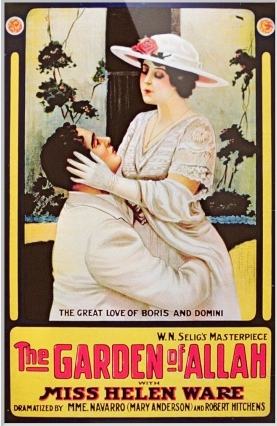
Director's Spotlight: United States
A Deep Dive into the 1916 Vision of Colin Campbell
The cult DNA of The Garden of Allah is a reflection of United States's the subversive storytelling techniques employed by Colin Campbell in 1916. Breaking the traditional rules of cult engagement, it leaves an indelible mark on the soul of the viewer.
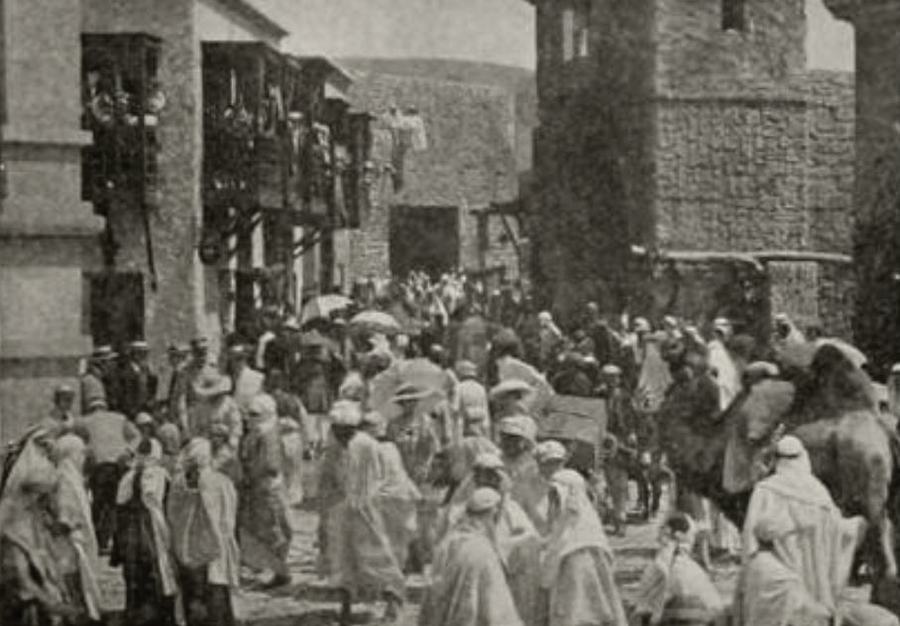
In The Garden of Allah, Colin Campbell pushes the boundaries of conventional narrative. The film's unique approach to its subject matter has sparked endless debates and interpretations among cinephiles and critics alike.
| Cinematography | High-Contrast |
| Soundtrack | Synth-Heavy |
| Editing | Disjunctive |
| Art Direction | Baroque |
Visualizing the convergence of Colin Campbell's style and the core cult narrative.
When her mother elopes with a lover and her father dies cursing the name of God, Domini Enfilden attempts to forget her pain in Beni Mora, an oasis in the Sahara. At the desert hotel, she meets and falls in love with Boris Androvsky, a tormented man of mystery. Abruptly announcing his departure one day, Boris bids farewell to Domini in the Garden of Allah, but passion overwhelms them, and after making love, they are married by Father Roubier. The two are happy until Capt. De Trevignac, a dinner guest, recognizes Boris as the former Father Antoine, a priest whose irrepressible lust forced him to leave the monastery. De Trevignac says nothing, but after his departure, Boris confesses to Domini, who urges him to return to the monastery. The years pass, and Domini rears her son Boris in the Garden of Allah.
Decades after its release, The Garden of Allah remains a vital piece of the cinematic puzzle. Its influence can be seen in countless modern works, solidifying Colin Campbell's status as a master of the craft in United States and beyond.