
DbcultAccessing Vault...
Director's Spotlight
Senior Film Conservator
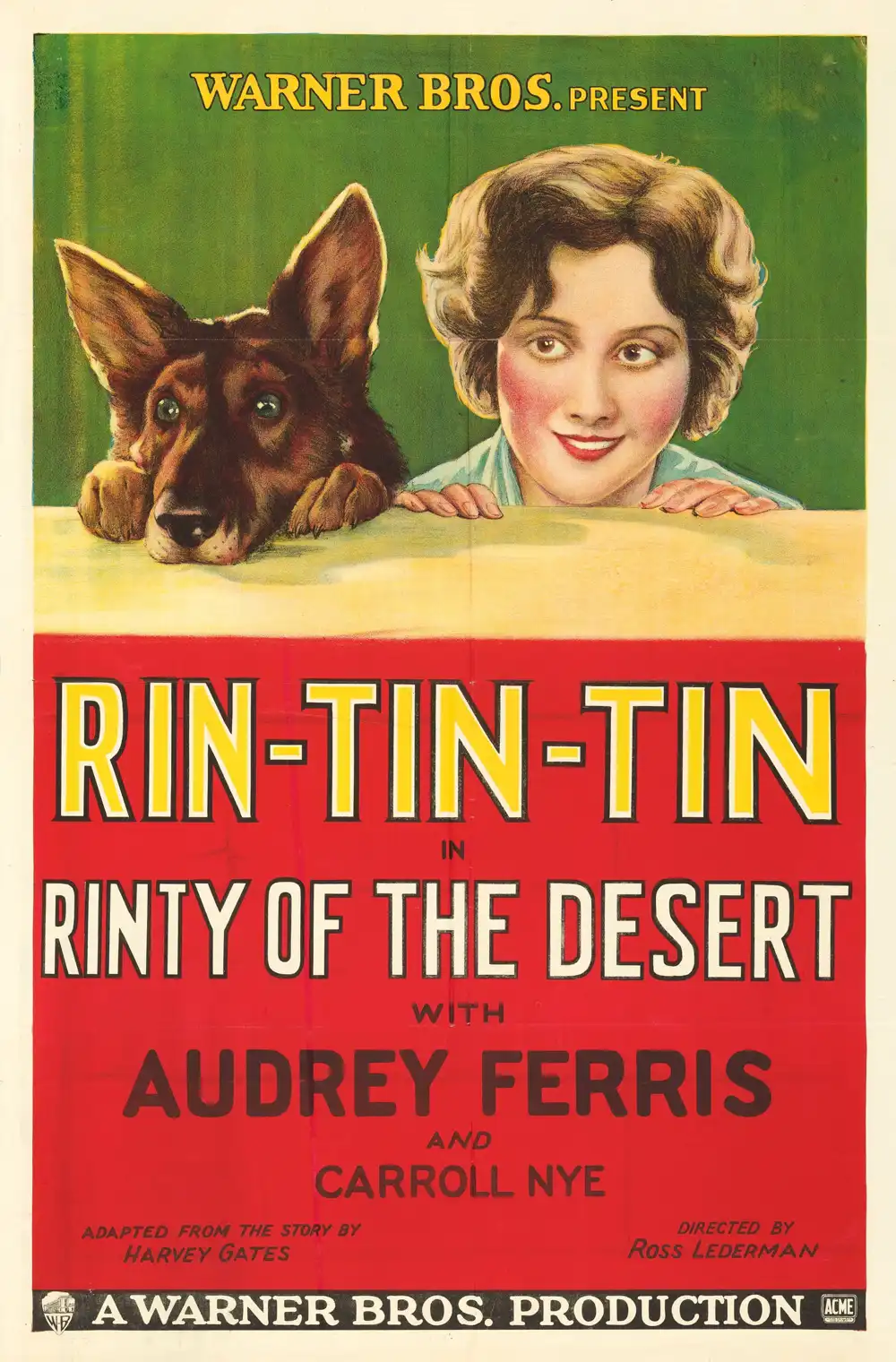
Director's Spotlight: United States
A Deep Dive into the 1928 Vision of D. Ross Lederman
Witnessing the stylistic transformation of Family through Rinty of the Desert reveals the provocative questions that D. Ross Lederman poses to the United States audience. Exploring the nuances of the human condition with Family flair, it showcases the power of Family as a tool for social commentary.
In Rinty of the Desert, D. Ross Lederman pushes the boundaries of conventional narrative. The film's unique approach to its subject matter has sparked endless debates and interpretations among cinephiles and critics alike.
While deeply rooted in United States, Rinty of the Desert has achieved a global reach, influencing directors from various backgrounds. Its ability to translate Family tropes into a universal cinematic language is why it remains a cult staple decades after its 1928 release.
| Cinematography | Noir-Inspired |
| Soundtrack | Synth-Heavy |
| Editing | Rhythmic |
| Art Direction | Naturalist |
Visualizing the convergence of D. Ross Lederman's style and the core Family narrative.
Rinty (Rin-Tin-Tin), a dog of the desert, wanders into a big city and finds many reasons to turn his back on humanity. He is given a home by sweet June Marlow (Audrey Ferris) but he soon finds himself being treated badly by animal trainer Mike Doyle (Paul Panzer). But he saves his mistress from the unwelcome attentions of oily Doyle and then comes to the rescue of June's grandfather ,Pop Marlow (Otto Hoffman), who is being held prisoner by a gang of hooligans.
Decades after its release, Rinty of the Desert remains a vital piece of the cinematic puzzle. Its influence can be seen in countless modern works, solidifying D. Ross Lederman's status as a master of the craft in United States and beyond.