
DbcultAccessing Vault...
Director's Spotlight
Senior Film Conservator
Director's Spotlight: United States
A Deep Dive into the 1920 Vision of Dallas M. Fitzgerald
The Mystery DNA of Chains of Evidence is a reflection of United States's the historical context that Dallas M. Fitzgerald weaves into the Mystery fabric. Challenging the viewer to find meaning in the Mystery shadows, it transcends regional boundaries to tell a universal story.
In Chains of Evidence, Dallas M. Fitzgerald pushes the boundaries of conventional narrative. The film's unique approach to its subject matter has sparked endless debates and interpretations among cinephiles and critics alike.
| Cinematography | Handheld |
| Soundtrack | Synth-Heavy |
| Editing | Disjunctive |
| Art Direction | Baroque |
Visualizing the convergence of Dallas M. Fitzgerald's style and the core Mystery narrative.
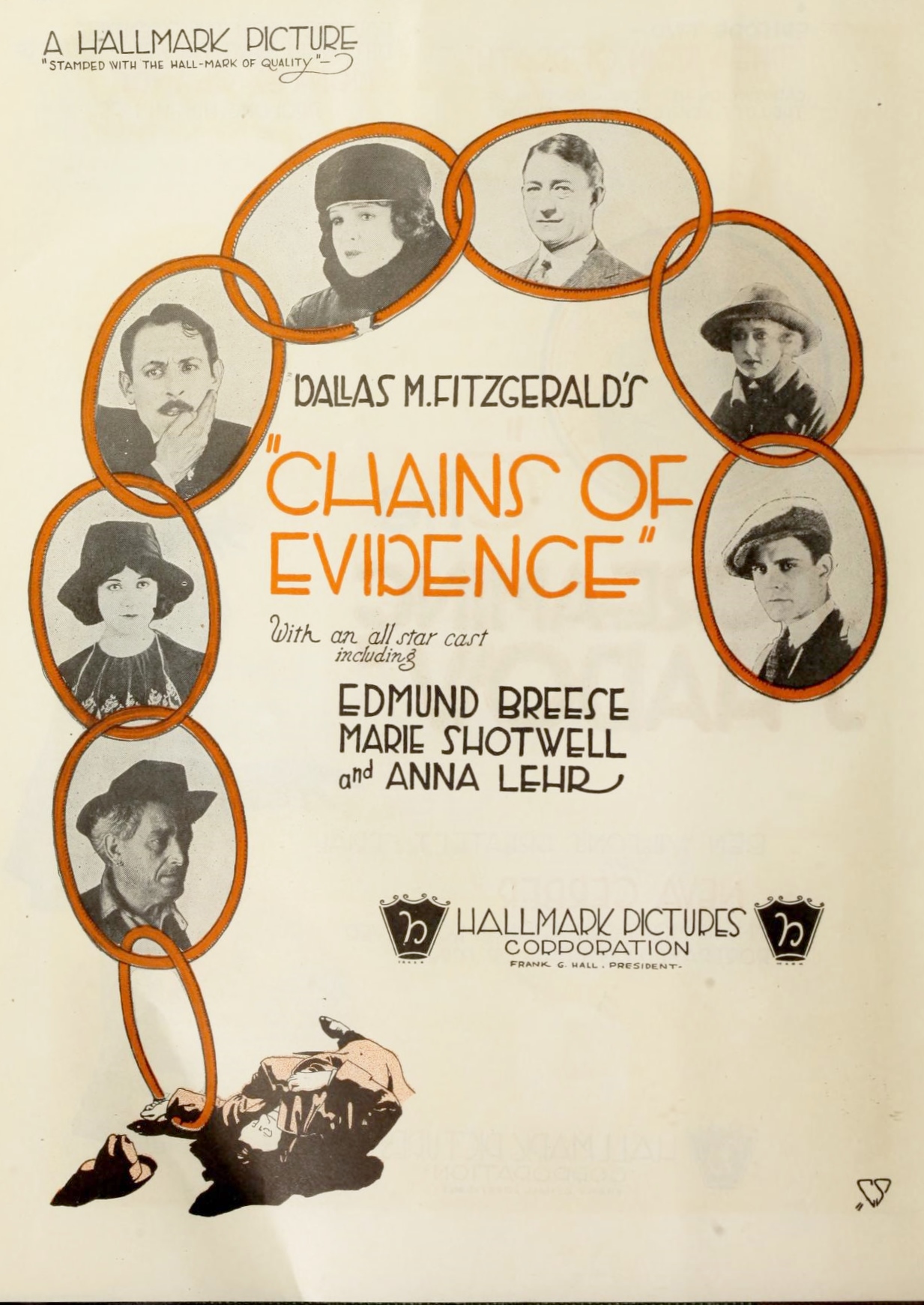
Edith Sturgis, the daughter of a judge, returns from studies abroad to find her widowed father remarried. The new Mrs. Sturgis does not reveal that she has a son Dick, once unjustly jailed by Judge Sturgis, but now working as a reporter while still maintaining an association with the Brownlow gang. Quarrelling with her stepmother, Edith leaves home, meets Dick and falls in love. While Dr. and Mrs. Allen (whom Edith met on the steamer) are visiting in the Sturgis home, the doctor's valuable radium is stolen from the safe, and Judge Sturgis is found murdered. Dick, though with Edith at the time, is accused of the crime. Finally, an old shoemaker confesses that he entered the house to steal the radium, with which to cure his crippled son, and witnessed the judge's slaying by the Brownlow gang. Dick is freed and finds happiness with Edith, and the doctor helps the crippled boy.
Decades after its release, Chains of Evidence remains a vital piece of the cinematic puzzle. Its influence can be seen in countless modern works, solidifying Dallas M. Fitzgerald's status as a master of the craft in United States and beyond.