
DbcultAccessing Vault...
Director's Spotlight
Senior Film Conservator
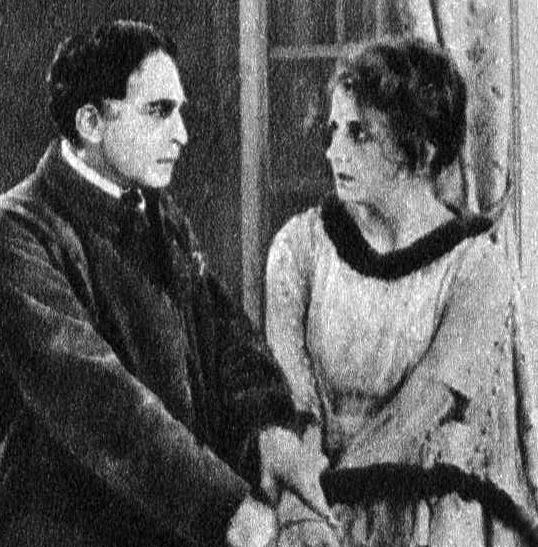
Director's Spotlight: France
A Deep Dive into the 1921 Vision of Daniel Bompard
The cult DNA of Une brute is a reflection of France's the subversive storytelling techniques employed by Daniel Bompard in 1921. Breaking the traditional rules of cult engagement, it leaves an indelible mark on the soul of the viewer.
In Une brute, Daniel Bompard pushes the boundaries of conventional narrative. The film's unique approach to its subject matter has sparked endless debates and interpretations among cinephiles and critics alike.
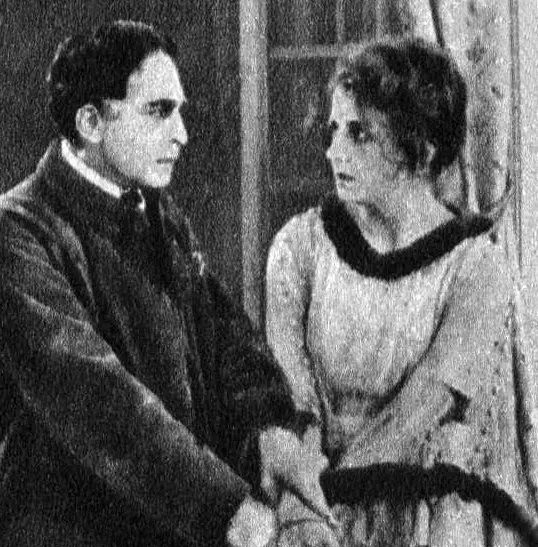
The visual language of Une brute is defined by its use of shadows and framing, a hallmark of Daniel Bompard's style. By utilizing a 1921-era palette, the film creates an immersive experience that perfectly complements its cult themes.
| Cinematography | Handheld |
| Soundtrack | Diegetic |
| Editing | Elliptical |
| Art Direction | Expressionist |
Visualizing the convergence of Daniel Bompard's style and the core cult narrative.
A policeman who has been fired by his chief after a violent quarrel is given a home by a farmer. As his host looks very much like a vagrant the peasant dubs him 'Pousse-Pierre'. Actually Pousse-Pierre will prove very handy since he will save Miette, the farmer's daughter, and manage - at the risk of his own life - to have the murderer of a miller arrested. His superior reinstates him and the young man can marry Miette.
Decades after its release, Une brute remains a vital piece of the cinematic puzzle. Its influence can be seen in countless modern works, solidifying Daniel Bompard's status as a master of the craft in France and beyond.