Summary
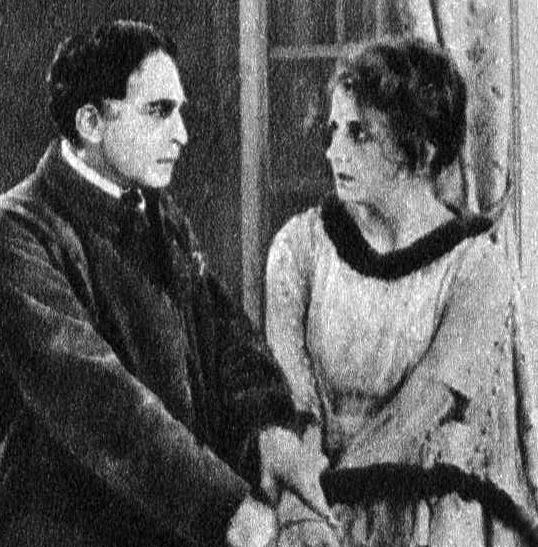
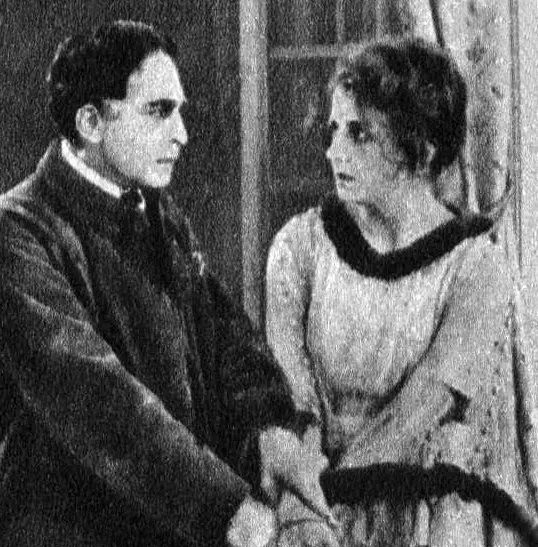
A dismissed gendarme, stripped of his badge following a tempestuous confrontation with his superior, finds an unexpected haven in the rustic embrace of a farming family. Dubbed 'Pousse-Pierre' by his hosts, a moniker reflecting his perceived rough-hewn demeanor and transient status, he initially embodies the very 'brute' of the film's title. Yet, beneath this rugged exterior, a latent heroism stirs. His presence, initially an act of charity, soon becomes indispensable as he intervenes dramatically to safeguard Miette, the farmer's daughter, from peril. The narrative then deepens into a gripping provincial whodunit: the brutal murder of a local miller. Pousse-Pierre, leveraging his innate investigative acumen and formidable courage, plunges headlong into the perilous pursuit of justice. His relentless dedication and willingness to confront grave danger culminate in the apprehension of the true culprit, a feat that not only exonerates his character but also re-establishes his professional standing. Reinstated to his former position, the erstwhile outcast finds profound personal redemption and the promise of a new beginning, culminating in his union with Miette, the young woman whose life he so courageously preserved.
Synopsis
A policeman who has been fired by his chief after a violent quarrel is given a home by a farmer. As his host looks very much like a vagrant the peasant dubs him 'Pousse-Pierre'. Actually Pousse-Pierre will prove very handy since he will save Miette, the farmer's daughter, and manage - at the risk of his own life - to have the murderer of a miller arrested. His superior reinstates him and the young man can marry Miette.
Review Excerpt
"
The Untamed Spirit: A Deep Dive into Maurice Landry's 'Une brute' (1920)
In the annals of early cinematic endeavors, certain films stand as stark, compelling testaments to the nascent power of visual storytelling. Maurice Landry’s 1920 silent drama, Une brute, is precisely one such work, a visceral exploration of justice, redemption, and the often-misunderstood nature of human character. Far from being a mere relic of a bygone era, this film resonates with an enduring thematic relevance..."