
DbcultAccessing Vault...
Director's Spotlight
Senior Film Conservator
Director's Spotlight: United States
A Deep Dive into the 1926 Vision of Daniel Keefe
Deciphering the layers of Cupid à la Carte (1926) reveals a monumental shift in Comedy filmmaking spearheaded by Daniel Keefe. With its avant-garde structure and atmospheric tension, offering layers of thematic complexity that demand repeated viewing.
In Cupid à la Carte, Daniel Keefe pushes the boundaries of conventional narrative. The film's unique approach to its subject matter has sparked endless debates and interpretations among cinephiles and critics alike.
While deeply rooted in United States, Cupid à la Carte has achieved a global reach, influencing directors from various backgrounds. Its ability to translate Comedy tropes into a universal cinematic language is why it remains a cult staple decades after its 1926 release.
| Cinematography | High-Contrast |
| Soundtrack | Synth-Heavy |
| Editing | Disjunctive |
| Art Direction | Baroque |
Visualizing the convergence of Daniel Keefe's style and the core Comedy narrative.
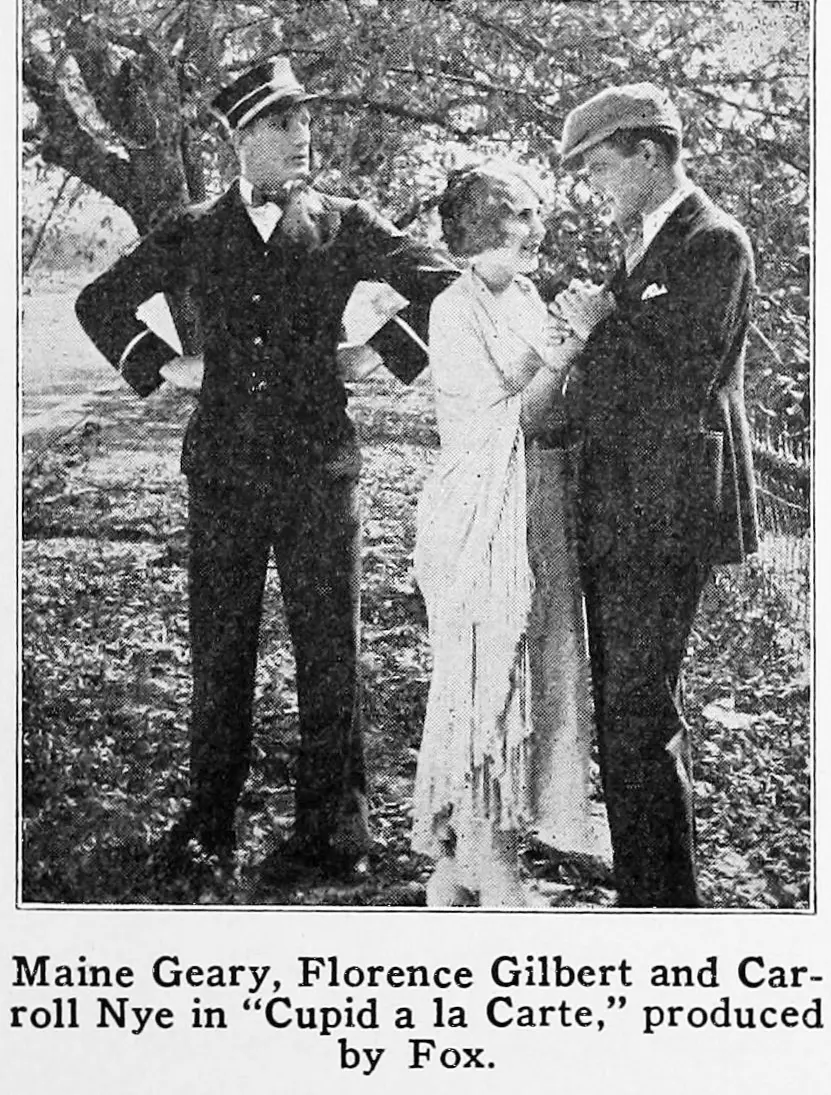
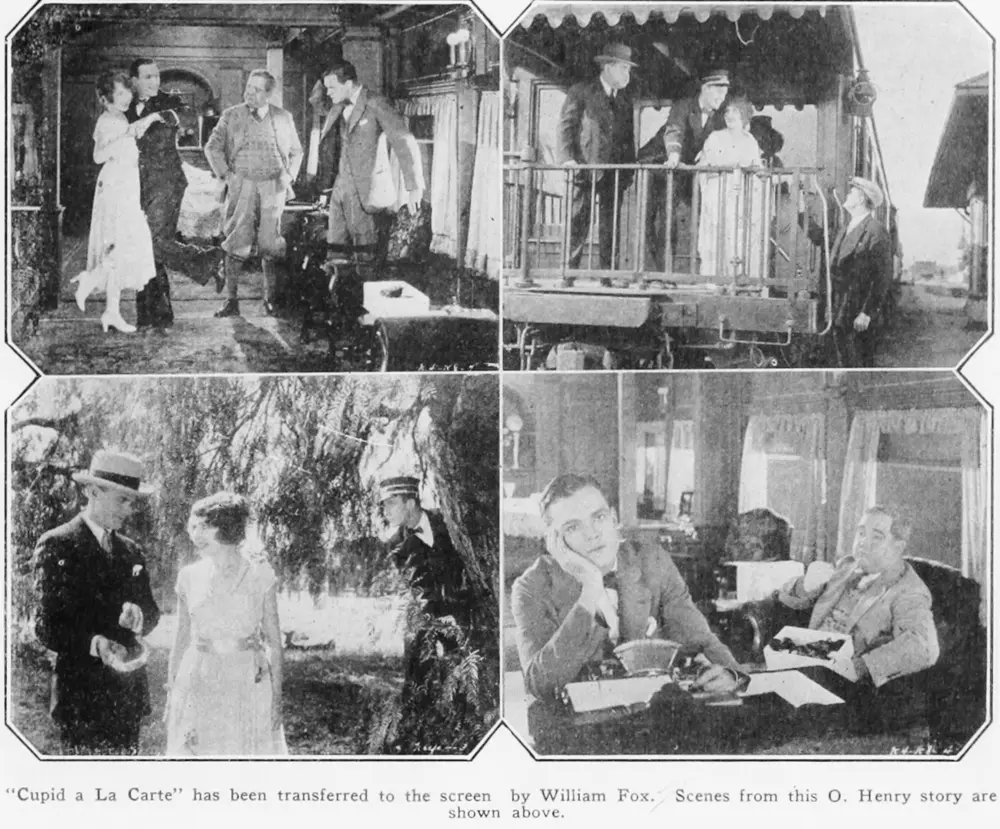
Mame is the charming little proprietress of a boarding house at a railroad junction point and has managed to corner most of the trade on the division by virtue of her pleasing ways and good eats. She has many suitors and one of the most ardent is young Jeffrey Peters, son of the road's general manager. Jeffrey is serving an apprenticeship as a brakeman and in order to impress Mame, discloses who his Father is. Mame does not seem to be over-impressed. Out on his private car, a few stations away, the general manager is having troubles with the kitchen help. The cook has walked out and as eating is the chief interest of Michael Peters' life, the situation is terrible. However his secretary cheers him with the thought that he can stop at the junction point to satisfy his abnormal appetite. They find Jeffrey at the boarding house and the father proceeds to consume sixty or so minute steaks. In the meantime the secretary is making eyes at Mame who seems to like her new admirer. Michael is so impressed with Mame's cooking that he invites her to accept a position abroad the private car. Before leaving her restaurant, a man drives up and inquires for the last time if she will come back to his home. Mame refuses. In her new position, Mame does so well that Michael is also considering her as a mate and in the meantime Jeff is in such distress that he seeks the aid of the secretary. He plans to win his father over in the matter of taking a cook for his wife and is overjoyed when he becomes aware of his father's wedding plans. Jeff thinks that they are for him. Mame and the secretary go for a walk while the train is at a stop off and with a lot of fast work, the secretary induces her to marry him. Consternation reigns in the private car when they return and announce the marriage. At this point, the stranger who besought Mame to return to his home enters the car. He turns out to be the president of the railroad - and Mame - his daughter.
Decades after its release, Cupid à la Carte remains a vital piece of the cinematic puzzle. Its influence can be seen in countless modern works, solidifying Daniel Keefe's status as a master of the craft in United States and beyond.