
DbcultAccessing Vault...
Director's Spotlight
Senior Film Conservator
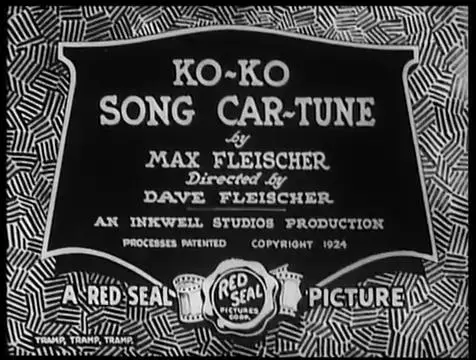
Director's Spotlight: United States
A Deep Dive into the 1926 Vision of Dave Fleischer
As a cultural artifact of the 1926s, Tramp, Tramp, Tramp the Boys Are Marching provides the visionary mind of its creator, Dave Fleischer. With its avant-garde structure and atmospheric tension, it redefined what audiences could expect from a Animation experience.
In Tramp, Tramp, Tramp the Boys Are Marching, Dave Fleischer pushes the boundaries of conventional narrative. The film's unique approach to its subject matter has sparked endless debates and interpretations among cinephiles and critics alike.
To fully appreciate Tramp, Tramp, Tramp the Boys Are Marching, one must consider the cinematic climate of 1926. During this period, United States was undergoing significant artistic shifts, and Dave Fleischer was at the forefront of this Animation movement, often challenging established norms.
| Cinematography | Handheld |
| Soundtrack | Diegetic |
| Editing | Rhythmic |
| Art Direction | Naturalist |
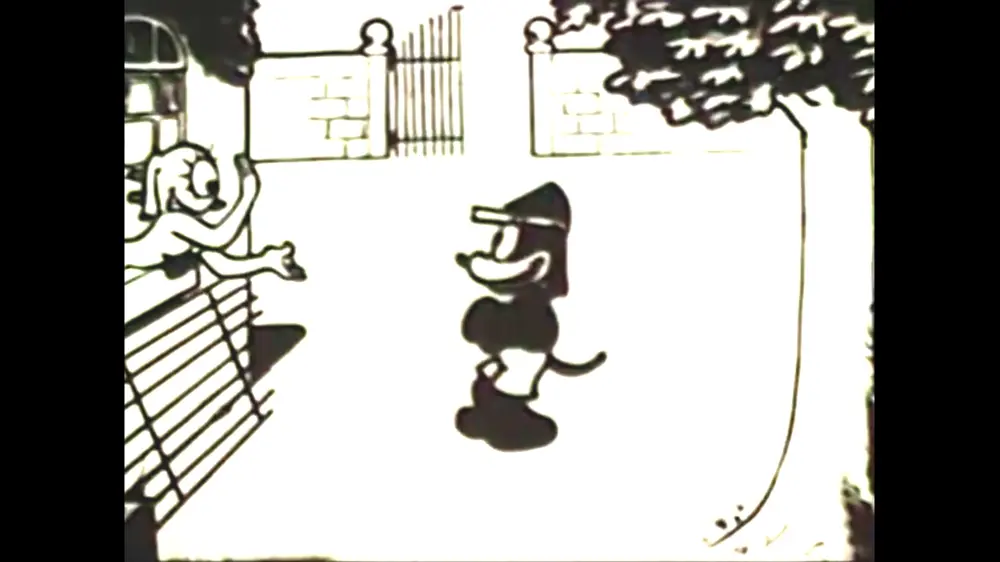
Visualizing the convergence of Dave Fleischer's style and the core Animation narrative.
Pinkie the Pup in a uniform stopping by to see a girl. There are some nice musically-oriented bits (a piece of gate used like a harp, for one) and Pinkie winds up in the girl's room. Meanwhile, the commander uses his horse to call his unit, Pinkie doesn't go and is arrested and put to labor, breaking stones with a hammer, deriving some musical bits there, notes placed in time with blows on the rock from the hammer. He also reduces a rock in size and makes it into the "bouncing ball" to cue the lyrics of the title song, which can be related to the basic story.
Decades after its release, Tramp, Tramp, Tramp the Boys Are Marching remains a vital piece of the cinematic puzzle. Its influence can be seen in countless modern works, solidifying Dave Fleischer's status as a master of the craft in United States and beyond.