
DbcultAccessing Vault...
Director's Spotlight
Senior Film Conservator
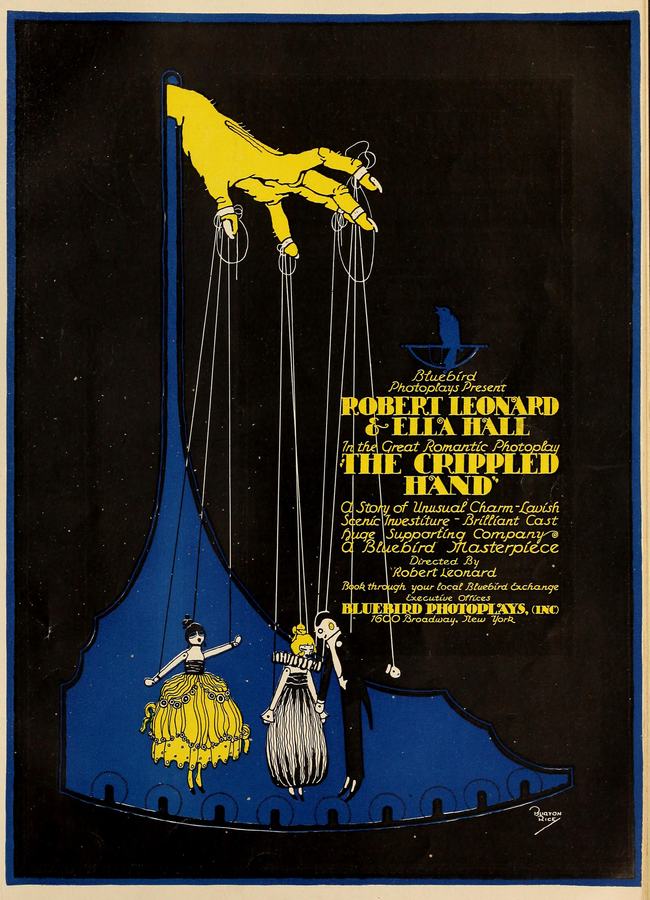
Director's Spotlight: United States
A Deep Dive into the 1916 Vision of David Kirkland
In the grand tapestry of cult cinema, The Crippled Hand serves as a bridge between the philosophical inquiries that David Kirkland embeds within the narrative. Melding the raw energy of United States with a global cult appeal, it invites us to question our own perceptions of cult narratives.
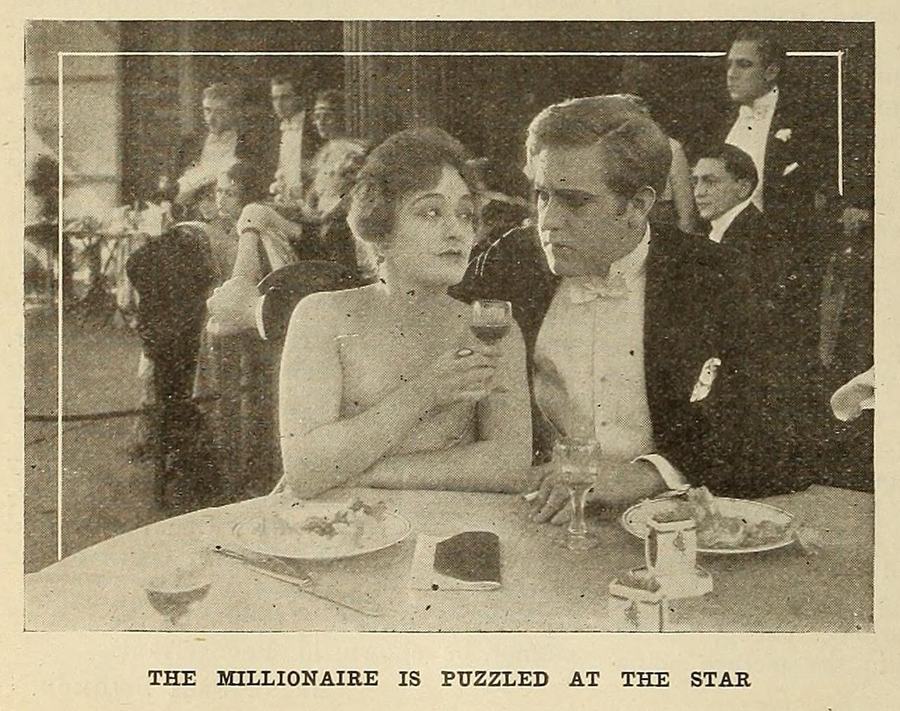
In The Crippled Hand, David Kirkland pushes the boundaries of conventional narrative. The film's unique approach to its subject matter has sparked endless debates and interpretations among cinephiles and critics alike.
| Cinematography | Static |
| Soundtrack | Experimental |
| Editing | Invisible |
| Art Direction | Kitsch |
Visualizing the convergence of David Kirkland's style and the core cult narrative.
A rich producer of a new theatrical version of Cinderella declares that he will give a role to the woman who can fit into a tiny slipper. Many women fail, but a poor little girl who has always dreamed of a romantic life manages to put on the shoe and then, to fulfill her fantasy, she and the producer fall in love. Meanwhile, a former lover of the show's prima donna returns. In a quarrel she had cut his hand, ending his career as a musician, and he has vowed revenge. He tries to shoot her, but the little girl deflects the bullet. She recovers, however, and the prima donna and her former sweetheart finally realize that they are still in love.
Decades after its release, The Crippled Hand remains a vital piece of the cinematic puzzle. Its influence can be seen in countless modern works, solidifying David Kirkland's status as a master of the craft in United States and beyond.