
DbcultAccessing Vault...
Director's Spotlight
Senior Film Conservator
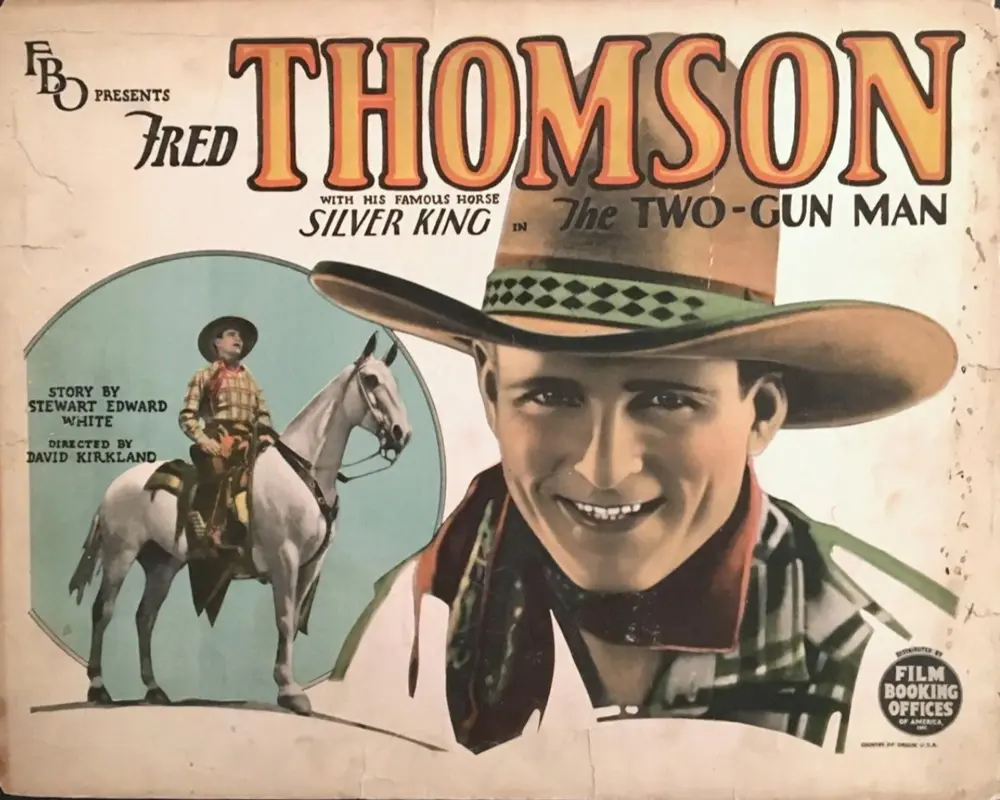
Director's Spotlight: United States
A Deep Dive into the 1926 Vision of David Kirkland
Witnessing the stylistic transformation of Drama through The Two-Gun Man reveals the provocative questions that David Kirkland poses to the United States audience. Exploring the nuances of the human condition with Drama flair, it showcases the power of Drama as a tool for social commentary.
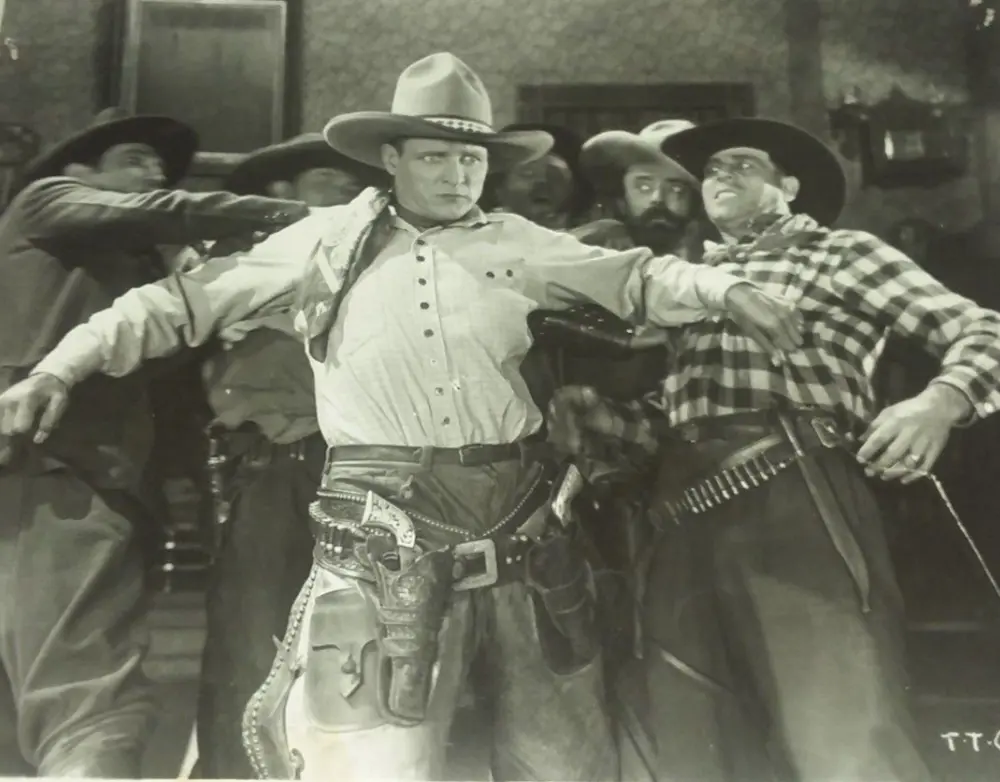
In The Two-Gun Man, David Kirkland pushes the boundaries of conventional narrative. The film's unique approach to its subject matter has sparked endless debates and interpretations among cinephiles and critics alike.
| Cinematography | Deep Focus |
| Soundtrack | Orchestral |
| Editing | Invisible |
| Art Direction | Kitsch |
Visualizing the convergence of David Kirkland's style and the core Drama narrative.
Dad Randall is forced to mortgage his cattle to pay a debt to Ivor Johnson, who has bought them after stealing the receipts for the money Randall actually has paid. His son, Dean, returns home from action in the trenches and saves John Stickley, his daughter Grace, and a child from the grasping tactics of Texas Pete, a Johnson hireling who is charging for use of the waterhole. Meanwhile, Dad Randall is being forced to sign over the ranch, but Dean arrives and disposes of the villains just before Dad's death. When Johnson's cattle are rustled, Dean goes to work for him to track down the rustlers; returning the stolen cattle, Dean is tricked by Johnson, but with the aid of Grace and his horse, Silver King, he escapes. By a pulley stunt, Dean leads his pursuers into the sheriff's trap, and following a final showdown with Johnson, Dean and Grace are united.
Decades after its release, The Two-Gun Man remains a vital piece of the cinematic puzzle. Its influence can be seen in countless modern works, solidifying David Kirkland's status as a master of the craft in United States and beyond.