
DbcultAccessing Vault...
Director's Spotlight
Senior Film Conservator
Director's Spotlight: United States
A Deep Dive into the 1918 Vision of David Smith
In the storied career of David Smith, A Gentleman's Agreement stands as a the atmospheric immersion that David Smith achieves throughout A Gentleman's Agreement. Reflecting the political and social shifts of the 1918s, it reinforces the idea that cinema is a medium of infinite possibilities.
In A Gentleman's Agreement, David Smith pushes the boundaries of conventional narrative. The film's unique approach to its subject matter has sparked endless debates and interpretations among cinephiles and critics alike.
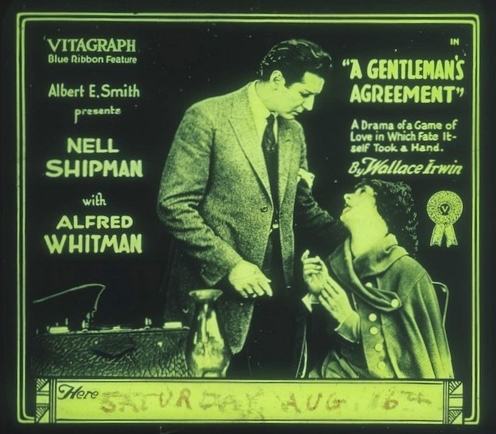
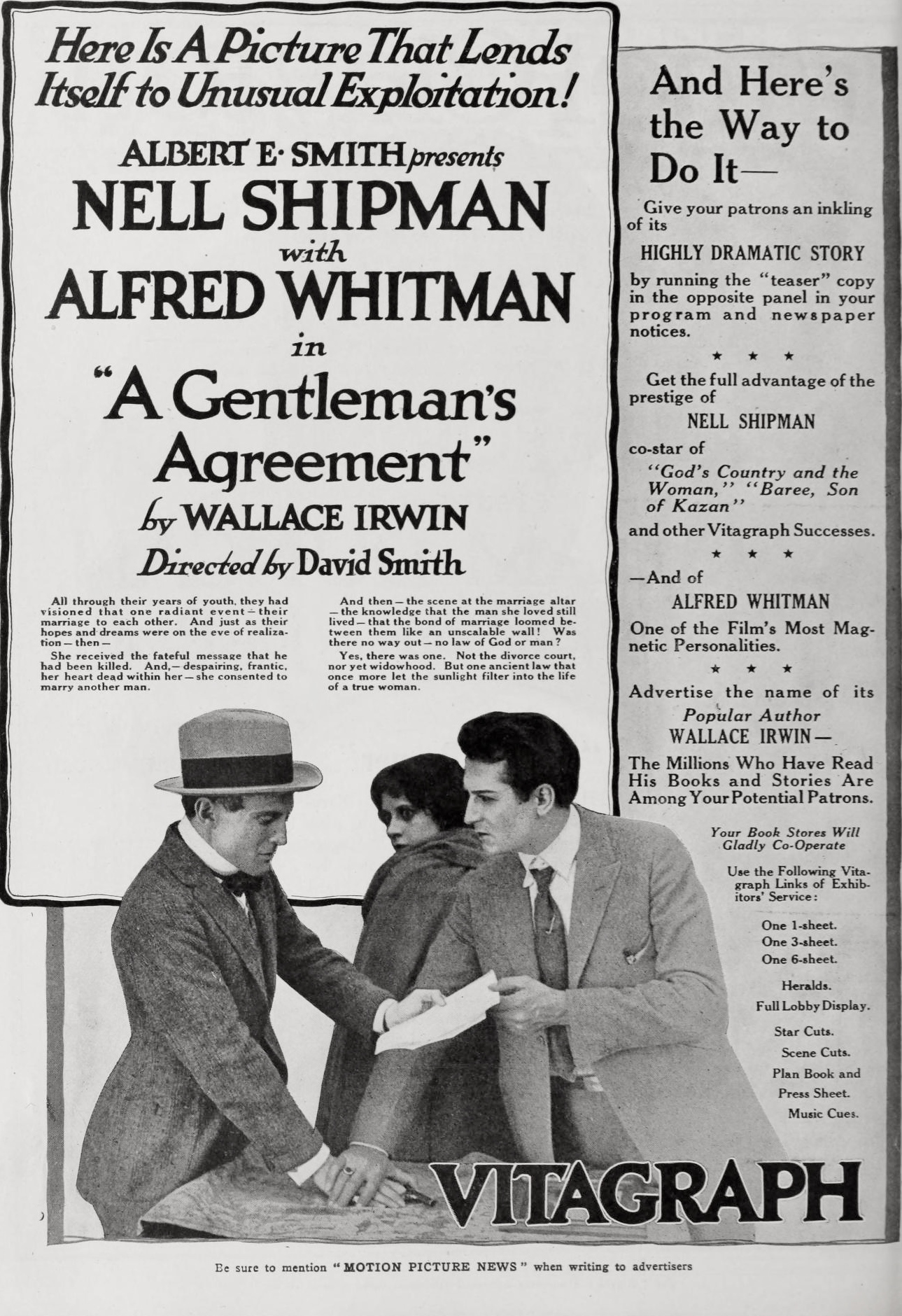
The visual language of A Gentleman's Agreement is defined by its use of shadows and framing, a hallmark of David Smith's style. By utilizing a 1918-era palette, the film creates an immersive experience that perfectly complements its cult themes.
| Cinematography | Handheld |
| Soundtrack | Orchestral |
| Editing | Invisible |
| Art Direction | Kitsch |
Visualizing the convergence of David Smith's style and the core cult narrative.
Allen Spargo, a mining engineer betrothed to Theresa Kane, goes West to make his fortune and is seriously injured in an accident. Kate Leonard falls in love with him while nursing him to recovery. She jealously intercepts his fiancée's letters and writes Theresa that Allen is dead. Paralyzed by grief for a time, Theresa finally agrees to marry her former suitor, Lemuel Antree, but soon after the ceremony, Allen returns. Assuming that she no longer loves him, Allen leaves for the West, but Theresa follows him. Lemuel pursues the couple intending to kill them, but learns that Allen had once saved his life. Since Lemuel believes that his life, in effect, belongs to Allen, he drowns himself to allow the couple to marry.
Decades after its release, A Gentleman's Agreement remains a vital piece of the cinematic puzzle. Its influence can be seen in countless modern works, solidifying David Smith's status as a master of the craft in United States and beyond.