
DbcultAccessing Vault...
Director's Spotlight
Senior Film Conservator
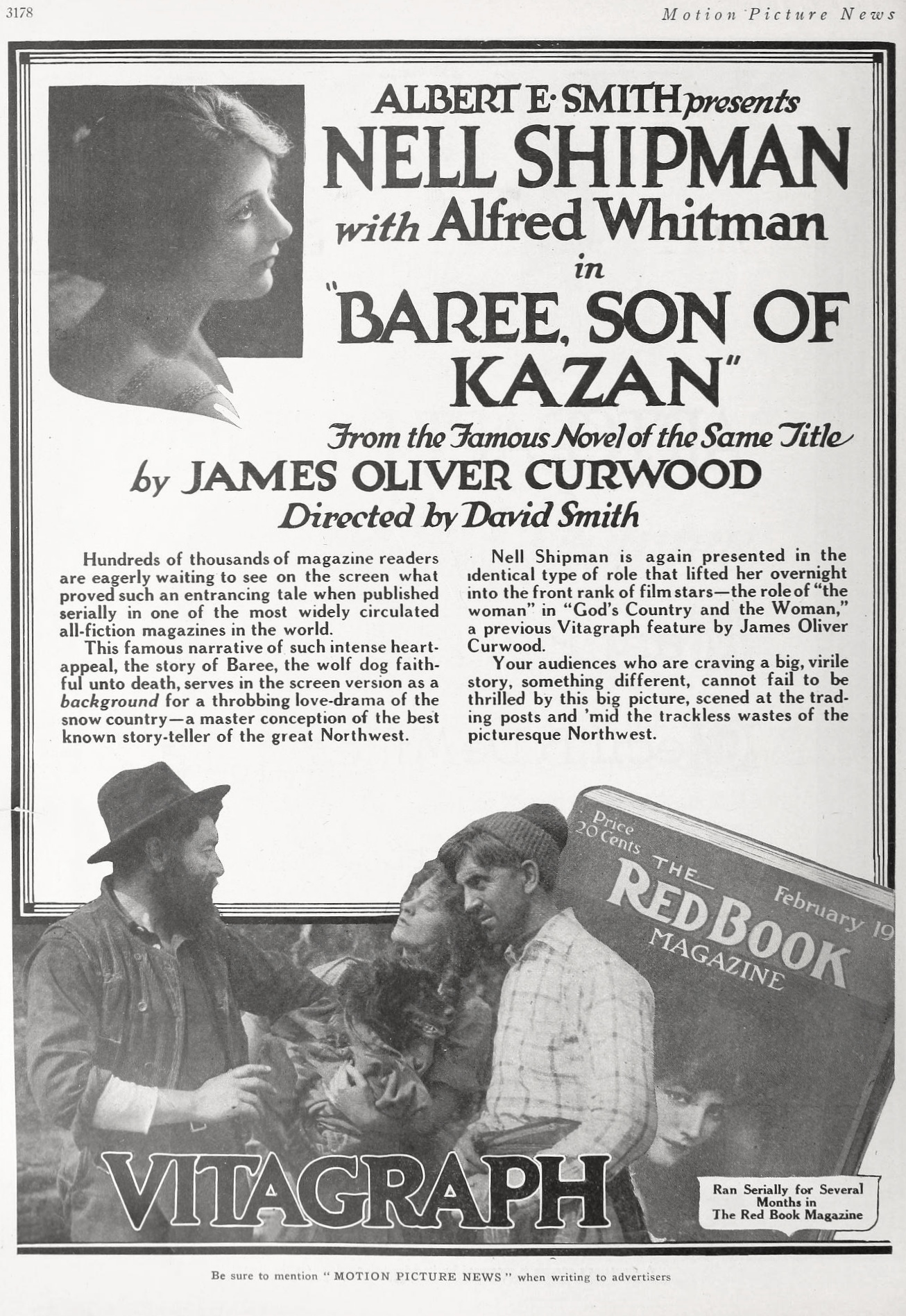
Director's Spotlight: United States
A Deep Dive into the 1918 Vision of David Smith
When we examine the cinematic landscape of United States, Baree, Son of Kazan emerges as a landmark work of the enduring legacy of David Smith's artistic contribution to the genre. Through a lens of existential fatalism and cult tropes, it captures a specific kind of cinematic magic that is rarely replicated.
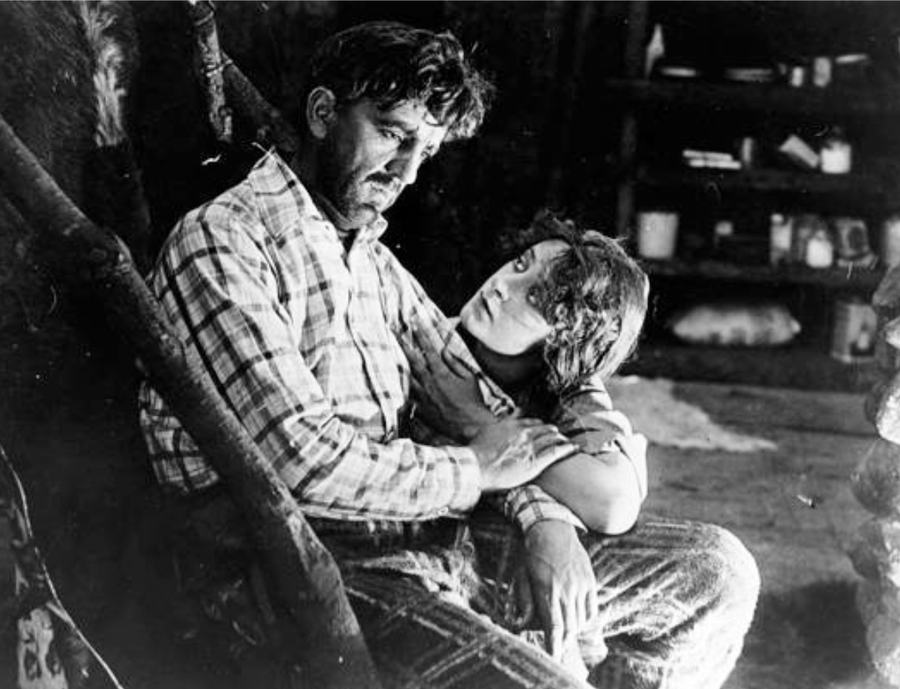
In Baree, Son of Kazan, David Smith pushes the boundaries of conventional narrative. The film's unique approach to its subject matter has sparked endless debates and interpretations among cinephiles and critics alike.
| Cinematography | High-Contrast |
| Soundtrack | Experimental |
| Editing | Invisible |
| Art Direction | Kitsch |
Visualizing the convergence of David Smith's style and the core cult narrative.
Jim Carvel, whose father Henry, a newspaper owner, has been killed by the local political boss for exposing a theft ring, shoots his father's murderer and escapes to the Canadian Northwest where he befriends Nepeese, daughter of a local trapper named Pierre. Brutal trading post owner "Bush" McTaggart attacks Nepeese while she is alone in her cabin. Pierre arrives home and tries to defend his daughter, but McTaggart kills him. To clear himself, McTaggart blames Jim for the murder, and while a group of Indians track Jim down, kidnaps Nepeese. Jim is rescued by his half-breed friend De Bar while Baree, Nepeese's dog, hunts down and overcomes McTaggart. Freed from McTaggart's clutches, Nepeese marries Jim.
Decades after its release, Baree, Son of Kazan remains a vital piece of the cinematic puzzle. Its influence can be seen in countless modern works, solidifying David Smith's status as a master of the craft in United States and beyond.