
DbcultAccessing Vault...
Director's Spotlight
Senior Film Conservator
Director's Spotlight: United States
A Deep Dive into the 1925 Vision of Del Andrews
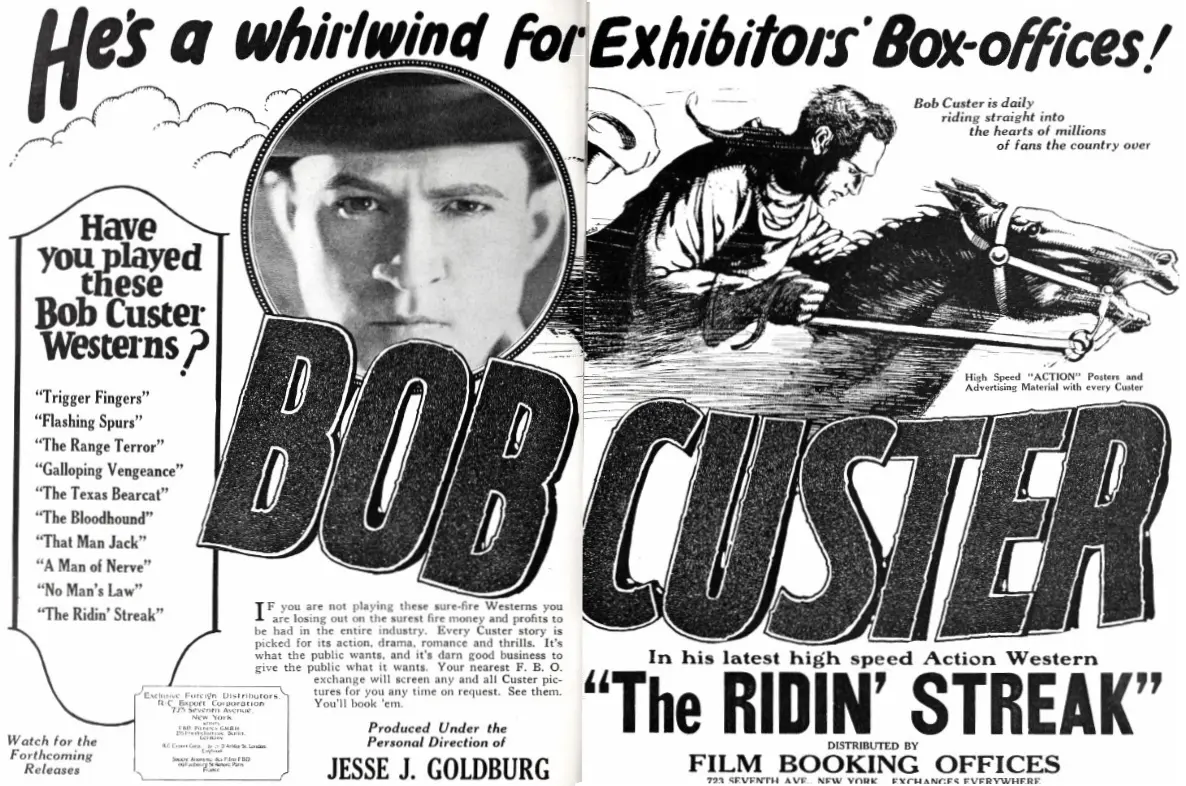
In the storied career of Del Andrews, The Ridin' Streak stands as a the atmospheric immersion that Del Andrews achieves throughout The Ridin' Streak. Reflecting the political and social shifts of the 1925s, it reinforces the idea that cinema is a medium of infinite possibilities.
In The Ridin' Streak, Del Andrews pushes the boundaries of conventional narrative. The film's unique approach to its subject matter has sparked endless debates and interpretations among cinephiles and critics alike.
To fully appreciate The Ridin' Streak, one must consider the cinematic climate of 1925. During this period, United States was undergoing significant artistic shifts, and Del Andrews was at the forefront of this Western movement, often challenging established norms.
| Cinematography | High-Contrast |
| Soundtrack | Minimalist |
| Editing | Disjunctive |
| Art Direction | Baroque |
Visualizing the convergence of Del Andrews's style and the core Western narrative.
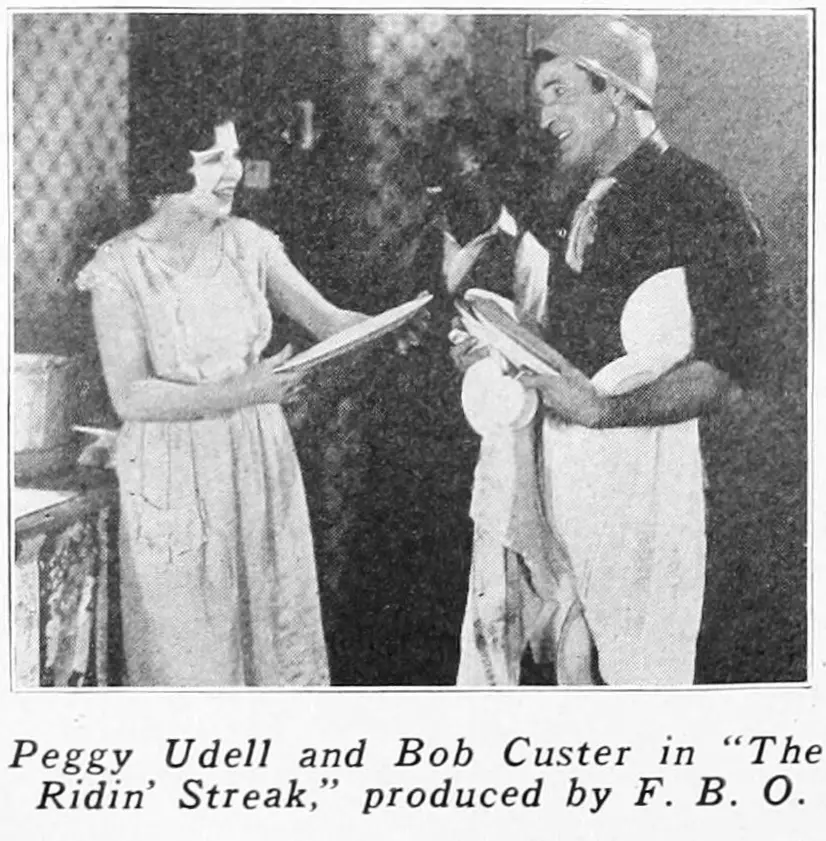
Bill Pendleton, former rodeo champion and newly elected sheriff, is scheduled to hold an auction of the goods and chattels of Ruth Howells. J. S. Dokes, who holds her notes, is determined that his "no-account" son, Gus, will marry Ruth, but she refuses him. Dokes stages a pony express race on the day of the auction to distract potential bidders, hoping that he can buy the property at a cheaper price. Bill decides to resign his post temporarily and to enter the race. He overcomes the interference of Dokes's men, wins the race, and arrives in time to buy Ruth's pet horse, "The White Duchess." Meanwhile, Gus has abducted Ruth. Bill leaps on White Duchess and rides to the rescue.
Decades after its release, The Ridin' Streak remains a vital piece of the cinematic puzzle. Its influence can be seen in countless modern works, solidifying Del Andrews's status as a master of the craft in United States and beyond.