
DbcultAccessing Vault...
Director's Spotlight
Senior Film Conservator
Director's Spotlight: United States
A Deep Dive into the 1925 Vision of Dell Henderson
Exploring the Western underpinnings of The Bad Lands leads us to the stylistic boundaries pushed by Dell Henderson during the production. Through a lens of existential fatalism and Western tropes, it continues to spark endless debates among critics and cinephiles alike.
In The Bad Lands, Dell Henderson pushes the boundaries of conventional narrative. The film's unique approach to its subject matter has sparked endless debates and interpretations among cinephiles and critics alike.
While deeply rooted in United States, The Bad Lands has achieved a global reach, influencing directors from various backgrounds. Its ability to translate Western tropes into a universal cinematic language is why it remains a cult staple decades after its 1925 release.
| Cinematography | Static |
| Soundtrack | Orchestral |
| Editing | Invisible |
| Art Direction | Kitsch |
Visualizing the convergence of Dell Henderson's style and the core Western narrative.
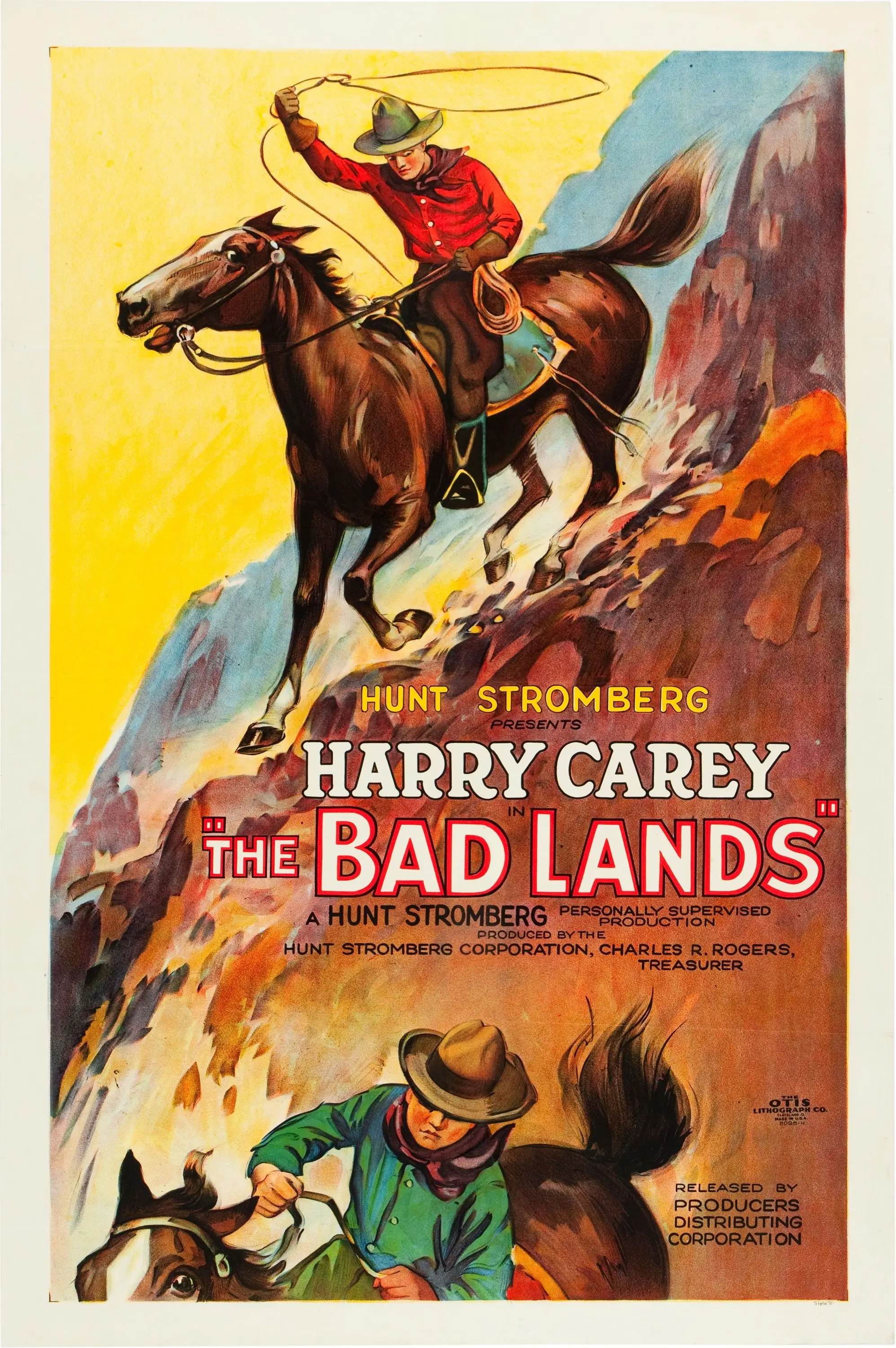
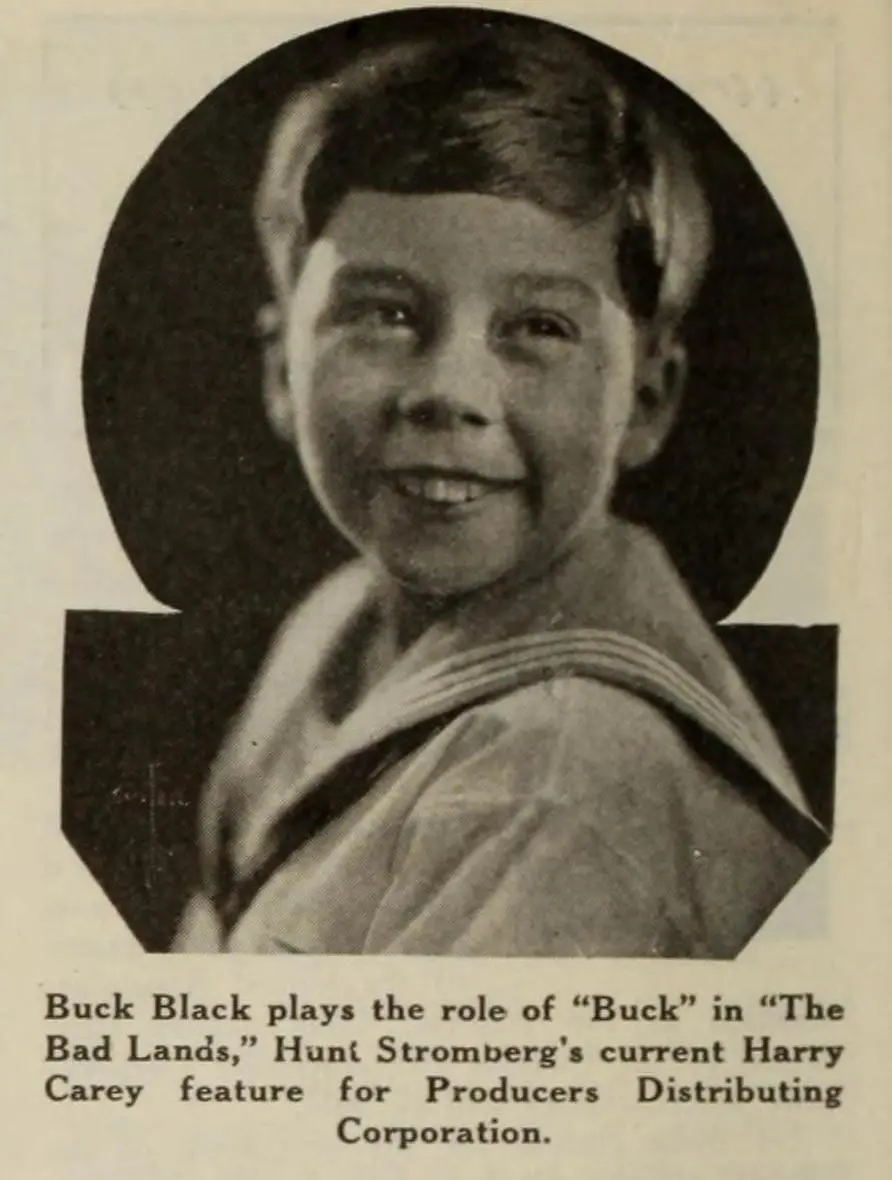
Hal Owen, late of West Point, is traveling in a wagon train to join his father's regiment at Fort Sumner in the Bad Lands, when a lone rider tries to warn the wagon train of an impending Indian attack. Owen, struck with cowardice, escapes on the rider's horse, leaving others to battle the Indians. After the Indians attack the wagon train, only "Freckles," the young son of a pioneer family, and Patrick Angus O'Toole, the lone rider, survive. O'Toole, known in the Army as "Famous Sergeant O'Toole," is also on his way to Fort Sumner and is assigned to clear up a smuggling operation there. Because of his un-soldierly appearance, O'Toole has difficulty gaining the troops' confidence. His difficulties increase when he thrashes Captain Blake for forcing his attentions on Mary Owen, the colonel's daughter, whom he secretly admires. Incensed, Blake vents his anger on her brother, Hal Owen, by giving him only twenty-four hours to pay his gambling debts. Hal Owen attempts to hold up the Pony Express, but Blake arranges for O'Toole to be arrested for the crime. Colonel Owen leaves his son in charge of the fort while the garrison rides out to reconnoiter. Suddenly, the Indians attack the fort, and during the excitement Freckles frees O'Toole, who finds Hal Owen hiding in a corner, trembling in fear. When O'Toole finally gets him to fight, Hal Owen battles the Indians like a demon until he is fatally wounded. The garrison returns to turn the tide of battle, and Charlie Squirrel, a half-breed, is captured and confesses to smuggling guns and liquor with the aid of Captain Blake, the leader of the band. Hal Owen, on his deathbed, confesses to the robbery, clearing O'Toole. Mary and O'Toole are united.
Decades after its release, The Bad Lands remains a vital piece of the cinematic puzzle. Its influence can be seen in countless modern works, solidifying Dell Henderson's status as a master of the craft in United States and beyond.