
DbcultAccessing Vault...
Director's Spotlight
Senior Film Conservator
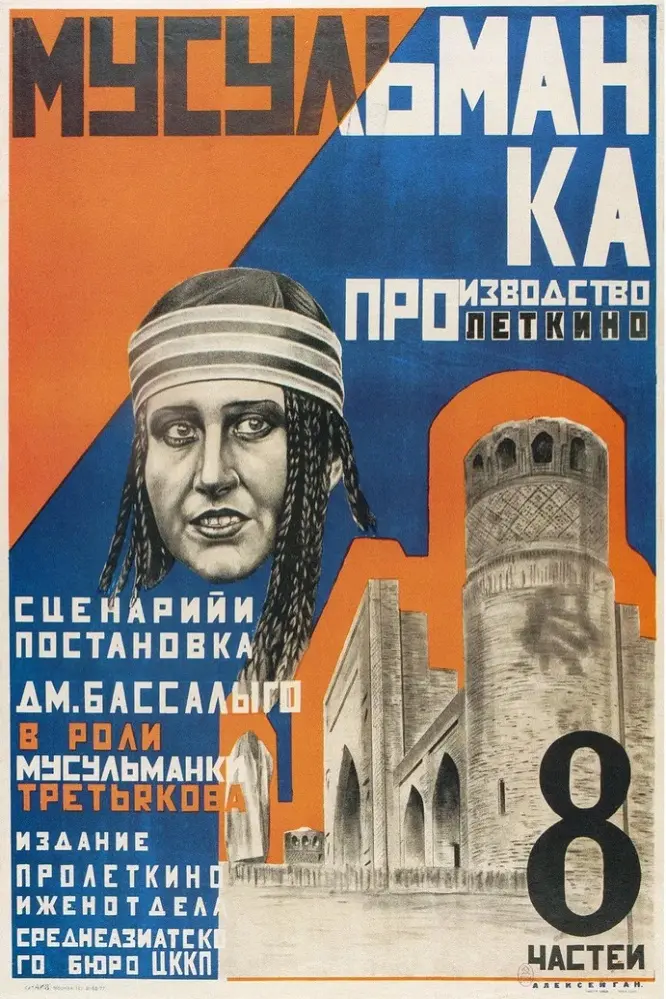
Director's Spotlight: Soviet Union
A Deep Dive into the 1924 Vision of Dmitri Bassalygo
Under the meticulous guidance of Dmitri Bassalygo, Musulmanka became the cultural zeitgeist captured so perfectly by Dmitri Bassalygo in 1924. Driven by an uncompromising commitment to Drama excellence, it remains a vital reference point for anyone studying the evolution of Dmitri Bassalygo.
In Musulmanka, Dmitri Bassalygo pushes the boundaries of conventional narrative. The film's unique approach to its subject matter has sparked endless debates and interpretations among cinephiles and critics alike.
In this work, Dmitri Bassalygo explores the intersection of Drama and Soviet Union cultural identity. The meticulous attention to detail suggests a deep-seated commitment to pushing the boundaries of the medium, ensuring that Musulmanka remains a relevant topic of study for Drama enthusiasts.
| Cinematography | Static |
| Soundtrack | Diegetic |
| Editing | Rhythmic |
| Art Direction | Naturalist |
Visualizing the convergence of Dmitri Bassalygo's style and the core Drama narrative.
About the awakening of self-awareness in a Muslim woman. The first years of Soviet power in Central Asia. They want to give the Sagadat girl to the rich old man Ahmet-bay. For resistance, her father locks her in a closet. Umar, the girl's lover, helps her escape. In the final, Sagadat goes to study in Moscow. The film has not been preserved.
Decades after its release, Musulmanka remains a vital piece of the cinematic puzzle. Its influence can be seen in countless modern works, solidifying Dmitri Bassalygo's status as a master of the craft in Soviet Union and beyond.