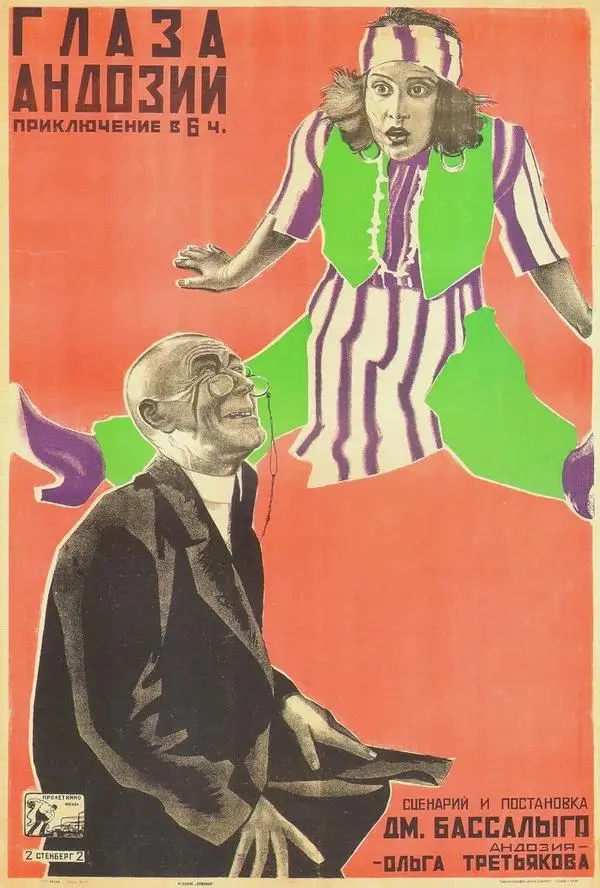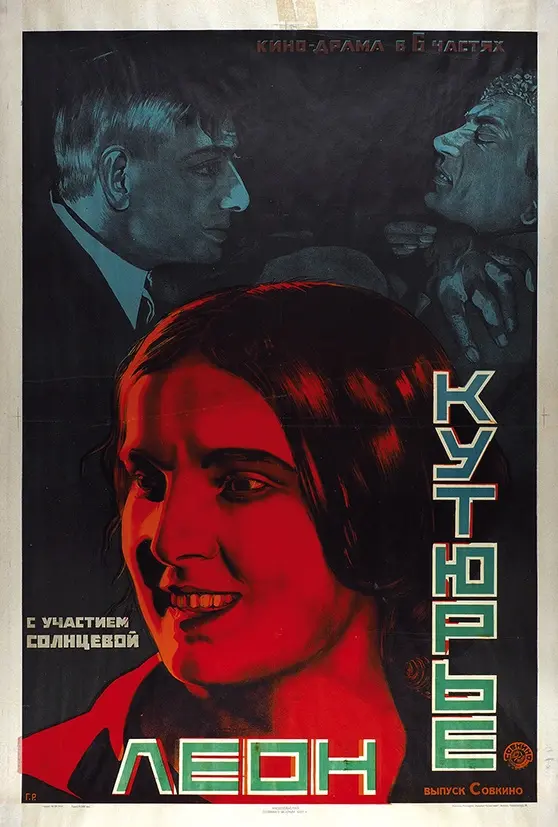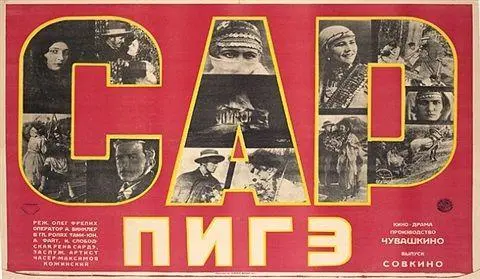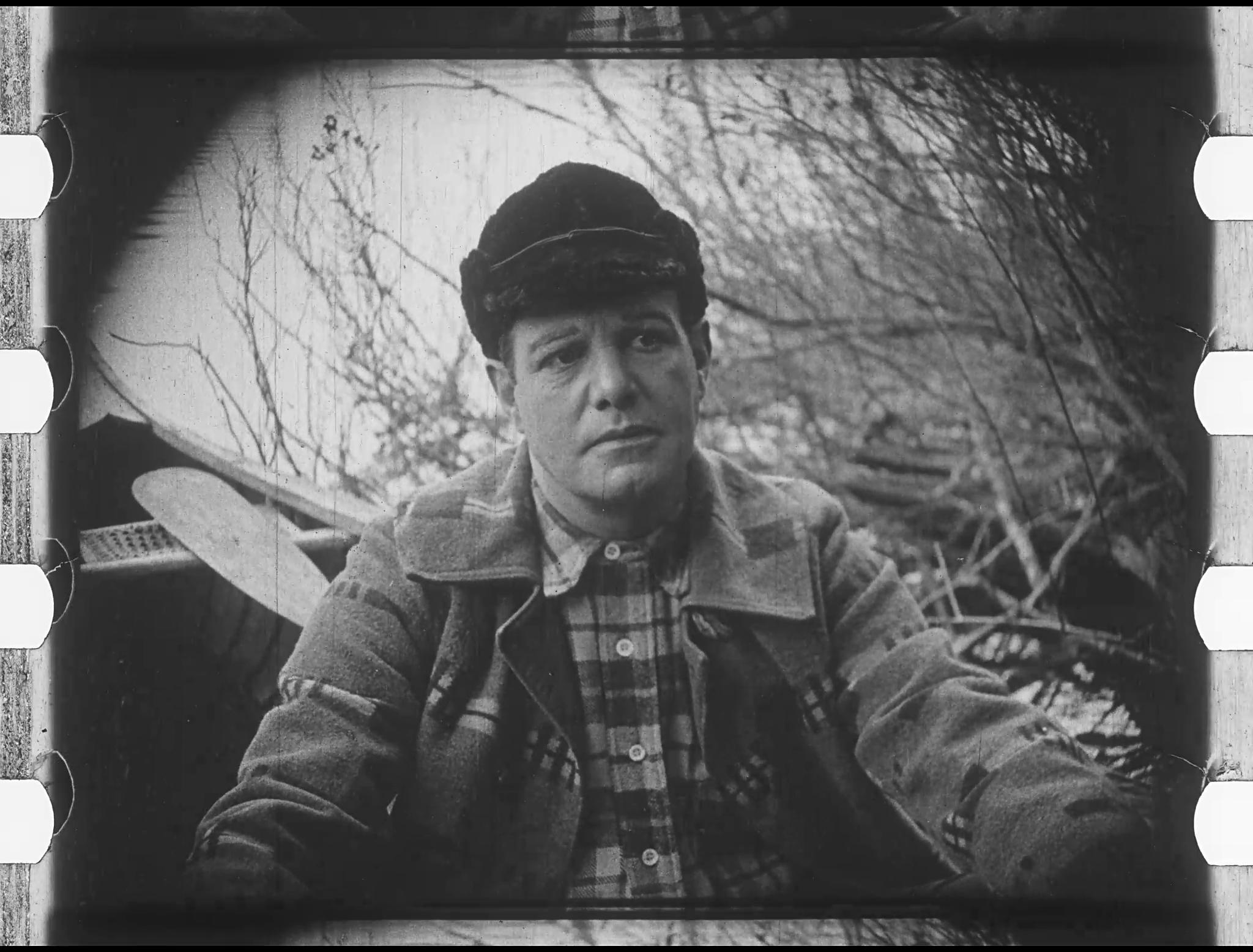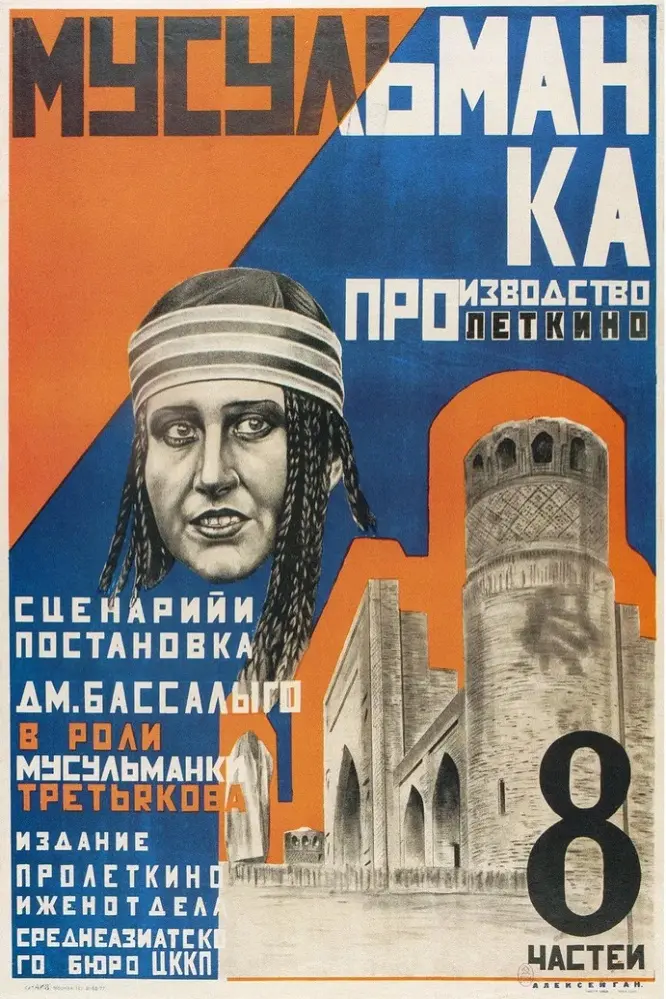
About the awakening of self-awareness in a Muslim woman. The first years of Soviet power in Central Asia.
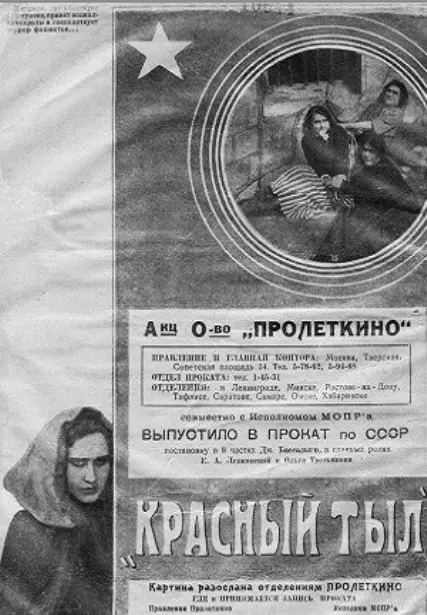
The cinematic history of the 1920s is often viewed through the lens of the avant-garde experiments in Moscow or the burgeoning glamour of Hollywood, yet some of the most socially transformative works emerged from the periphery of the Soviet empire. Musulmanka (The Muslim Woman), directed by the prolific yet under-dis...

Comparing the cinematic DNA and archive impact of two defining moments in cult history.
Dmitri Bassalygo

Wilfred Lucas
Community
Log in to comment.
" The cinematic history of the 1920s is often viewed through the lens of the avant-garde experiments in Moscow or the burgeoning glamour of Hollywood, yet some of the most socially transformative works emerged from the periphery of the Soviet empire. Musulmanka (The Muslim Woman), directed by the prolific yet under-discussed Dmitri Bassalygo, stands as a haunting phantom in this landscape—a film that exists now only in the testimonials of historians and the surviving stills of its production. T..."
N. Rakhmatova
Dmitri Bassalygo
Soviet Union