
DbcultAccessing Vault...
Director's Spotlight
Senior Film Conservator
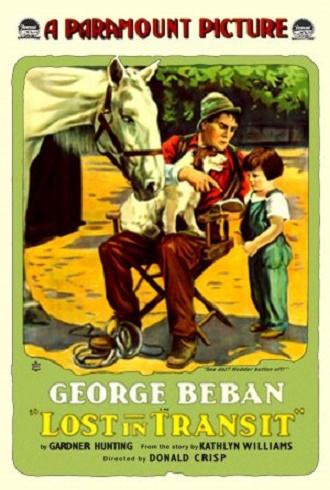
Director's Spotlight: United States
A Deep Dive into the 1917 Vision of Donald Crisp
The 1917 release of Lost in Transit marked a significant moment for the enduring legacy of Donald Crisp's artistic contribution to the genre. By challenging the status quo of 1917 cinema, it has cemented its place in the global cult cinema archive.
In Lost in Transit, Donald Crisp pushes the boundaries of conventional narrative. The film's unique approach to its subject matter has sparked endless debates and interpretations among cinephiles and critics alike.
While deeply rooted in United States, Lost in Transit has achieved a global reach, influencing directors from various backgrounds. Its ability to translate cult tropes into a universal cinematic language is why it remains a cult staple decades after its 1917 release.
| Cinematography | Noir-Inspired |
| Soundtrack | Synth-Heavy |
| Editing | Rhythmic |
| Art Direction | Naturalist |
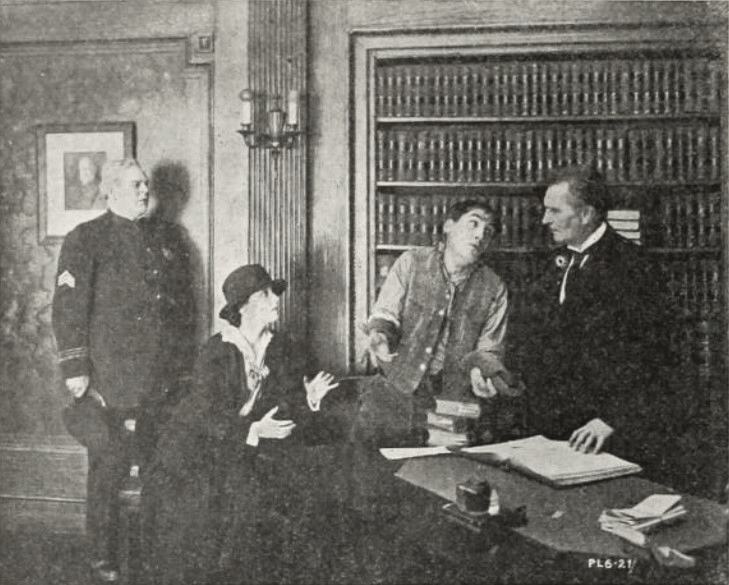
Visualizing the convergence of Donald Crisp's style and the core cult narrative.
Mr. Kendall, a wealthy man who had sent his infant son to a home after the death of his mother at birth, decides that it is time for his son to come home. On his carriage ride to the father he has never seen, however, the boy mysteriously disappears. At the same time, a woman deposits a little boy on the cart of Italian junk man Niccolo Darini, and then disappears. Niccolo becomes strongly attached to the waif, and although his neighbors advise him to take the child to the police, he refuses. Kendall posts a reward notice in the paper for the return of his son, and when Niccolo's rival for the hand of the beautiful Nita Lapi reads the notice, he tells the police of Niccolo's ward. Niccolo is forced to give up his little charge, which breaks his heart. However, the Kendall's rightful heir is found when a beggar, run over by a car, confesses on his death bed that the child with him is really the Kendall boy. Niccolo's beloved ward is then returned to him, along with a check from Kendall for $5,000 dollars. Niccolo's happiness is made complete when Nita agrees to marry him.
Decades after its release, Lost in Transit remains a vital piece of the cinematic puzzle. Its influence can be seen in countless modern works, solidifying Donald Crisp's status as a master of the craft in United States and beyond.