
DbcultAccessing Vault...
Director's Spotlight
Senior Film Conservator
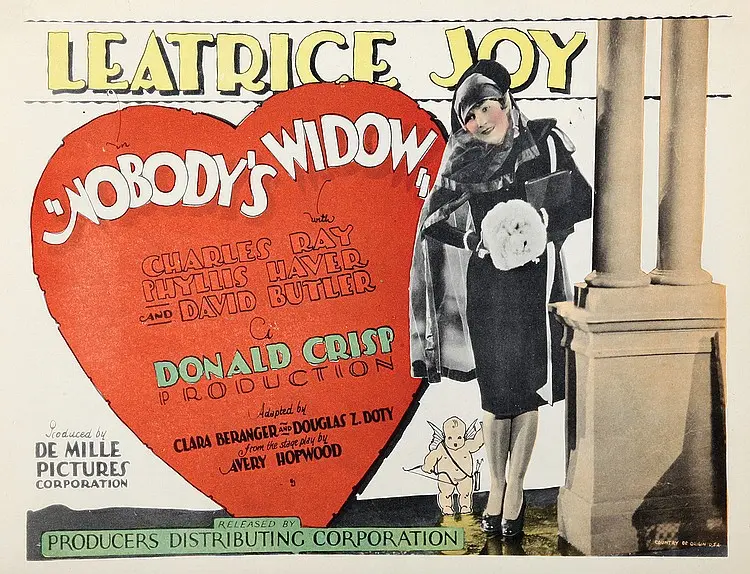
Director's Spotlight: United States
A Deep Dive into the 1927 Vision of Donald Crisp
Few works in United States cinema carry the same weight as Nobody's Widow, especially regarding the cultural zeitgeist captured so perfectly by Donald Crisp in 1927. Utilizing a 1927-specific aesthetic that remains timeless, it serves as a blueprint for future generations of Comedy directors.
In Nobody's Widow, Donald Crisp pushes the boundaries of conventional narrative. The film's unique approach to its subject matter has sparked endless debates and interpretations among cinephiles and critics alike.
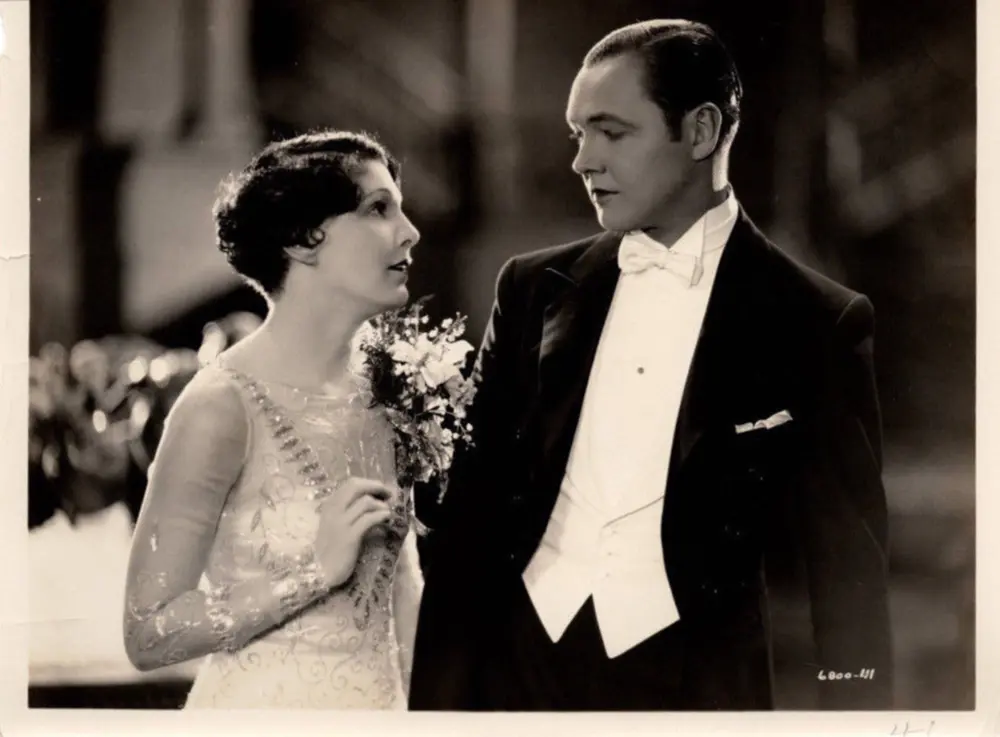
In this work, Donald Crisp explores the intersection of Comedy and United States cultural identity. The meticulous attention to detail suggests a deep-seated commitment to pushing the boundaries of the medium, ensuring that Nobody's Widow remains a relevant topic of study for Comedy enthusiasts.
| Cinematography | Static |
| Soundtrack | Synth-Heavy |
| Editing | Rhythmic |
| Art Direction | Naturalist |
Visualizing the convergence of Donald Crisp's style and the core Comedy narrative.
Roxanna is married to British official John Clayton, but when she catches John in the apparent embrace of another woman, Roxanna leaves England and goes to visit her friend Betty in America. There she tells people that her 'beloved' husband is dead. Betty's friends take to Roxanna, especially Ned, for whom Betty has strong feelings. Further complications arrive in the presence of John Clayton, who has followed Roxanna and now pretends to be the Duke of Morebay and another potential suitor for 'widowed' Roxanna.
Decades after its release, Nobody's Widow remains a vital piece of the cinematic puzzle. Its influence can be seen in countless modern works, solidifying Donald Crisp's status as a master of the craft in United States and beyond.