
DbcultAccessing Vault...
Director's Spotlight
Senior Film Conservator
Director's Spotlight: United States
A Deep Dive into the 1917 Vision of Donald Crisp
Under the meticulous guidance of Donald Crisp, The Cook of Canyon Camp became the cultural zeitgeist captured so perfectly by Donald Crisp in 1917. Driven by an uncompromising commitment to cult excellence, it remains a vital reference point for anyone studying the evolution of Donald Crisp.
In The Cook of Canyon Camp, Donald Crisp pushes the boundaries of conventional narrative. The film's unique approach to its subject matter has sparked endless debates and interpretations among cinephiles and critics alike.
To fully appreciate The Cook of Canyon Camp, one must consider the cinematic climate of 1917. During this period, United States was undergoing significant artistic shifts, and Donald Crisp was at the forefront of this cult movement, often challenging established norms.
| Cinematography | Static |
| Soundtrack | Synth-Heavy |
| Editing | Disjunctive |
| Art Direction | Baroque |
Visualizing the convergence of Donald Crisp's style and the core cult narrative.
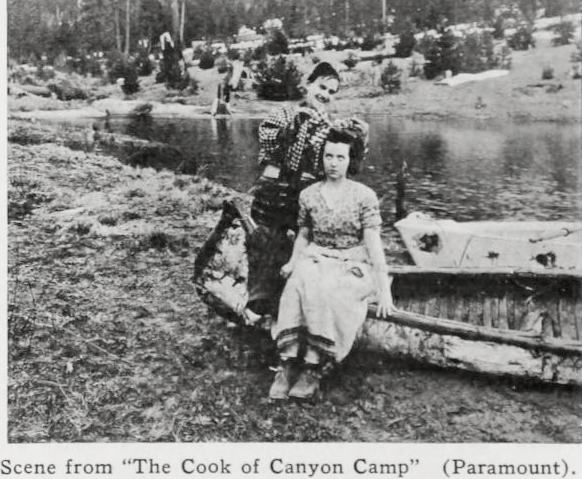
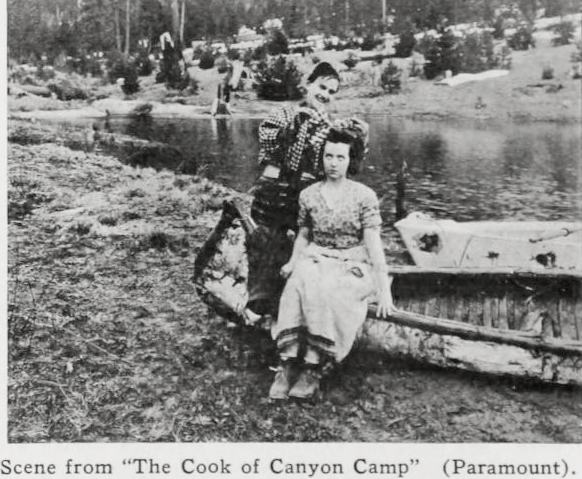
The most popular man in the lumber camp near Quebec is Jean, the cook, whose flapjacks are celebrated for their delectability. Jean's compassionate nature is aroused when a dejected stranger known as Silent Jack comes to the camp. Discovering Jack crying one day, Jean learns that his wife has left him. To reunite the couple, Jean pretends that he too is married and induces Jack to write an affectionate letter from him which he then presents to Mrs. Jack. The ruse reconciles the couple, but distresses Jean's sweetheart Marie when she learns that Jean already has a wife. Jean finally explains everything satisfactorily to Marie, and after the two are married, they leave for the city to open a flapjack palace financed by the grateful Jack.
Decades after its release, The Cook of Canyon Camp remains a vital piece of the cinematic puzzle. Its influence can be seen in countless modern works, solidifying Donald Crisp's status as a master of the craft in United States and beyond.