
DbcultAccessing Vault...
Director's Spotlight
Senior Film Conservator
Director's Spotlight: United States
A Deep Dive into the 1917 Vision of Donald Crisp
Exploring the cult underpinnings of The Countess Charming leads us to the stylistic boundaries pushed by Donald Crisp during the production. Through a lens of existential fatalism and cult tropes, it continues to spark endless debates among critics and cinephiles alike.
In The Countess Charming, Donald Crisp pushes the boundaries of conventional narrative. The film's unique approach to its subject matter has sparked endless debates and interpretations among cinephiles and critics alike.
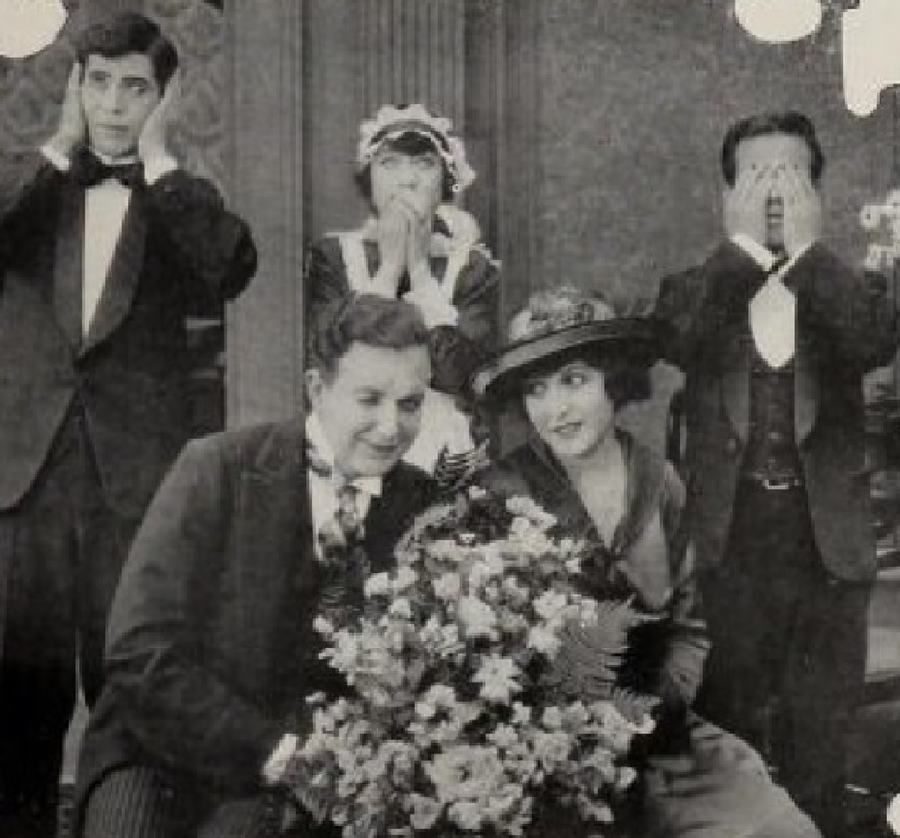
To fully appreciate The Countess Charming, one must consider the cinematic climate of 1917. During this period, United States was undergoing significant artistic shifts, and Donald Crisp was at the forefront of this cult movement, often challenging established norms.
| Cinematography | Static |
| Soundtrack | Orchestral |
| Editing | Invisible |
| Art Direction | Kitsch |
Visualizing the convergence of Donald Crisp's style and the core cult narrative.
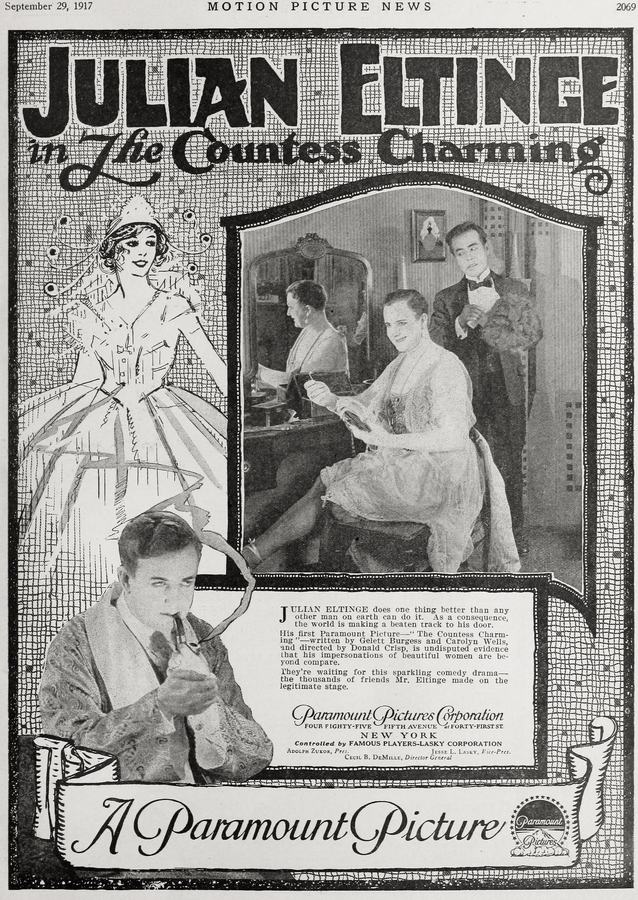
Wealthy young bachelor Stanley Jordan attends a Red Cross Benefit at the country club, where he meets and falls in love with Betty Lovering and unwittingly offends social leader Mrs. Vandergraft. Discovering that the Vandergrafts have initiated a campaign to ostracize him from the club, Jordan, incensed, decides to get even: he disguises himself as a Russian Countess and returns to the club, where he is wined and dined. As a member of society, he is welcomed into the homes of the rich, where he proceeds to steal their valuables and donate them to the Red Cross Fund. The series of thefts alarms the neighborhood, and a detective is hired. Just as the detective is closing in on the Countess, it is announced that the Russian has been a victim of assault and is lying on her deathbed. Betty, concerned, calls on the Countess, only to discover that she is none other than Stanley Jordan, the man she loves.
Decades after its release, The Countess Charming remains a vital piece of the cinematic puzzle. Its influence can be seen in countless modern works, solidifying Donald Crisp's status as a master of the craft in United States and beyond.