
DbcultAccessing Vault...
Director's Spotlight
Senior Film Conservator
Director's Spotlight: United States
A Deep Dive into the 1918 Vision of Donald Crisp
The brilliance of The Firefly of France (1918) is inseparable from a monumental shift in cult filmmaking spearheaded by Donald Crisp. Occupying a unique space between cult and pure art, it serves as a blueprint for future generations of cult directors.
In The Firefly of France, Donald Crisp pushes the boundaries of conventional narrative. The film's unique approach to its subject matter has sparked endless debates and interpretations among cinephiles and critics alike.
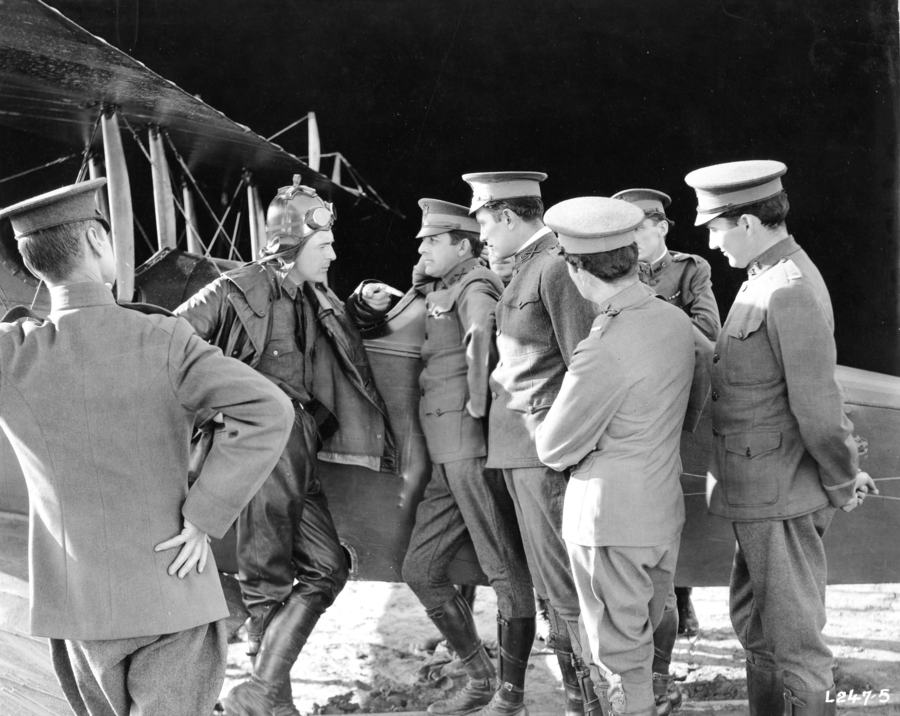
To fully appreciate The Firefly of France, one must consider the cinematic climate of 1918. During this period, United States was undergoing significant artistic shifts, and Donald Crisp was at the forefront of this cult movement, often challenging established norms.
| Cinematography | High-Contrast |
| Soundtrack | Synth-Heavy |
| Editing | Rhythmic |
| Art Direction | Naturalist |
Visualizing the convergence of Donald Crisp's style and the core cult narrative.
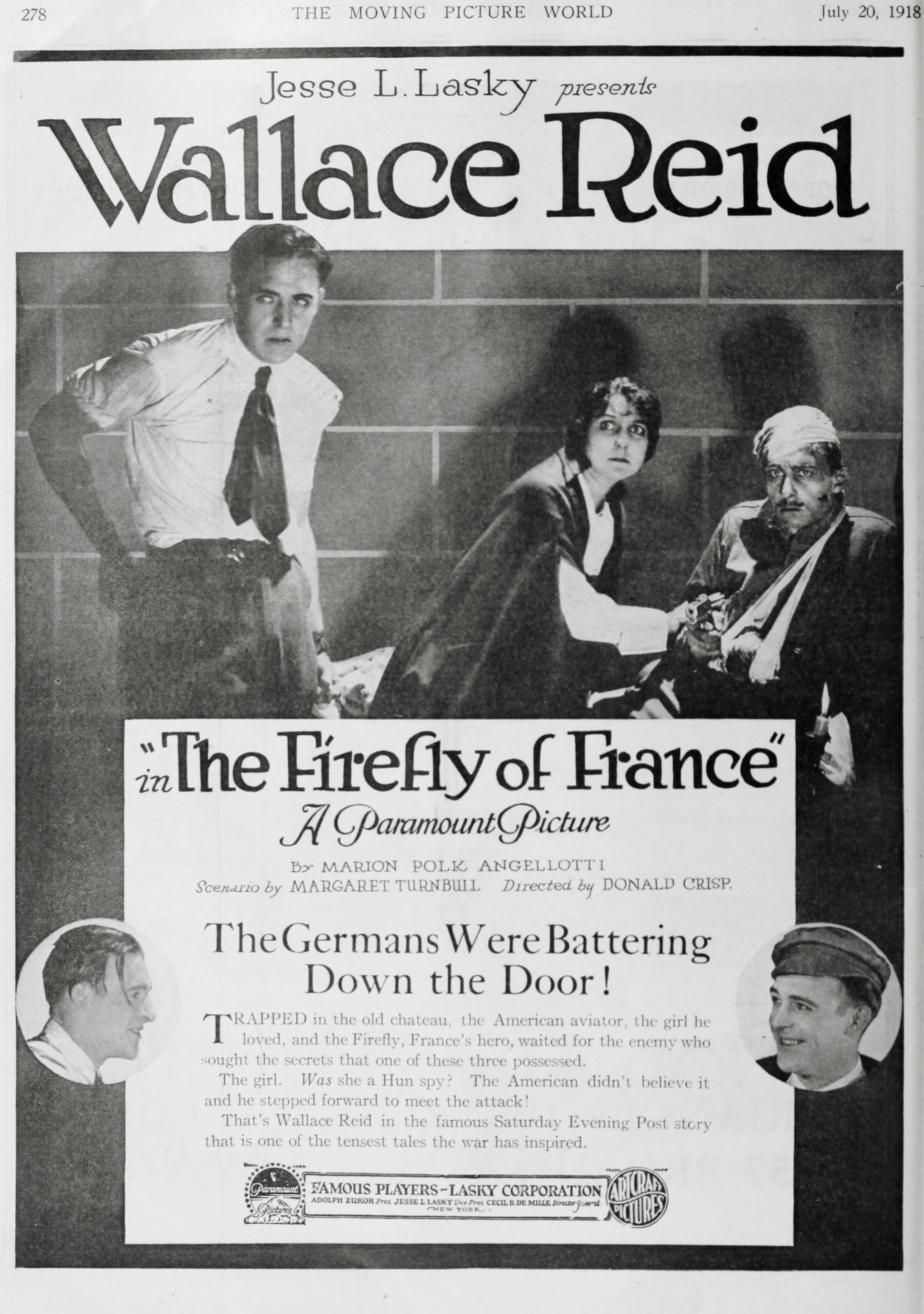
The Firefly of France, a famed Allied airman in the First World War, is lost while transporting valuable plans, and it is feared that he and the plans are now in the hands of the Germans. A member of the Lafayette Escadrille endeavors to find the Firefly and the plans, but encounters a mysterious girl and several German spies who want the same thing.
Decades after its release, The Firefly of France remains a vital piece of the cinematic puzzle. Its influence can be seen in countless modern works, solidifying Donald Crisp's status as a master of the craft in United States and beyond.