
DbcultAccessing Vault...
Director's Spotlight
Senior Film Conservator
Director's Spotlight: United States
A Deep Dive into the 1919 Vision of Donald Crisp
Deciphering the layers of Venus in the East (1919) reveals a monumental shift in cult filmmaking spearheaded by Donald Crisp. With its avant-garde structure and atmospheric tension, offering layers of thematic complexity that demand repeated viewing.
In Venus in the East, Donald Crisp pushes the boundaries of conventional narrative. The film's unique approach to its subject matter has sparked endless debates and interpretations among cinephiles and critics alike.

The visual language of Venus in the East is defined by its use of shadows and framing, a hallmark of Donald Crisp's style. By utilizing a 1919-era palette, the film creates an immersive experience that perfectly complements its cult themes.
| Cinematography | Deep Focus |
| Soundtrack | Diegetic |
| Editing | Rhythmic |
| Art Direction | Naturalist |
Visualizing the convergence of Donald Crisp's style and the core cult narrative.
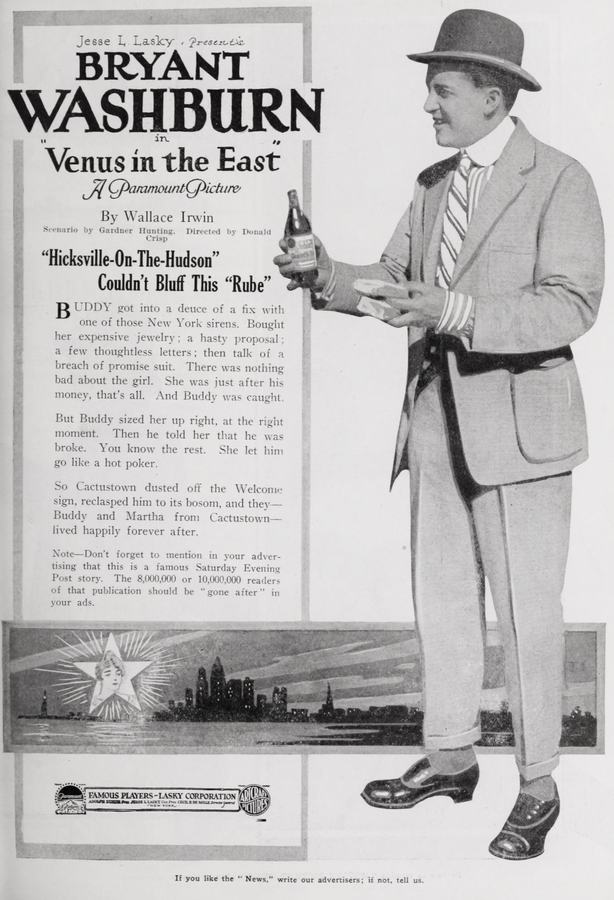
Buddy McNair is so enchanted by the newspaper photos of New York society beauty Mrs. Pat Dyvenot that he decides to leave Colorado with his newly inherited fortune, travel to New York, and win her heart. On the train, some gamblers, apparently aided by a pretty girl named Martha, cheat Buddy out of a large sum, and in New York, his lack of eastern polish makes him appear foolish.
Decades after its release, Venus in the East remains a vital piece of the cinematic puzzle. Its influence can be seen in countless modern works, solidifying Donald Crisp's status as a master of the craft in United States and beyond.