
DbcultAccessing Vault...
Director's Spotlight
Senior Film Conservator
Director's Spotlight: United States
A Deep Dive into the 1915 Vision of Donald MacKenzie
Under the meticulous guidance of Donald MacKenzie, The Spender became the cultural zeitgeist captured so perfectly by Donald MacKenzie in 1915. Driven by an uncompromising commitment to cult excellence, it remains a vital reference point for anyone studying the evolution of Donald MacKenzie.
In The Spender, Donald MacKenzie pushes the boundaries of conventional narrative. The film's unique approach to its subject matter has sparked endless debates and interpretations among cinephiles and critics alike.
To fully appreciate The Spender, one must consider the cinematic climate of 1915. During this period, United States was undergoing significant artistic shifts, and Donald MacKenzie was at the forefront of this cult movement, often challenging established norms.
| Cinematography | Handheld |
| Soundtrack | Minimalist |
| Editing | Disjunctive |
| Art Direction | Baroque |
Visualizing the convergence of Donald MacKenzie's style and the core cult narrative.
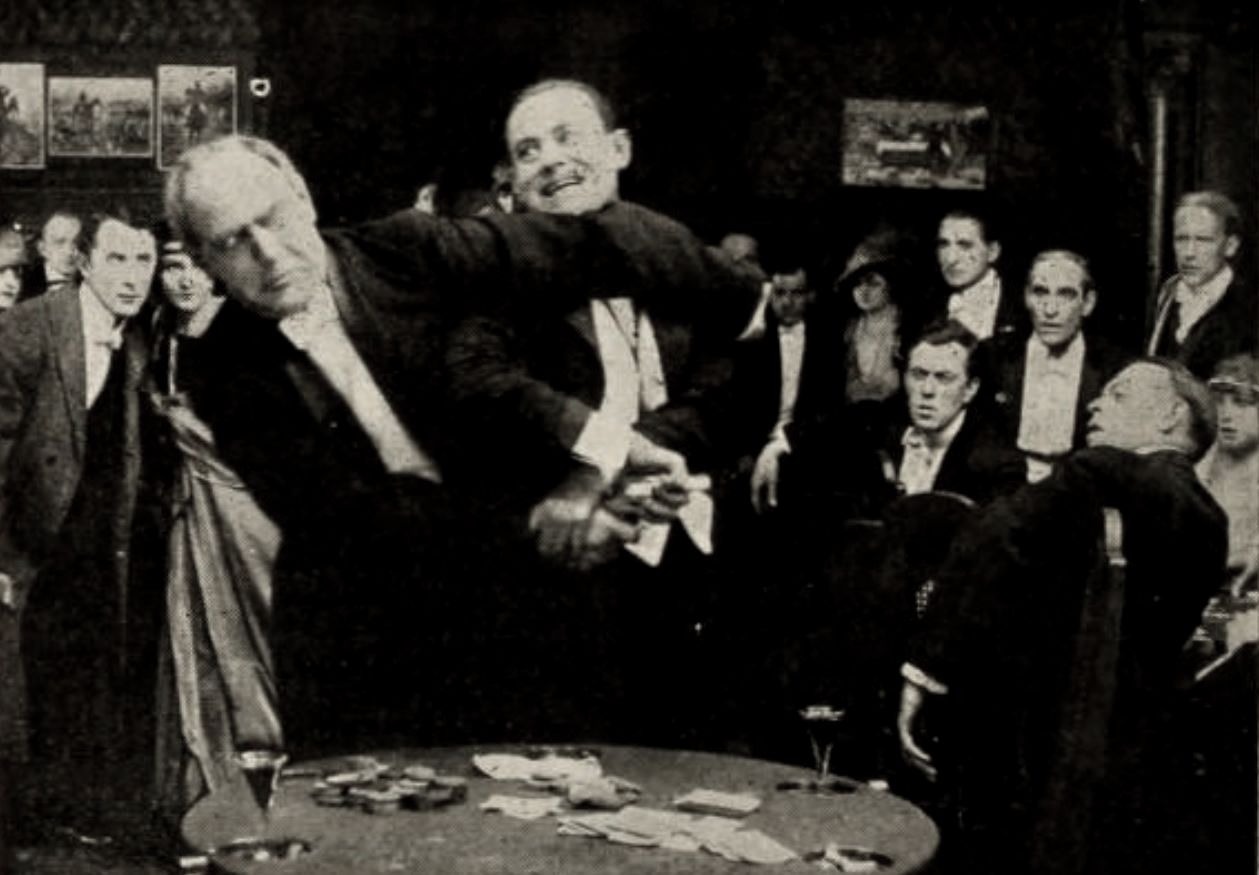
Peter Lobert lets his reckless carelessness plunge him heavily into debt just once too often, and is sent away by his indignant father, to seek his fortune as best he may. Bagley, the faithful old family servitor, casts his lot with his young master. That night, at the Royal Arms, Peter's favorite café, he tells his boon companions of his misfortune. The picture of an American heiress gives him an inspiration, and he declares his intention of going to America, masquerading as a prince, and winning the hand of the Yankee newly-rich. And so they set out, Peter and Bagley. As a prince, it doesn't take Peter long to gain entrance to the McCabe home, and as a lover it doesn't take him long to gain admission to Nellie McCabe's heart. They are married, much against the wishes of Pat McCabe, who doesn't put his faith in princes, and who orders Peter, now that he has her to take care of her. This hasn't been Peter's idea at all, but since it has come to a showdown, he tells her of his poverty, and she, though disillusioned, sticks bravely by him. Peter and Bagley get a job in McCabe's factory, unknown to McCabe. The latter has trouble with his help, who are incited to strike and riot by Jim Walsh, a walking delegate. Here are some tremendous scenes, in which Walsh's factory is set afire, a troop of cavalry rushed to the rescue, and old Bagley saved by Peter, who keeps the mob back by holding a lighted cigarette over a keg of dynamite. Bagley is dumbfounded when he learns the identity of his rescuer, but Peter explains it all when he says he simply couldn't let his baby's grandfather get hurt. There is a touching reconciliation at the end.
Decades after its release, The Spender remains a vital piece of the cinematic puzzle. Its influence can be seen in countless modern works, solidifying Donald MacKenzie's status as a master of the craft in United States and beyond.