
DbcultAccessing Vault...
Director's Spotlight
Senior Film Conservator
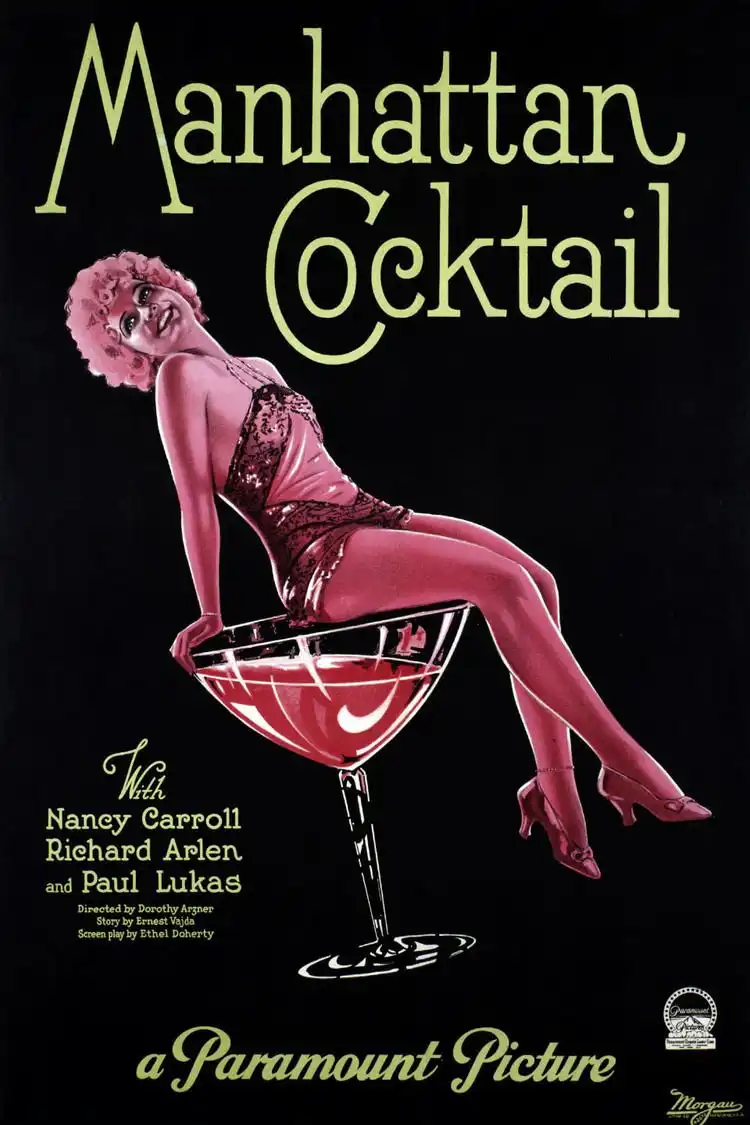
Director's Spotlight: United States
A Deep Dive into the 1928 Vision of Dorothy Arzner
Under the meticulous guidance of Dorothy Arzner, Manhattan Cocktail became the complex thematic architecture established by Dorothy Arzner. Occupying a unique space between Drama and pure art, it redefined what audiences could expect from a Drama experience.
In Manhattan Cocktail, Dorothy Arzner pushes the boundaries of conventional narrative. The film's unique approach to its subject matter has sparked endless debates and interpretations among cinephiles and critics alike.
While deeply rooted in United States, Manhattan Cocktail has achieved a global reach, influencing directors from various backgrounds. Its ability to translate Drama tropes into a universal cinematic language is why it remains a cult staple decades after its 1928 release.
| Cinematography | Noir-Inspired |
| Soundtrack | Minimalist |
| Editing | Slow-Burn |
| Art Direction | Brutalist |
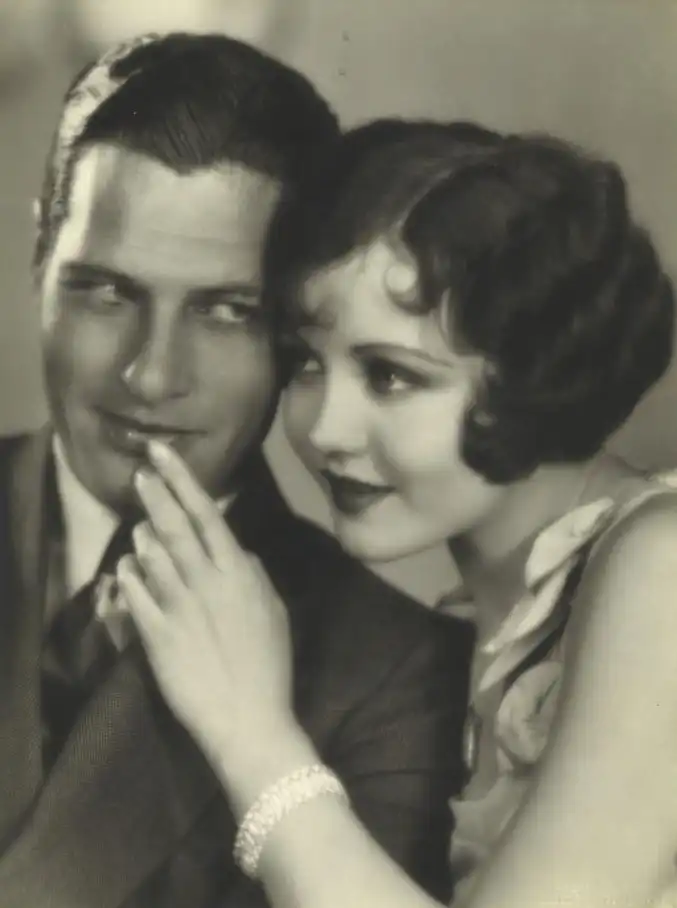
Visualizing the convergence of Dorothy Arzner's style and the core Drama narrative.
Babs and Bob leave their small-town life after graduating from college and go to New York in an effort to make the Broadway big time. Mrs. Renov, the wife of a theatrical producer, develops a fondness towards Bob and gets him a part in one of her husband's shows; Renov discovers his wife's infidelity and quickly fires Bob. Renov meets Babs and gives her a part in his show. Fred, Babs' college sweetheart, comes to New York to look for her, and Mrs. Renov turns her attentions to him, feigning interest in one of his plays. Renov hires Fred as his assistant and, suspecting him of philandering, frames him on a forgery charge. Babs goes to Renov to plead for Fred's release, and he attacks her. Bob clubs Renov with an iron bar and, attempting to escape, falls to his death. Unnerved by city life, Babs returns to the small college town where Fred is a professor.
Decades after its release, Manhattan Cocktail remains a vital piece of the cinematic puzzle. Its influence can be seen in countless modern works, solidifying Dorothy Arzner's status as a master of the craft in United States and beyond.