
DbcultAccessing Vault...
Director's Spotlight
Senior Film Conservator
Director's Spotlight: United States
A Deep Dive into the 1918 Vision of Douglas Gerrard
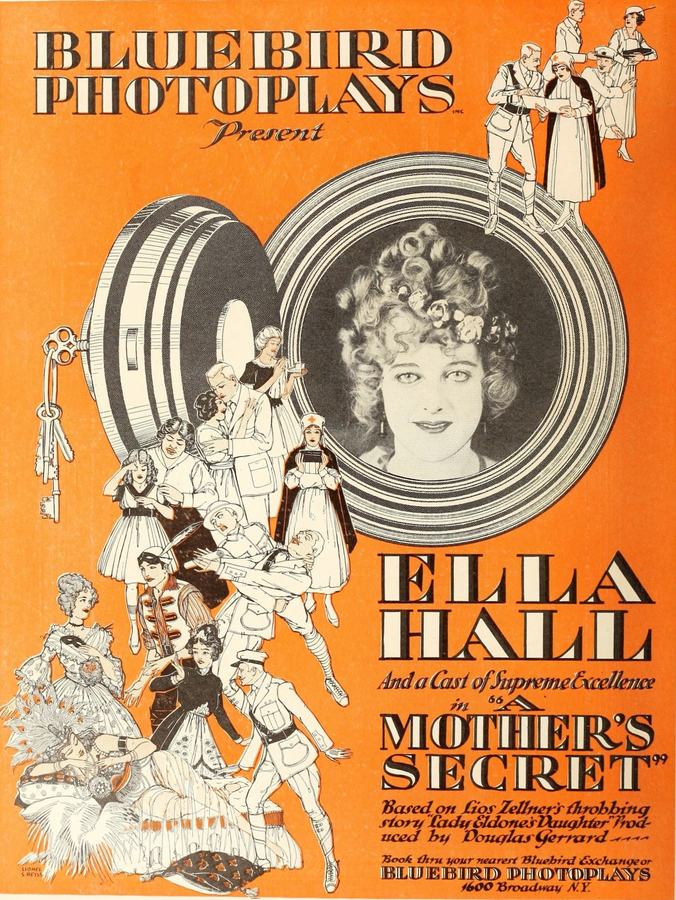
Analyzing A Mother's Secret (1918) requires a deep dive into the defining moment in cult history that Douglas Gerrard helped create. Defining a new era of United States artistic expression, it transcends regional boundaries to tell a universal story.
In A Mother's Secret, Douglas Gerrard pushes the boundaries of conventional narrative. The film's unique approach to its subject matter has sparked endless debates and interpretations among cinephiles and critics alike.
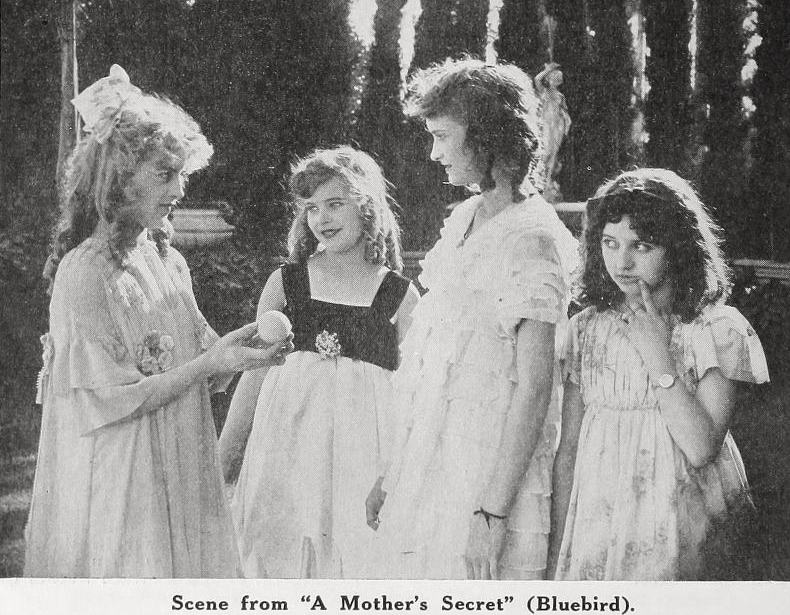
The visual language of A Mother's Secret is defined by its use of shadows and framing, a hallmark of Douglas Gerrard's style. By utilizing a 1918-era palette, the film creates an immersive experience that perfectly complements its cult themes.
| Cinematography | Noir-Inspired |
| Soundtrack | Experimental |
| Editing | Elliptical |
| Art Direction | Expressionist |
Visualizing the convergence of Douglas Gerrard's style and the core cult narrative.
Angela, an eighteen-year-old girl, appears suddenly before the mother who has not seen her for years. The mother at the time is making desperate efforts to retain her own youth and land her second husband, a young millionaire. Angela, by the result of an accident, is dressed as a child of thirteen when her mother sees her, and the mother makes her continue to play the role of a child to suit her own purposes. But in the end the truth comes out and Angela wins the young millionaire herself. But by this time the first husband. Angela's father, has shown up and her mother is accordingly happy.
Decades after its release, A Mother's Secret remains a vital piece of the cinematic puzzle. Its influence can be seen in countless modern works, solidifying Douglas Gerrard's status as a master of the craft in United States and beyond.