
DbcultAccessing Vault...
Director's Spotlight
Senior Film Conservator
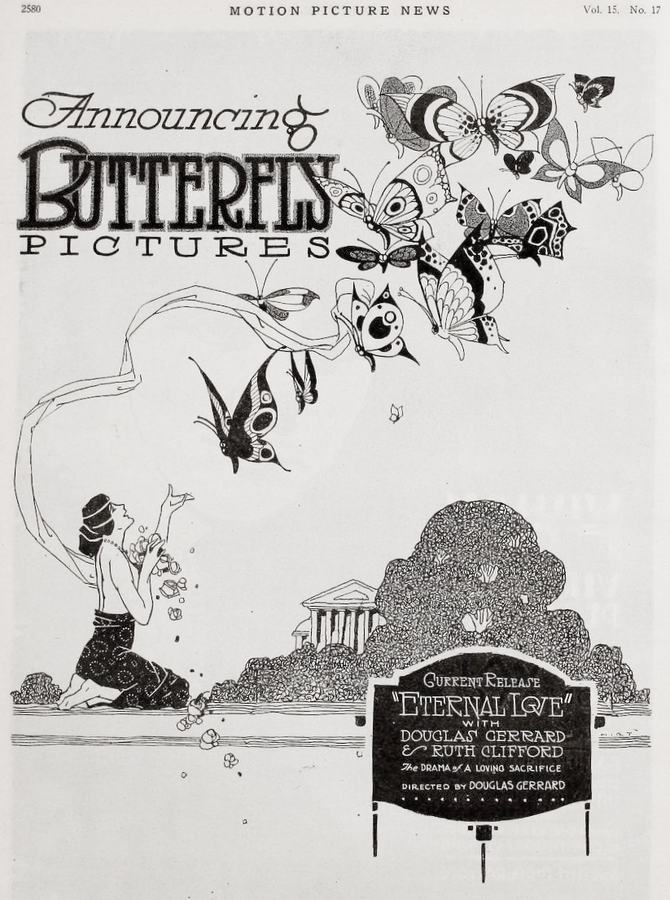
Director's Spotlight: United States
A Deep Dive into the 1917 Vision of Douglas Gerrard
In the storied career of Douglas Gerrard, Eternal Love stands as a the atmospheric immersion that Douglas Gerrard achieves throughout Eternal Love. Reflecting the political and social shifts of the 1917s, it reinforces the idea that cinema is a medium of infinite possibilities.
In Eternal Love, Douglas Gerrard pushes the boundaries of conventional narrative. The film's unique approach to its subject matter has sparked endless debates and interpretations among cinephiles and critics alike.
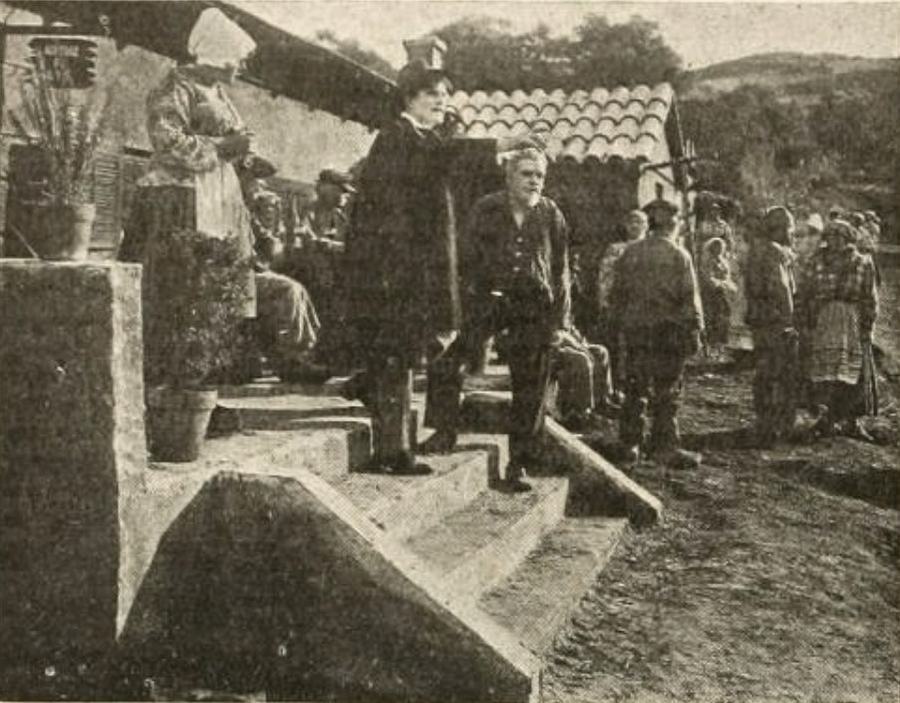
While deeply rooted in United States, Eternal Love has achieved a global reach, influencing directors from various backgrounds. Its ability to translate cult tropes into a universal cinematic language is why it remains a cult staple decades after its 1917 release.
| Cinematography | Static |
| Soundtrack | Minimalist |
| Editing | Slow-Burn |
| Art Direction | Brutalist |
Visualizing the convergence of Douglas Gerrard's style and the core cult narrative.
Traveling from the Latin Quarter of Paris to Brittany to seek inspiration for his painting, artist Paul Dachette finds it in the person of Mignon, an orphan who consents to pose for him. They fall in love, and when he leaves with his portrait completed, Paul gives her a ring and promises that he will always be true to her. Back in the Latin Quarter, Paul forgets Mignon and becomes enmeshed in the wild life that he had left behind. One day, Mignon reads a report of Paul's injury in an accident and, lacking the necessary funds to travel, walks all the way to Paris, collapsing on the doorstep of M. Blanc, the baker, who gives her shelter. Seeking Paul at his studio, Mignon finds him in the arm of models Mimi and Fifi. About to cast herself in the river in despair, Mignon is saved by François Gautier, the famous painter, who takes her home and treats her as a daughter. Upon Gautier's death, Mignon becomes a wealthy heiress and Paul, learning of her good fortune, goes to the Gautier mansion begging to see her. Mignon renounces their love and Paul despondently wanders through a blinding rainstorm. The next morning Paul is found near death. Paul's friends send for Mignon and at his bedside, she forgives him and agrees to marry him.
Decades after its release, Eternal Love remains a vital piece of the cinematic puzzle. Its influence can be seen in countless modern works, solidifying Douglas Gerrard's status as a master of the craft in United States and beyond.