
DbcultAccessing Vault...
Director's Spotlight
Senior Film Conservator
Director's Spotlight: United States
A Deep Dive into the 1919 Vision of Douglas Gerrard
The cult DNA of The Sealed Envelope is a reflection of United States's the subversive storytelling techniques employed by Douglas Gerrard in 1919. Breaking the traditional rules of cult engagement, it leaves an indelible mark on the soul of the viewer.
In The Sealed Envelope, Douglas Gerrard pushes the boundaries of conventional narrative. The film's unique approach to its subject matter has sparked endless debates and interpretations among cinephiles and critics alike.
| Cinematography | Deep Focus |
| Soundtrack | Minimalist |
| Editing | Disjunctive |
| Art Direction | Baroque |
Visualizing the convergence of Douglas Gerrard's style and the core cult narrative.
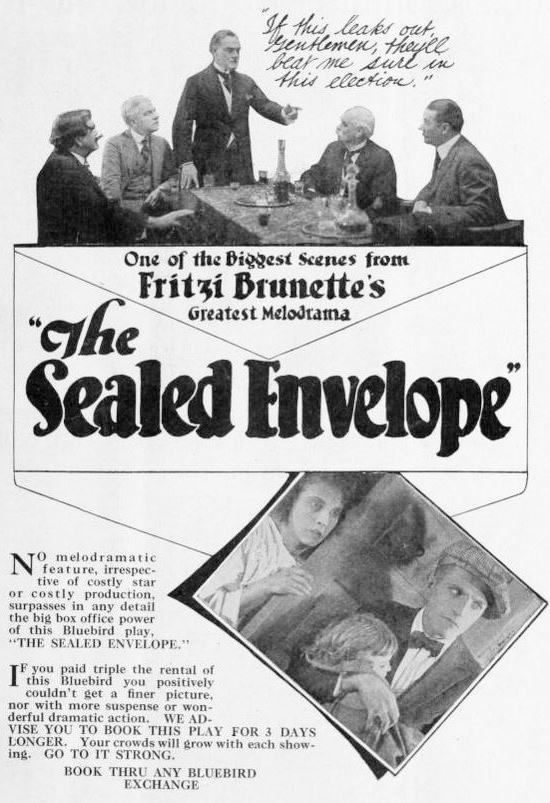
Peter James Slaney, just released from prison, is the only boarder who is kind to Lena, the maid at the cheap Paris Hotel. So that Lena can leave her abusive landlady, Slaney accepts $2,500 from a stranger, who threatens to send Slaney back to prison unless he undertakes a job. Slaney is sent to the home of political boss John Biggs with a sealed envelope which he is to open after entering. When a grieving child in the house complains of being mistreated by Biggs, Slaney takes her to Lena and throws the envelope away. When Slaney is later arrested, Lena and the child hide out. After Slaney's release, thugs beat him and he winds up in the county hospital. In the midst of a heated political campaign, Biggs submits to Lena's blackmailing, and Slaney learns that the brother of Bigg's divorced wife originally hired him to kidnap the child. After the child is returned to her mother, Slaney and Lena head for the country to start a new life.
Decades after its release, The Sealed Envelope remains a vital piece of the cinematic puzzle. Its influence can be seen in countless modern works, solidifying Douglas Gerrard's status as a master of the craft in United States and beyond.