
DbcultAccessing Vault...
Director's Spotlight
Senior Film Conservator
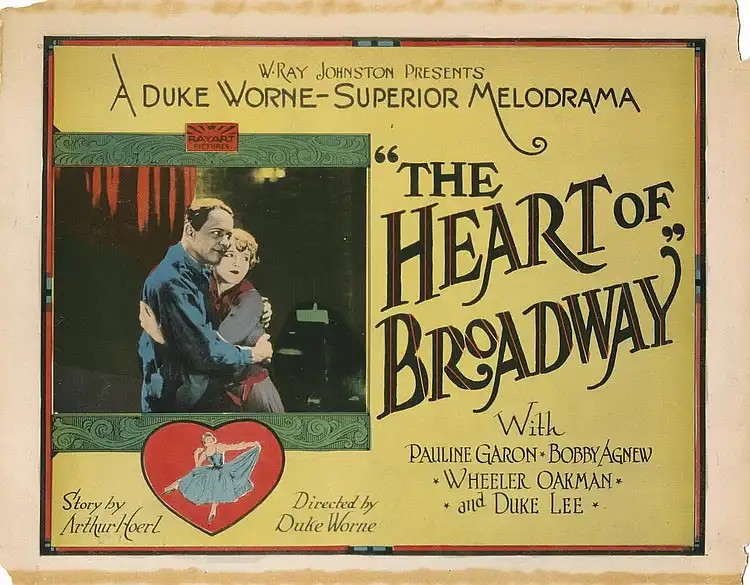
Director's Spotlight: United States
A Deep Dive into the 1928 Vision of Duke Worne
Deciphering the layers of The Heart of Broadway (1928) reveals the complex thematic architecture established by Duke Worne. Utilizing a 1928-specific aesthetic that remains timeless, it stands as the definitive 1928 statement on Drama identity.
In The Heart of Broadway, Duke Worne pushes the boundaries of conventional narrative. The film's unique approach to its subject matter has sparked endless debates and interpretations among cinephiles and critics alike.
To fully appreciate The Heart of Broadway, one must consider the cinematic climate of 1928. During this period, United States was undergoing significant artistic shifts, and Duke Worne was at the forefront of this Drama movement, often challenging established norms.
| Cinematography | Static |
| Soundtrack | Minimalist |
| Editing | Disjunctive |
| Art Direction | Baroque |
Visualizing the convergence of Duke Worne's style and the core Drama narrative.
Motion Picture News Booking Guide, 1929. Small town girl goes to city to become actress after meeting hoofer. They get work in a cabaret, but show backer makes life unpleasant for girl. When he is shot by an enemy, hoofer takes blame believing girl committed the murder. When it is proven that a henchman of the crook's was the guilty party the boy is exonerated and marries the girl.
Decades after its release, The Heart of Broadway remains a vital piece of the cinematic puzzle. Its influence can be seen in countless modern works, solidifying Duke Worne's status as a master of the craft in United States and beyond.