
DbcultAccessing Vault...
Director's Spotlight
Senior Film Conservator
Director's Spotlight: United States
A Deep Dive into the 1915 Vision of Duncan McRae
The 1915 release of Through Turbulent Waters marked a significant moment for the enduring legacy of Duncan McRae's artistic contribution to the genre. By challenging the status quo of 1915 cinema, it has cemented its place in the global cult cinema archive.
In Through Turbulent Waters, Duncan McRae pushes the boundaries of conventional narrative. The film's unique approach to its subject matter has sparked endless debates and interpretations among cinephiles and critics alike.
To fully appreciate Through Turbulent Waters, one must consider the cinematic climate of 1915. During this period, United States was undergoing significant artistic shifts, and Duncan McRae was at the forefront of this cult movement, often challenging established norms.
| Cinematography | High-Contrast |
| Soundtrack | Experimental |
| Editing | Elliptical |
| Art Direction | Expressionist |
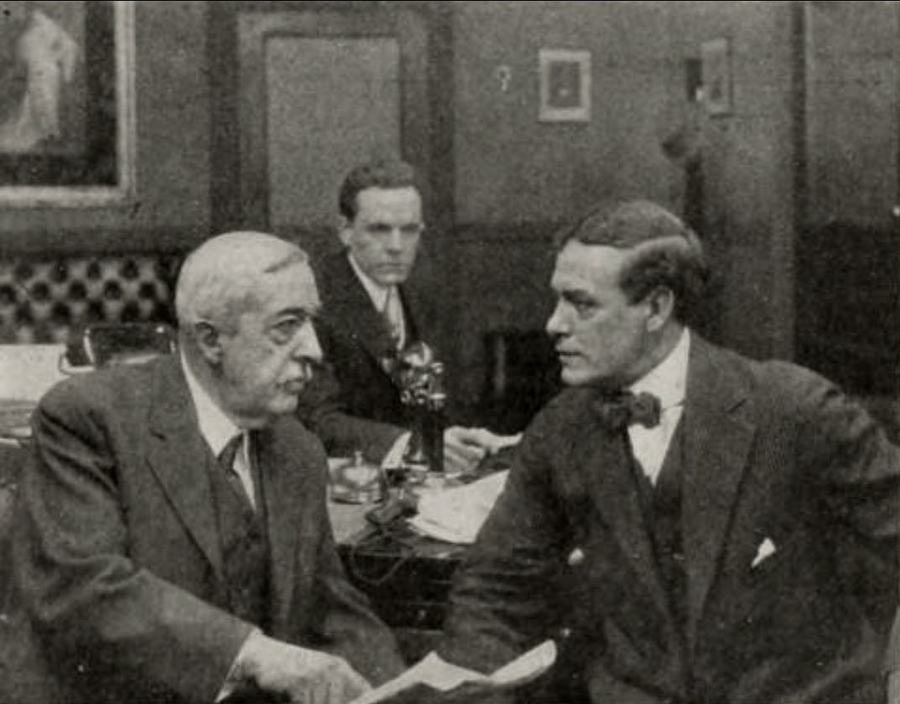
Visualizing the convergence of Duncan McRae's style and the core cult narrative.
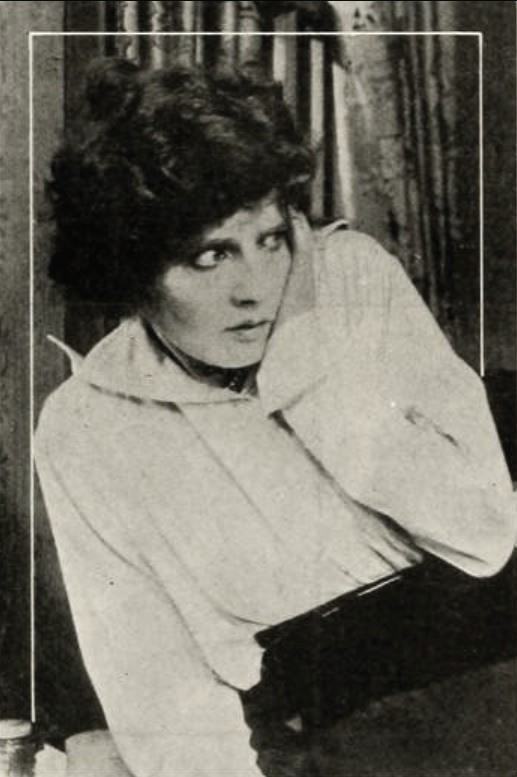
The West is the stamping ground for Paul Temple and his thespian associates. He is talking with his sweetheart Jane Dinsmore as Jane's dear friend Alice Robinson enters with a letter from an erstwhile associate, advising her to go to New York and accept a place in the chorus. A word from Temple, and Alice has made up her mind: She leaves for New York. Temple and Jane have been married some time and are living unhappily, apart from the old folks. Temple's reputation as a serious actor is wide, but drink has degraded him, and Jane dies after years of abuse from him. Shortly before her death she had sent her father a telegram describing the wretched conditions under which she was living, and the information prompts Dinsmore to go to her. when he arrives at the Temples' address, the landlady reports his daughter's persecution and death, and he swears to avenge his daughter. Alice is contented with her place as a member of a cheap stock company. The dissipated Temple has come to New York and is engaged as the lead man of Alice's company. Alice is surprised to see him but he mourns the loss of his "poor wife" and explains that he has changed his name to Delaney for professional reasons, and Alice accepts his explanation. Attracted by her beauty and recognizing in her much latent talent, Temple promises to make her a great actress and she fails under his hypnotic influence. James Montrose, a producer, and Frank Wentworth, his lawyer, see the play in which Temple, now known as Delaney, is starring and choose him for their new Broadway vehicle "The Lesson." Delaney is engaged, and through his influence, Alice is retained to play the ingenue lead. He goes through a sham form of marriage with Alice, hiring a man named Ford to act as a parson Night after night, Delaney coaches Alice until she plays the part almost perfectly. Her big scene is in the last act, when she fires at Delaney as the curtain falls. All this time Dinsmore has been scouring the West for a trace of Temple, not knowing that he has changed his name. The play is a signal success. The first night brands Alice as a star. By chance Dinsmore, who has come to New York, sees a photograph of Delaney with Alice, and after investigation, learns that he is starring in "The Lesson." He thereupon writes a number of notes to the star threatening him. The receipt of these letters has begun to undermine Delaney's nervous system. Then Alice comes upon Ford demanding from Delaney the rest of the money for performing the mock wedding. Discovering that she is not actually married to him, she expresses the wish that real bullets be in the stage revolver at the performance at the theater that evening. After several notes have been sent, Dinsmore conceives a plan to avenge his daughter's death and forges a pass which admits him backstage in the theater where Delaney is playing. He replaces the blank cartridges in the revolver with real bullets, and Alice shoots Delaney to death. She is arrested and held on the strength of a statement from the maid, who heard her express the wish about real bullets in the revolver. Dinsmore, reading of Alice's arrest in the paper, telephones Wentworth, now handling Alice's case, and without disclosing his identity, he confesses he was responsible and Alice is released. Dinsmore, realizing that there is now nothing more to live for, commits suicide. Wentworth, having long since shown affection for Alice, is now accepted by her.
Decades after its release, Through Turbulent Waters remains a vital piece of the cinematic puzzle. Its influence can be seen in countless modern works, solidifying Duncan McRae's status as a master of the craft in United States and beyond.