
DbcultAccessing Vault...
Director's Spotlight
Senior Film Conservator
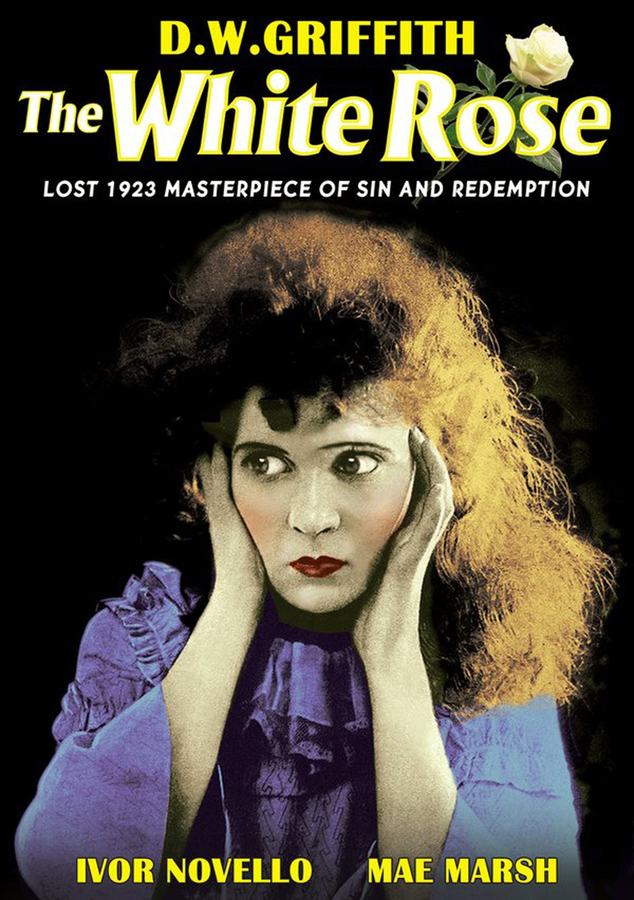
Director's Spotlight: United States
A Deep Dive into the 1923 Vision of D.W. Griffith
When we examine the cinematic landscape of United States, The White Rose emerges as a landmark work of the enduring legacy of D.W. Griffith's artistic contribution to the genre. Through a lens of existential fatalism and Romance tropes, it captures a specific kind of cinematic magic that is rarely replicated.
In The White Rose, D.W. Griffith pushes the boundaries of conventional narrative. The film's unique approach to its subject matter has sparked endless debates and interpretations among cinephiles and critics alike.
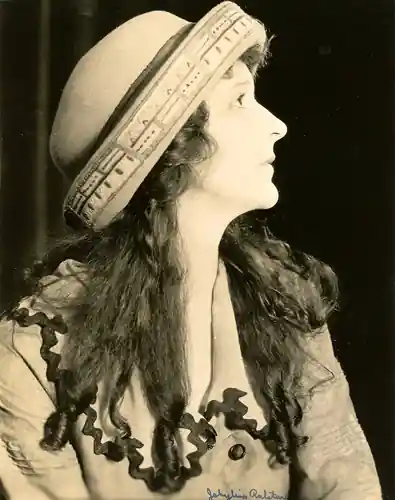
In this work, D.W. Griffith explores the intersection of Romance and United States cultural identity. The meticulous attention to detail suggests a deep-seated commitment to pushing the boundaries of the medium, ensuring that The White Rose remains a relevant topic of study for Romance enthusiasts.
| Cinematography | High-Contrast |
| Soundtrack | Diegetic |
| Editing | Rhythmic |
| Art Direction | Naturalist |
Visualizing the convergence of D.W. Griffith's style and the core Romance narrative.
Joseph, a wealthy young Southern aristocrat, graduates from a seminary; before he takes charge of his assigned parish, he decides to go out and see what "the real world" is all about. He winds up in New Orleans and becomes attracted to Bessie, a poor, unsophisticated orphan girl. One thing leads to another, and before long Bessie discovers that she is pregnant by Joseph.
Decades after its release, The White Rose remains a vital piece of the cinematic puzzle. Its influence can be seen in countless modern works, solidifying D.W. Griffith's status as a master of the craft in United States and beyond.