
DbcultAccessing Vault...
Director's Spotlight
Senior Film Conservator
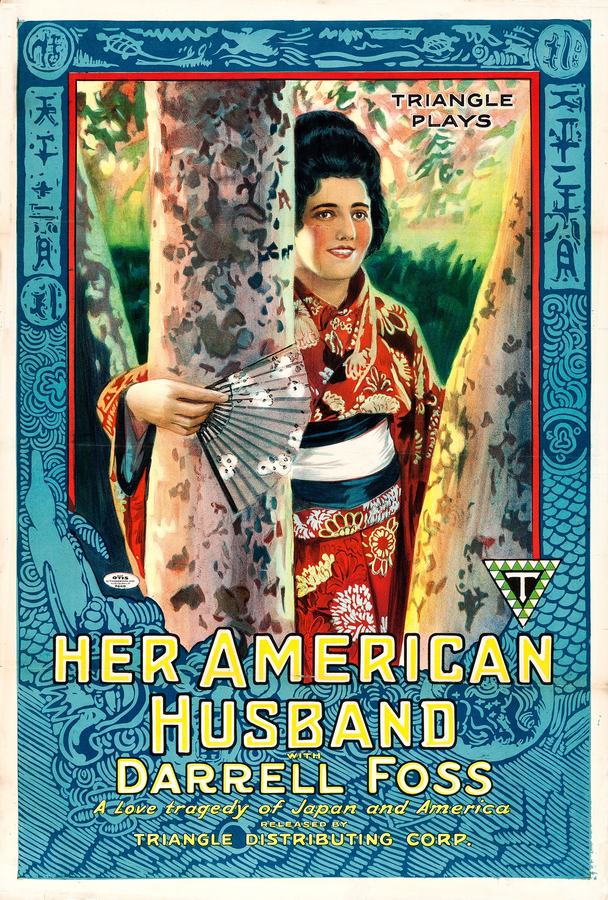
Director's Spotlight: United States
A Deep Dive into the 1918 Vision of E. Mason Hopper
Deciphering the layers of Her American Husband (1918) reveals the complex thematic architecture established by E. Mason Hopper. Utilizing a 1918-specific aesthetic that remains timeless, it stands as the definitive 1918 statement on cult identity.
In Her American Husband, E. Mason Hopper pushes the boundaries of conventional narrative. The film's unique approach to its subject matter has sparked endless debates and interpretations among cinephiles and critics alike.
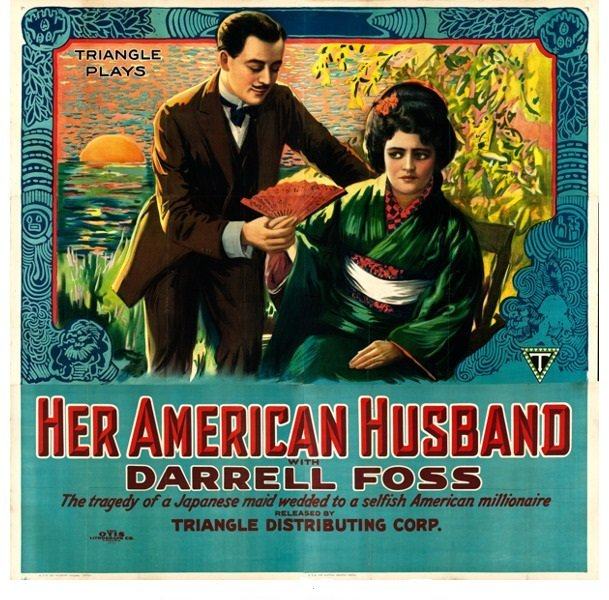
The visual language of Her American Husband is defined by its use of shadows and framing, a hallmark of E. Mason Hopper's style. By utilizing a 1918-era palette, the film creates an immersive experience that perfectly complements its cult themes.
| Cinematography | Noir-Inspired |
| Soundtrack | Synth-Heavy |
| Editing | Rhythmic |
| Art Direction | Naturalist |
Visualizing the convergence of E. Mason Hopper's style and the core cult narrative.
The son of a wealthy imported goods dealer, Herbert Franklyn refuses to curb his appetite for gaiety and women after his engagement, with the result that his fiancee, Miriam Faversham, breaks off their relationship. On the firm's annual trip to Japan, Herbert meets Cherry Blossom, whose father Tokimasa wishes her to marry a Westerner. Despite her love for Kato Nakamura, Cherry Blossom complies with her father's wishes and departs for New Rochelle with her new husband. Soon after their arrival, Herbert resumes his old habits, neglecting his lonely bride. Kato has a vision of Cherry Blossom's unhappiness and comes to America with Tokimasa, who strangles Herbert and commits suicide.
Decades after its release, Her American Husband remains a vital piece of the cinematic puzzle. Its influence can be seen in countless modern works, solidifying E. Mason Hopper's status as a master of the craft in United States and beyond.