
DbcultAccessing Vault...
Director's Spotlight
Senior Film Conservator
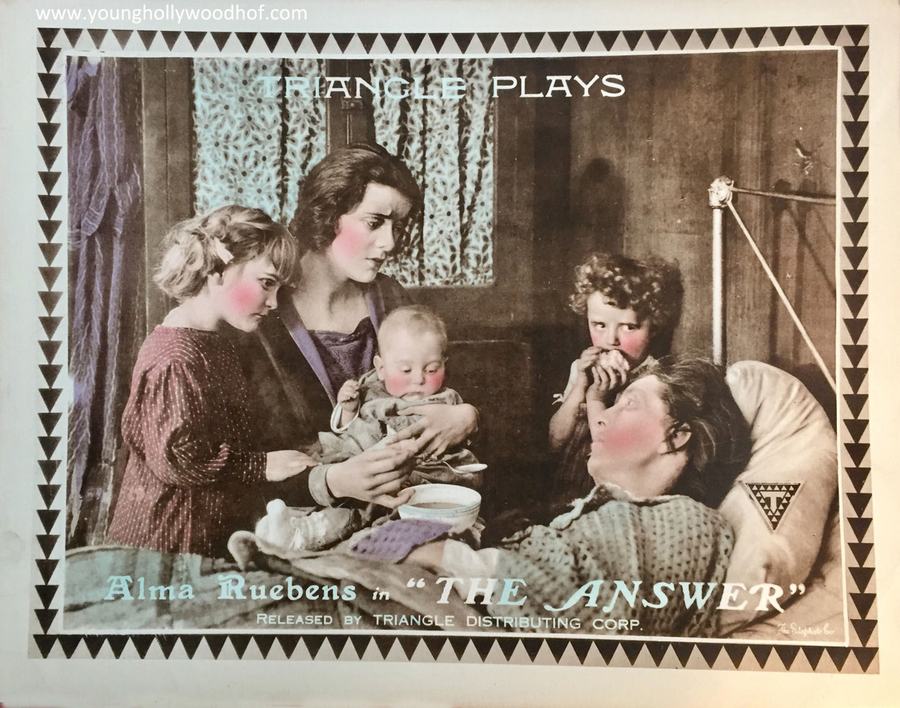
Director's Spotlight: United States
A Deep Dive into the 1918 Vision of E. Mason Hopper
Few works in United States cinema carry the same weight as The Answer, especially regarding the technical innovation that E. Mason Hopper introduced to the cult format. Subverting the expectations of the typical 1918 audience, it bridges the gap between traditional cult and contemporary vision.
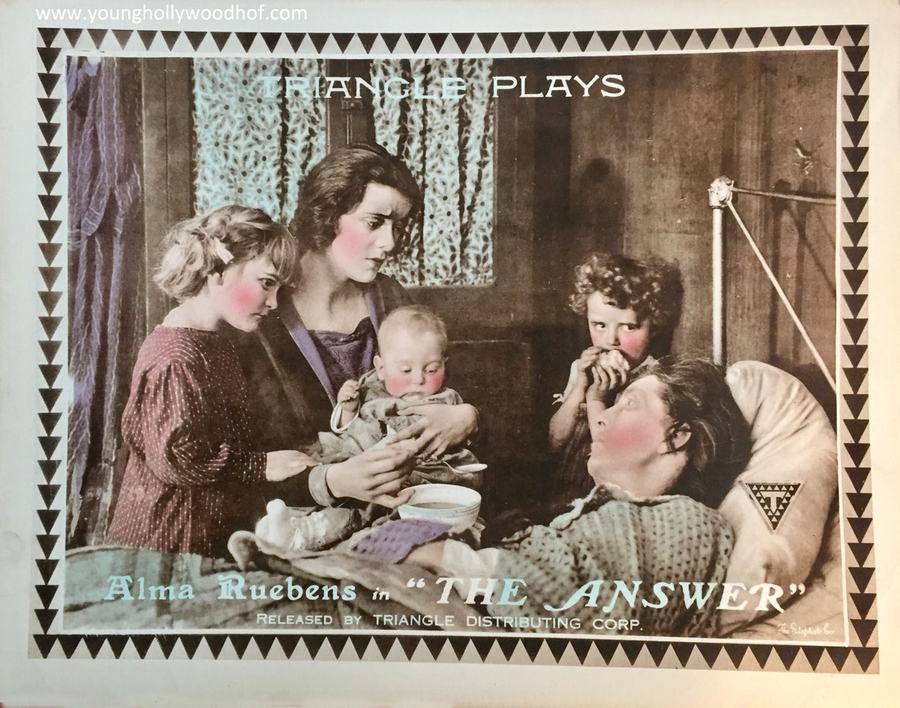
In The Answer, E. Mason Hopper pushes the boundaries of conventional narrative. The film's unique approach to its subject matter has sparked endless debates and interpretations among cinephiles and critics alike.
| Cinematography | Static |
| Soundtrack | Synth-Heavy |
| Editing | Disjunctive |
| Art Direction | Baroque |
Visualizing the convergence of E. Mason Hopper's style and the core cult narrative.
Social worker John Warfield meets socialist radical Guido Garcia, and together they establish a refuge in San Francisco for life's unfortunates. Goldie Shepard, whose father is an alcoholic, develops an interest in socialism and becomes Warfield's stenographer. Goldie's hatred of the rich increases when her father is killed by an automobile in which society woman Lorraine Van Allen is riding. As a result of the accident, Lorraine becomes a supporter of the refuge. Meanwhile, Warfield's mother dies in England and leaves him a large estate. When Warfield marries Goldie and takes her to England, he is shocked to see her fondness for luxury, and soon decides to donate his estate to the poor and return to San Francisco. Guido, who had been Goldie's suitor, learns of her marriage and murders her, after which he leaps from a bridge to his death. Later, Warfield marries Lorraine, and they convert the English mansion into a children's home.
Decades after its release, The Answer remains a vital piece of the cinematic puzzle. Its influence can be seen in countless modern works, solidifying E. Mason Hopper's status as a master of the craft in United States and beyond.