
DbcultAccessing Vault...
Director's Spotlight
Senior Film Conservator
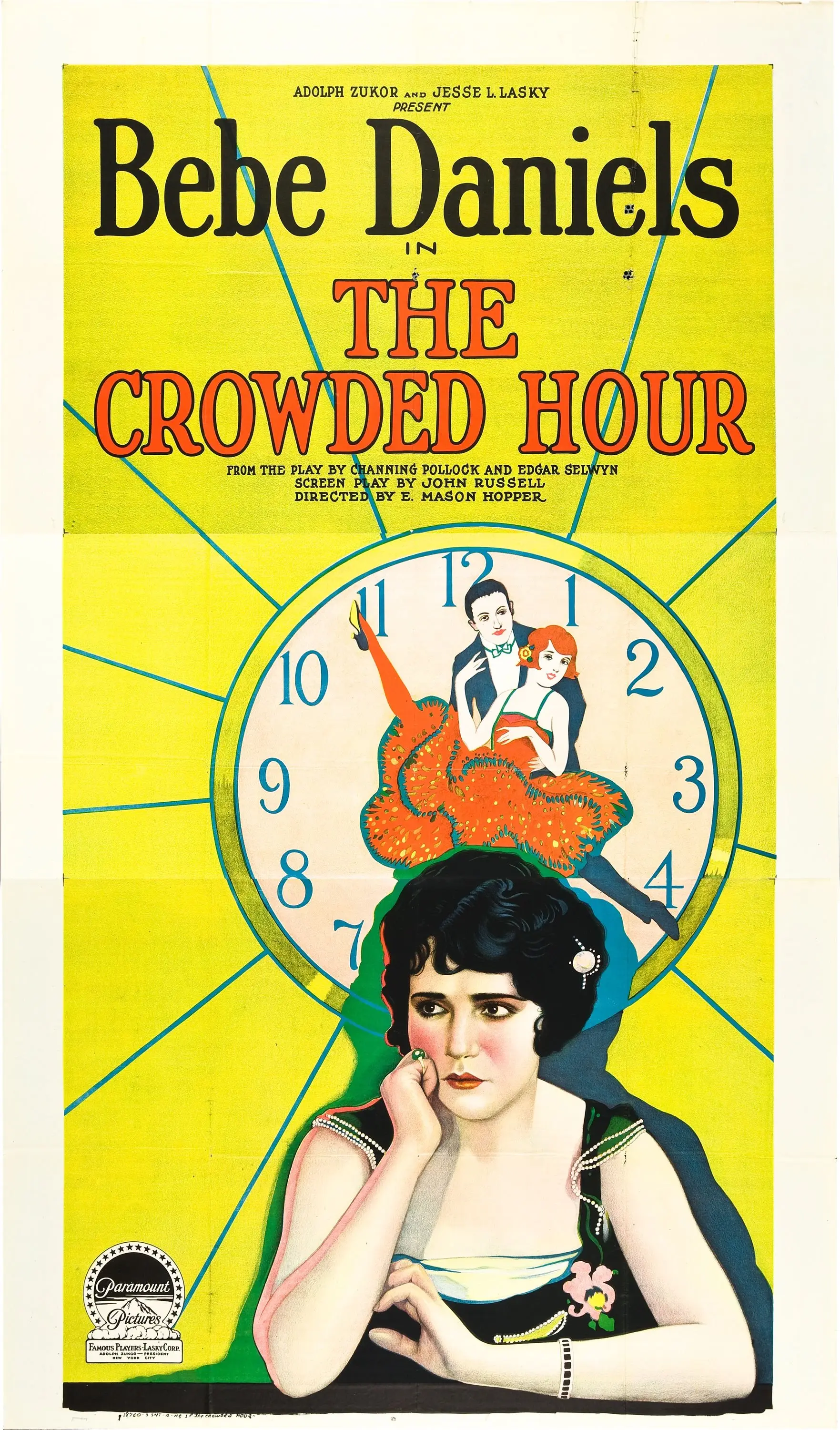
Director's Spotlight: United States
A Deep Dive into the 1925 Vision of E. Mason Hopper
Exploring the War underpinnings of The Crowded Hour leads us to the stylistic boundaries pushed by E. Mason Hopper during the production. Through a lens of existential fatalism and War tropes, it continues to spark endless debates among critics and cinephiles alike.
In The Crowded Hour, E. Mason Hopper pushes the boundaries of conventional narrative. The film's unique approach to its subject matter has sparked endless debates and interpretations among cinephiles and critics alike.
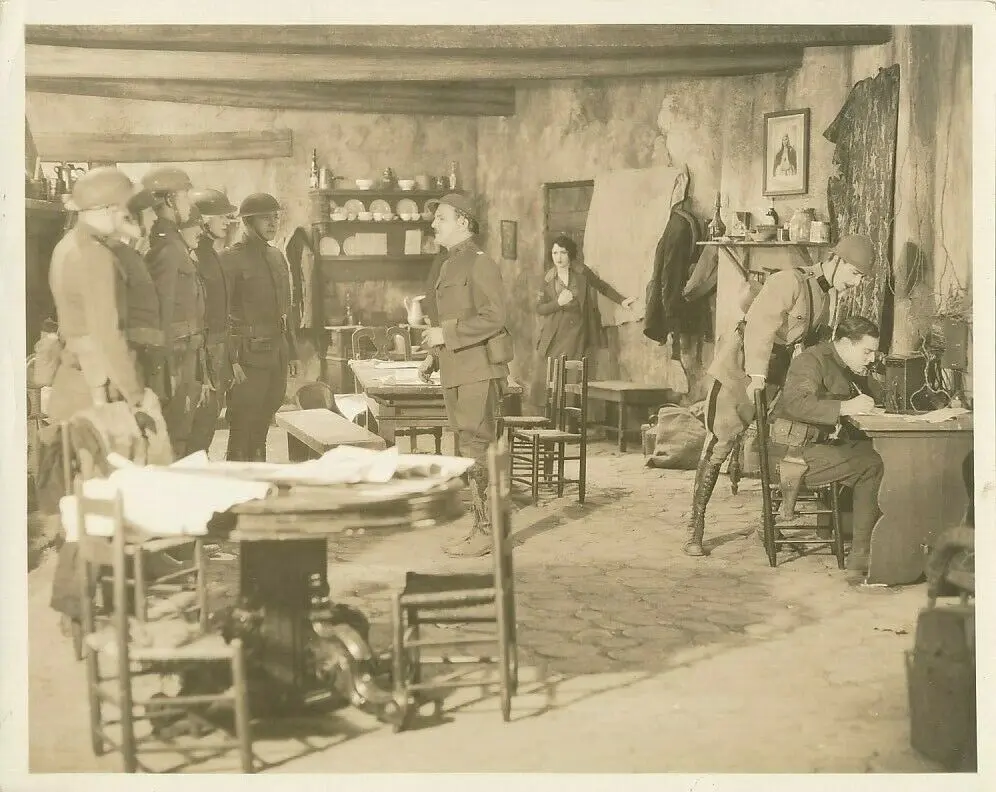
The visual language of The Crowded Hour is defined by its use of shadows and framing, a hallmark of E. Mason Hopper's style. By utilizing a 1925-era palette, the film creates an immersive experience that perfectly complements its War themes.
| Cinematography | Deep Focus |
| Soundtrack | Minimalist |
| Editing | Disjunctive |
| Art Direction | Baroque |
Visualizing the convergence of E. Mason Hopper's style and the core War narrative.
Telephone operator Peggy, puts on an act with Matt Wilde at a Bowery amateur night and is seen by Billy Laidlaw, who becomes convinced of her talents. Billy subsequently arranges for the Broadway debut of the act and falls in love with Peggy, who wholeheartedly returns his affection. When the World War breaks out, Billy remains unconcerned until his younger brother is killed in action. Billy then immediately enlists and is sent to France; Peggy joins the Red Cross to be with him, and Grace Laidlaw, Billy's wife, also goes to France, working with the Y. M. C. A. Billy is assigned to destroy an ammunition dump, and Peggy learns, after he has left on the mission, that he has been recalled. The phone lines are down, and Peggy volunteers to go after Billy herself. She is soon faced with having to decide between his life and the lives of a whole battalion. She chooses to sacrifice him and is herself temporarily blinded as a consequence. Peggy is nursed back to health by Grace, who wins her sympathy and respect. When Billy unexpectedly shows up unharmed, Peggy sends him back to his wife, giving up her happiness for that of the couple she has come to love.
Decades after its release, The Crowded Hour remains a vital piece of the cinematic puzzle. Its influence can be seen in countless modern works, solidifying E. Mason Hopper's status as a master of the craft in United States and beyond.