
DbcultAccessing Vault...
Director's Spotlight
Senior Film Conservator
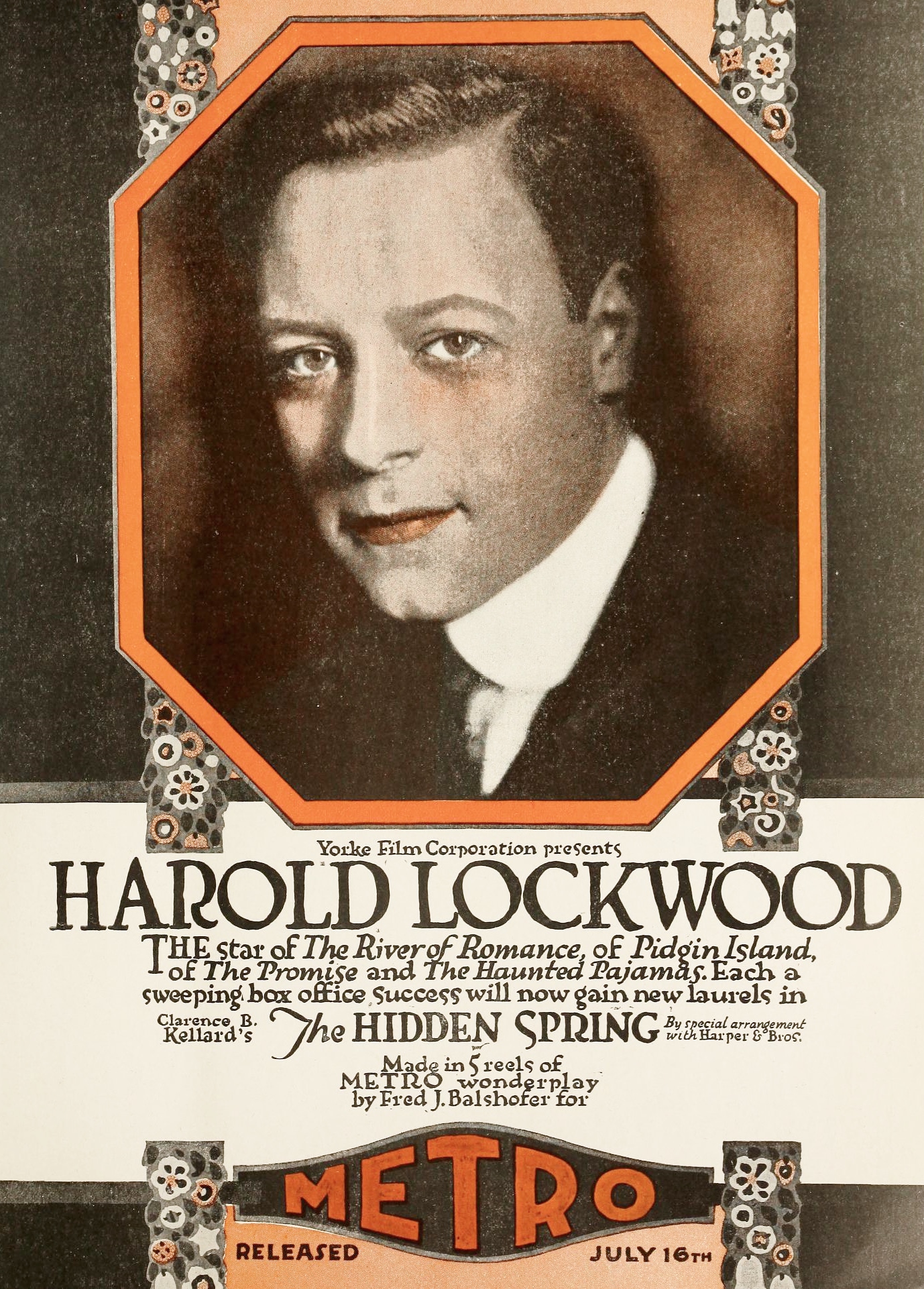
Director's Spotlight: United States
A Deep Dive into the 1917 Vision of E. Mason Hopper
Peeling back the layers of E. Mason Hopper's The Hidden Spring exposes the technical innovation that E. Mason Hopper introduced to the cult format. Driven by an uncompromising commitment to cult excellence, it stands as the definitive 1917 statement on cult identity.
In The Hidden Spring, E. Mason Hopper pushes the boundaries of conventional narrative. The film's unique approach to its subject matter has sparked endless debates and interpretations among cinephiles and critics alike.
The visual language of The Hidden Spring is defined by its use of shadows and framing, a hallmark of E. Mason Hopper's style. By utilizing a 1917-era palette, the film creates an immersive experience that perfectly complements its cult themes.
| Cinematography | High-Contrast |
| Soundtrack | Diegetic |
| Editing | Elliptical |
| Art Direction | Expressionist |
Visualizing the convergence of E. Mason Hopper's style and the core cult narrative.
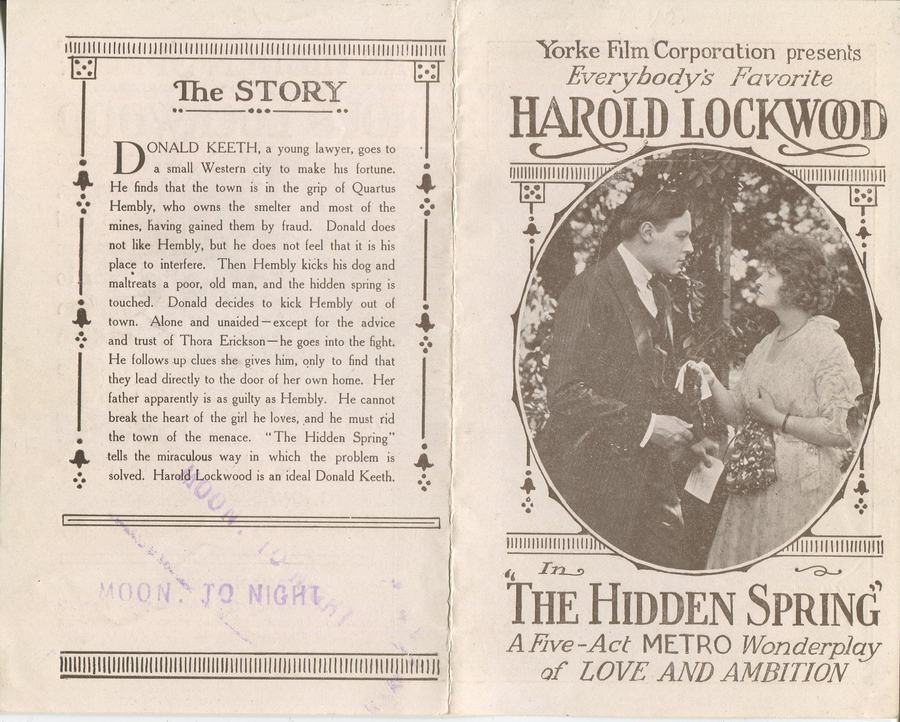
Quartus Hembly, a man without a conscience, is the ruler of the town of Copper City, having made himself rich at the expense of his workers. When Donald Keith, a young lawyer, arrives in town, a hidden spring within him is touched after Hembly viciously kicks his dog. Keith refuses to leave town and warns Hembly that he will fight to see that the people get their rights. Keith's only ally is Thora Erickson, the daughter of Hembly's henchman. Keith's opportunity to topple Hembly presents itself when he rescues Bill Wheeler, who, out of gratitude, confesses that it was Hembly who dynamited the log jam years earlier. With the lawyers and the courts in the palm of his hand, Hembly is acquitted, but the townspeople are so outraged that they capture Hembly and tie him to the whipping post. He is rescued by Keith, who forces a full confession for all Hembly's crimes and then allows him to leave town. Keith is then made district attorney, Thora becomes his bride, and Copper City becomes a decent place in which to live.
Decades after its release, The Hidden Spring remains a vital piece of the cinematic puzzle. Its influence can be seen in countless modern works, solidifying E. Mason Hopper's status as a master of the craft in United States and beyond.