
DbcultAccessing Vault...
Director's Spotlight
Senior Film Conservator
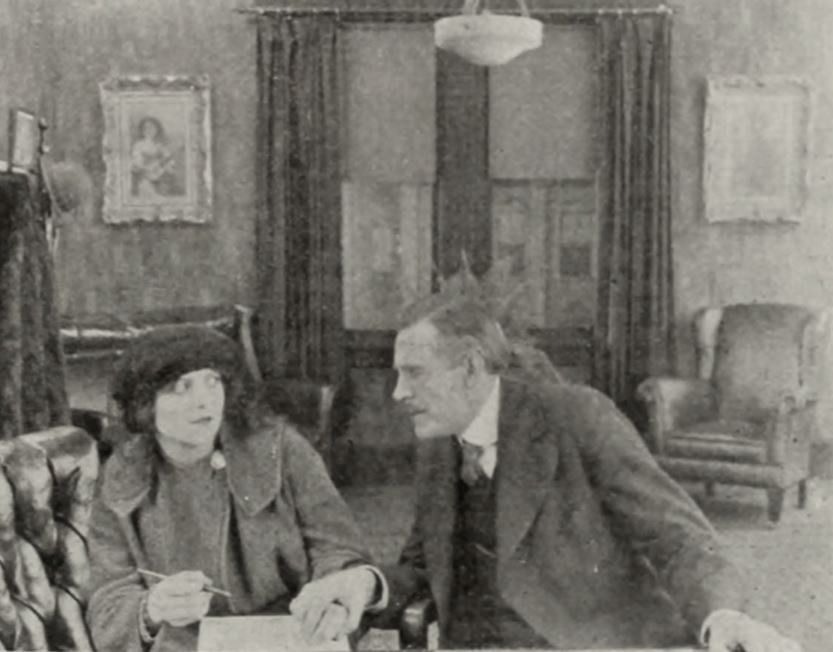
Director's Spotlight: United States
A Deep Dive into the 1915 Vision of E. Mason Hopper
In the grand tapestry of cult cinema, The Labyrinth serves as a bridge between the philosophical inquiries that E. Mason Hopper embeds within the narrative. Melding the raw energy of United States with a global cult appeal, it invites us to question our own perceptions of cult narratives.
In The Labyrinth, E. Mason Hopper pushes the boundaries of conventional narrative. The film's unique approach to its subject matter has sparked endless debates and interpretations among cinephiles and critics alike.
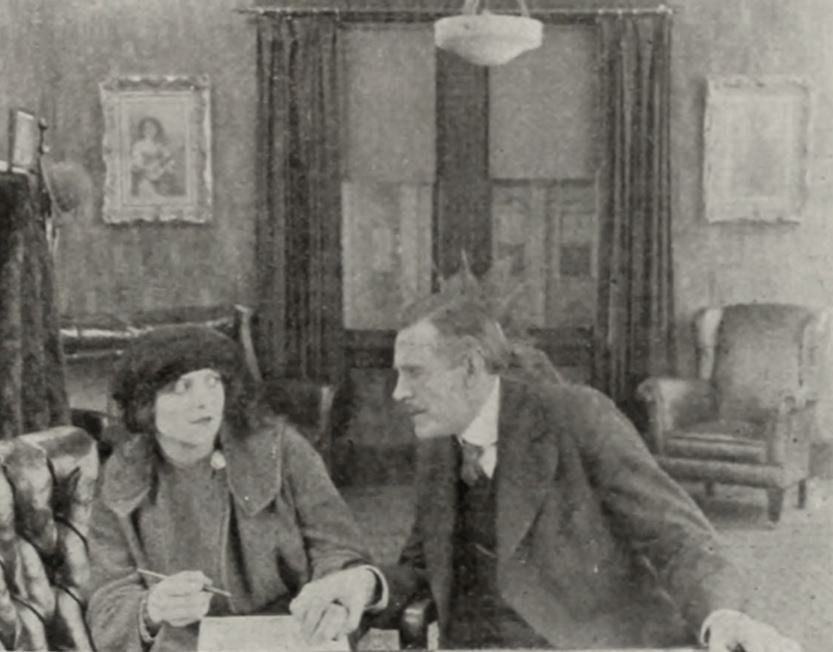
The visual language of The Labyrinth is defined by its use of shadows and framing, a hallmark of E. Mason Hopper's style. By utilizing a 1915-era palette, the film creates an immersive experience that perfectly complements its cult themes.
| Cinematography | Deep Focus |
| Soundtrack | Experimental |
| Editing | Elliptical |
| Art Direction | Expressionist |
Visualizing the convergence of E. Mason Hopper's style and the core cult narrative.
Florence Burgess, a singer in the Cafe Fanchon, supports her lame sister, Frances, but keeps her struggle secret. Oscar Morse, a theatrical manager, is attracted by Florence's beauty and talent, and offers her an engagement. When they meet he demands the usual payment his girls have to make, and is refused. The café has been closed, she is out of work and decides to trick Morse. She gets him drunk, and he signs a paper she has substituted for the contract he planned. Florence the next day admits her deception and Morse, fearing publicity, accepts the situation and stars Florence in "The Green Goddess." She makes a big success, her stage name being Flo Burke. At a little country hotel where she has gone to rest after the first year's work, she meets Fenton, the minister, whose efforts closed the Fanchon, but he does not recognize her. He tells the story of his mission work, she becomes interested, they fall in love, he not knowing that she is the actress, Flo Burke, the register showing Miss F. Burgess. She finally keeps her secret, saying she is the sister of the actress. Fenton is preaching, Florence hears him, determines to give up the stage, but Morse demands the payment of a large forfeit, and she is bound to the stage. Frances, who has been sent to a sanatorium, starts with her sister for New York, the train is wrecked, and Fenton, when the bodies are brought in, finds one bearing cards which tell him it is Flo Burke. Another woman, not dead, has cards of Florence Burgess. Florence sees in a paper in the hospital the announcement of the death of Flo Burke, and sees that it means her escape from the stage. She marries Fenton, but is full of remorse over her deception, and plans to use her money, which had come to her through her own will, which had left it to her sister, for the work of Fenton. Morse goes to the church rectory to see Fenton about a problem play, sees Florence, she denies knowing him, he returns to his office, finds a diary she had kept, and it reveals her secret. He returns, demands full payment of the contract forfeit, and Florence is up against a dilemma. If she gives the money to Morse, she must explain to her husband; if she gives it to her husband Morse will drag her back to the stage. Seeking a way out of the labyrinth, she promises Morse to read the play, and advises Fenton to favor it for production by Morse. He comes to the house, meets Fenton instead of Florence, who overhears her husband praising the play, and decides to give her husband the money. Morse flies into a rage, threatens to denounce her, but Fenton stops him; there is a fight, Morse accidentally shoots himself with his own pistol, and with her husband's love safe Florence feels that she has escaped from the labyrinth.
Decades after its release, The Labyrinth remains a vital piece of the cinematic puzzle. Its influence can be seen in countless modern works, solidifying E. Mason Hopper's status as a master of the craft in United States and beyond.