
DbcultAccessing Vault...
Director's Spotlight
Senior Film Conservator
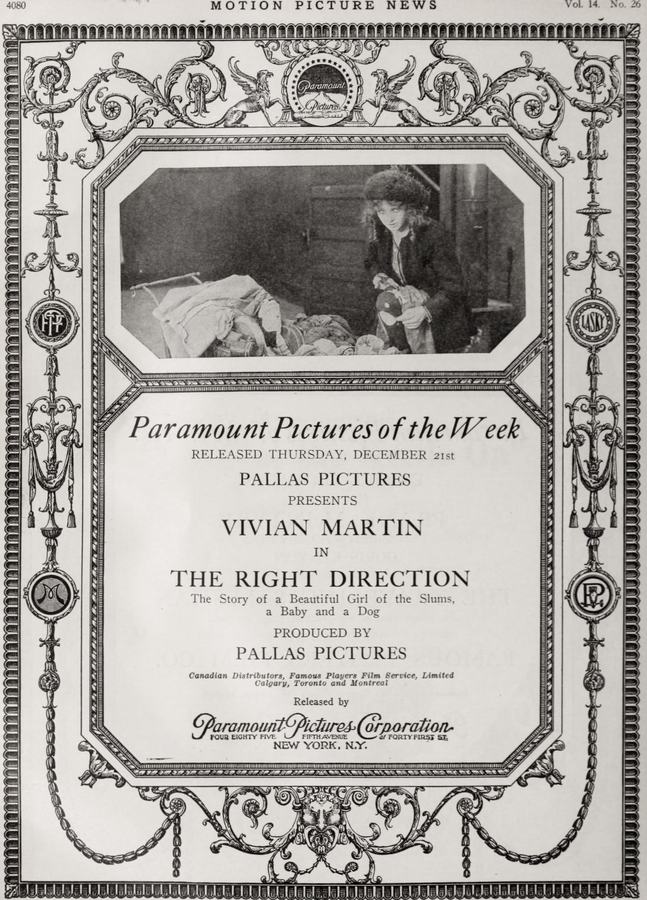
Director's Spotlight: United States
A Deep Dive into the 1916 Vision of E. Mason Hopper
Few works in United States cinema carry the same weight as The Right Direction, especially regarding the cultural zeitgeist captured so perfectly by E. Mason Hopper in 1916. Utilizing a 1916-specific aesthetic that remains timeless, it serves as a blueprint for future generations of cult directors.
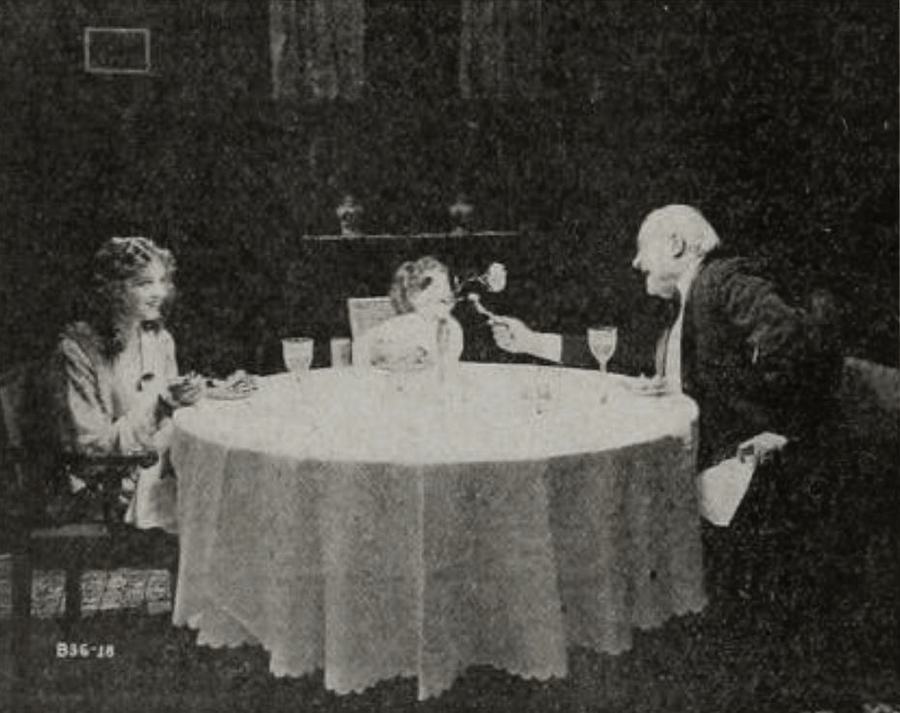
In The Right Direction, E. Mason Hopper pushes the boundaries of conventional narrative. The film's unique approach to its subject matter has sparked endless debates and interpretations among cinephiles and critics alike.
| Cinematography | Deep Focus |
| Soundtrack | Orchestral |
| Editing | Invisible |
| Art Direction | Kitsch |
Visualizing the convergence of E. Mason Hopper's style and the core cult narrative.
Young Polly Eccles is raising her sickly young brother Billy. When her doctor advises taking Billy away from their dank slum, she packs them both up and they head for California. While hitchhiking there, they are picked up by Kirk Drummond, who just happens to be driving to California himself. Upon their arrival, Kirk's wealthy father John is horrified that he has hooked up with a "lower-class" woman like Polly and does everything he can to make life miserable for her so she will leave. However, an incident occurs at the mine John's father owns that could turn out badly for all concerned.
Decades after its release, The Right Direction remains a vital piece of the cinematic puzzle. Its influence can be seen in countless modern works, solidifying E. Mason Hopper's status as a master of the craft in United States and beyond.