
DbcultAccessing Vault...
Director's Spotlight
Senior Film Conservator
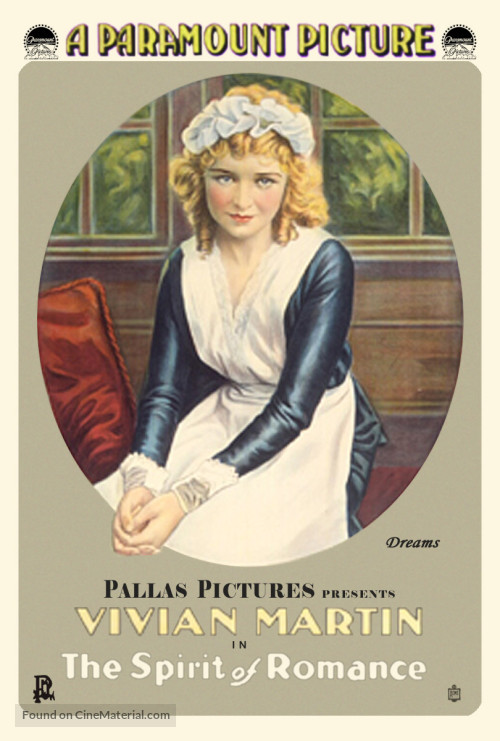
Director's Spotlight: United States
A Deep Dive into the 1917 Vision of E. Mason Hopper
Analyzing The Spirit of Romance (1917) requires a deep dive into the defining moment in cult history that E. Mason Hopper helped create. Defining a new era of United States artistic expression, it transcends regional boundaries to tell a universal story.
In The Spirit of Romance, E. Mason Hopper pushes the boundaries of conventional narrative. The film's unique approach to its subject matter has sparked endless debates and interpretations among cinephiles and critics alike.
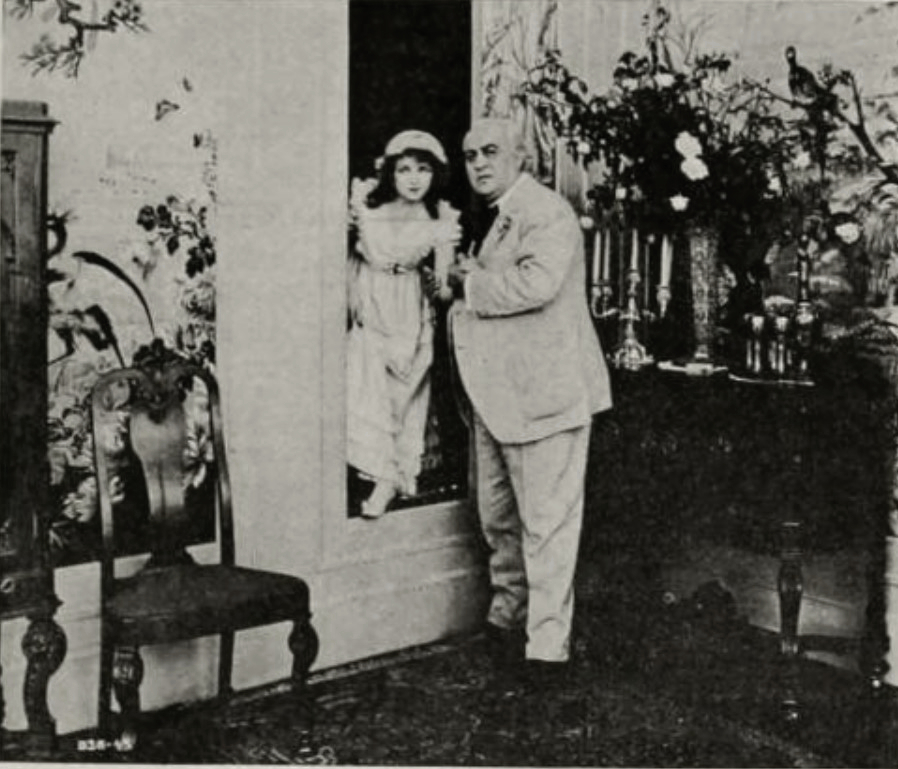
To fully appreciate The Spirit of Romance, one must consider the cinematic climate of 1917. During this period, United States was undergoing significant artistic shifts, and E. Mason Hopper was at the forefront of this cult movement, often challenging established norms.
| Cinematography | Noir-Inspired |
| Soundtrack | Diegetic |
| Editing | Elliptical |
| Art Direction | Expressionist |
Visualizing the convergence of E. Mason Hopper's style and the core cult narrative.
Abby Lou is the niece of the crabbed old antique dealer, Richard Cobb. Old Richard Cobb has a son who possesses all the qualities that his father seemingly was born without. This son, Tom Cobb, loves Abby Lou and is working on his great invention, a kettle that will not boil over. Finances are the only drawback to its successful achievement. Tom approaches wealthy old Joseph Snow for assistance but is turned down. Snow, though a hard man in money matters, in private life is also an unsuspected follower of Romance. In his home he has a secret chamber from which through the eyes of his portrait he can observe what goes on in his absence. Snow sees Abby in the antique shop and his charity offering of money to the ragged little girl is scorned. It amazes him; for the first time in his life his money is refused. It puzzles him and that night he decides on an eccentric test. The next day Abby Lou is notified that she is the heiress to deceased Snow's wealth. The lawyer takes her away to the mansion and she is surrounded by the parasitical Mrs. Rollins and her son Percival, relatives of Snow. Percival is in love with Marguerite D'Arcy but is as poor as a church mouse. Snow from his point of observation through the eves of his picture watches Abby set up Percival in business, secretly finance Tom's invention to success, reinstate his old and faithful employee Mace, and seemingly make everyone happy with his money. A new understanding of life and its meaning comes to Snow and the night of the mask ball Snow steps through the secret panel in costume, masked and apparently a guest. Then the denouement happens in a marvelously happy way and the Spirit of Romance, her mission finished, disappears forever.
Decades after its release, The Spirit of Romance remains a vital piece of the cinematic puzzle. Its influence can be seen in countless modern works, solidifying E. Mason Hopper's status as a master of the craft in United States and beyond.